
Literary Short Stories About Grief, Memory, and Quiet Towns
I keep returning to this shelf on rainy evenings, when the house is quiet and the kettle has just stopped. These are stories about small towns that carry a bell, an archive, or a quiet ritual for the dead — and about the people who come home to find that grief has a ledger, and that the ledger is open. Every piece here was chosen with the understanding that mourning is itself a kind of work, and that the work has rules.
What unites these stories
Every story in this collection treats memory as something physical: a glass orb in a tower, a name engraved on a tide-stone, a heirloom that hums when you hold it, a curiosity-shop drawer of borrowed names. The stakes are intimate rather than world-ending — a sister, a brother, a vanished neighbor, a grandmother whose cryptic instructions arrive in the post weeks too late — but the moral weight is heavy, because remembering one person almost always means letting go of another. The prose is elegiac and slow, closer to a long held breath than a chase. Fog rolls in off the harbor. A door is opened in a house no one has lived in for years. A bell is rung in a provincial tower and someone, somewhere on the other side of the country, forgets a face they once loved.
The register is domestic-gothic: not horror, but a steady ache, the kind that comes from inheritance — of property, of guilt, of an unfinished sentence. Several of these stories share the same quiet architecture: a return home, a discovery in the attic or the archive, a bargain offered by something older than the town itself, a small community that has lived with the cost for generations, and a final choice made not with triumph but with grief that has been put in order. The supernatural is real here, but it is never spectacular. It is a clerk behind a counter. It is a custom that everyone in town knows and no one writes down.
If you love these authors
Readers who treasure Kazuo Ishiguro's hushed first-person reckonings, especially the way memory thickens around what the narrator will not say, will find the same restraint here. Marilynne Robinson's Gilead sits close by, in the way letters and inheritance carry generations of unfinished love. Yiyun Li's spare grief, with its refusal of easy consolation, runs through the collection's quieter pieces. Aleksandar Hemon and Mary Oliver appear in the margins — Hemon for the way an exile's memory becomes its own country, Oliver for the attention to small natural detail (a wet leaf, a heron, a tide line at dusk) that grounds even the most uncanny passages. None of these stories are pastiche; they are blood relatives, tuned to the same chord.
Why we keep this list
We keep this collection because elegiac fiction is hard to find on the open shelf, and because readers who want it tend to want it precisely — quiet, coastal, ritual-haunted, with a real grown-up reckoning at the center, and prose that does not flinch toward easy uplift. It is one of our most re-read lists in the early evening hours, and the letters we get are almost always the same: thank you, I needed something slow, I read it the week my father died.
— Curated by ProseHub Editorial, May 2026
How to read this collection
Start with the story whose first line slows you down. Read one in a sitting, then close the tab and let the room be quiet for a while. These pieces are not built for marathons; they reward a single attentive evening, a window cracked open to the weather, and the willingness to put the book down before the last page if grief asks you to.
Stories in this list
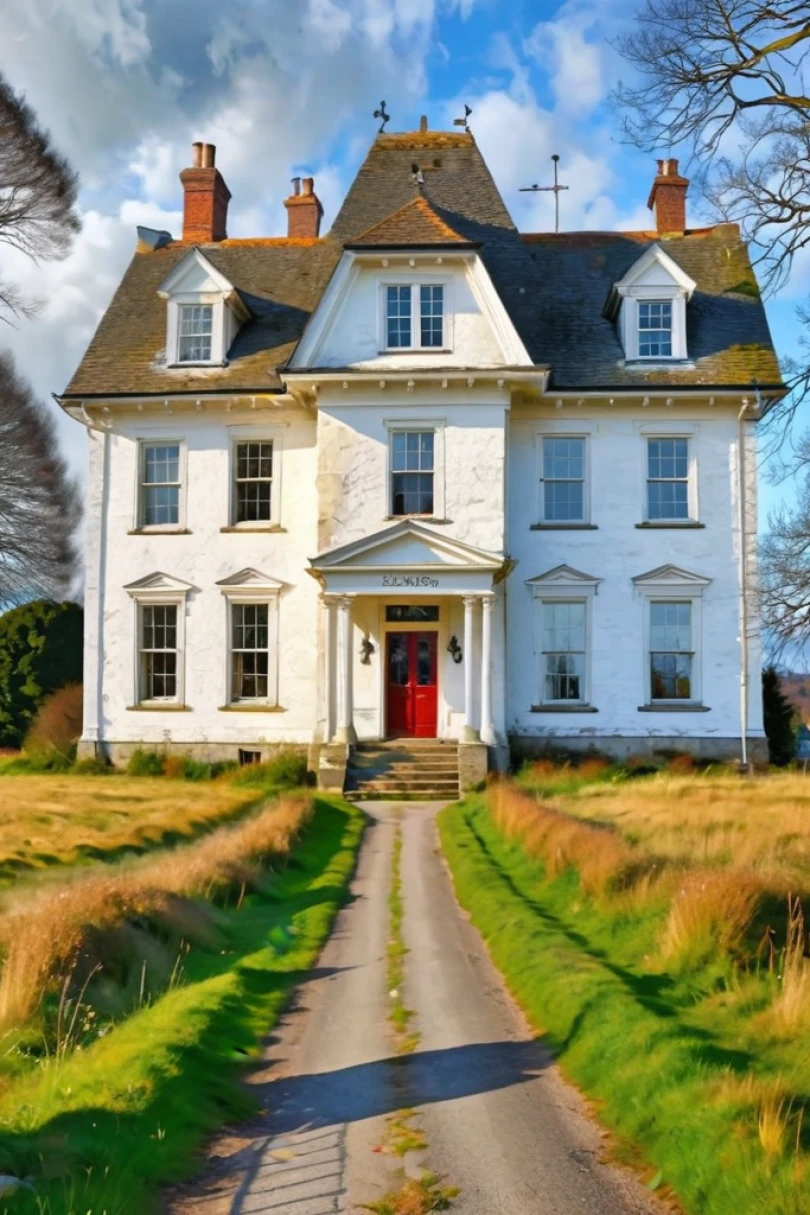
When We Keep Them
Nell returns to her mother's house to settle an estate and discovers the town’s secret: a house that can make the absent come back at the price of the living forgetting them. After uncovering records of payments made in private and bearing the town’s losses herself to starve the house, she becomes its reluctant guardian, living with a collection of other people's memories and a quiet, unsettled peace.
Horror105 min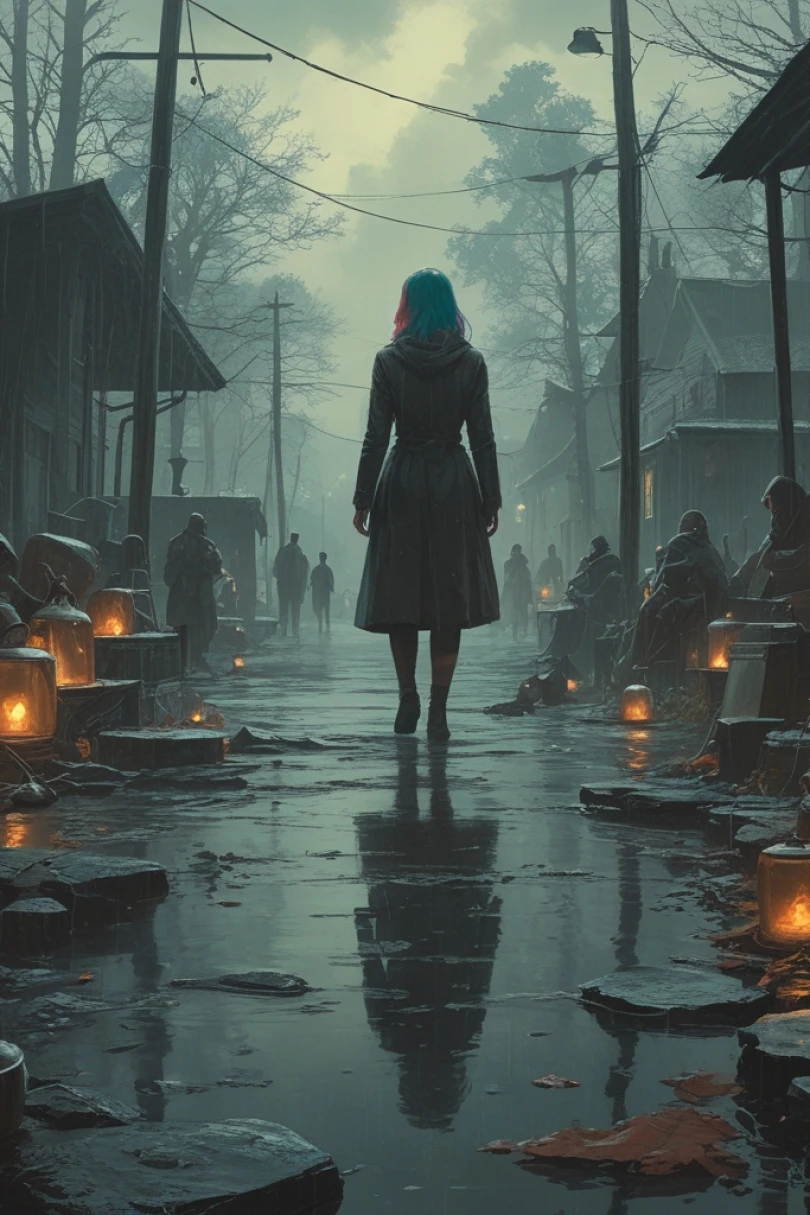
The Misfit Gallery
In a rain-washed town, a restorer discovers that objects can hold living traces of the absent. When a collector’s method to 'bring people back' proves to cost others their memories, Lena must reckon with her own past choices. The community gathers to share fragments aloud, testing whether distributed remembrance can unmake a dangerous tether and quiet the animated things in a private collection.
Supernatural79 min
The Ninth Bell
Evelyn returns to reclaim her missing brother from a town that stores painful memories in glass orbs inside a bell tower. When retrieving Theo demands the cost of an origin memory, she must decide how much of herself she will trade to restore him. The town’s civic machinery and a reluctant keeper complicate the rescue, forcing Evelyn toward a choice that reshapes both her identity and the tower that holds the town’s past.
Supernatural42 min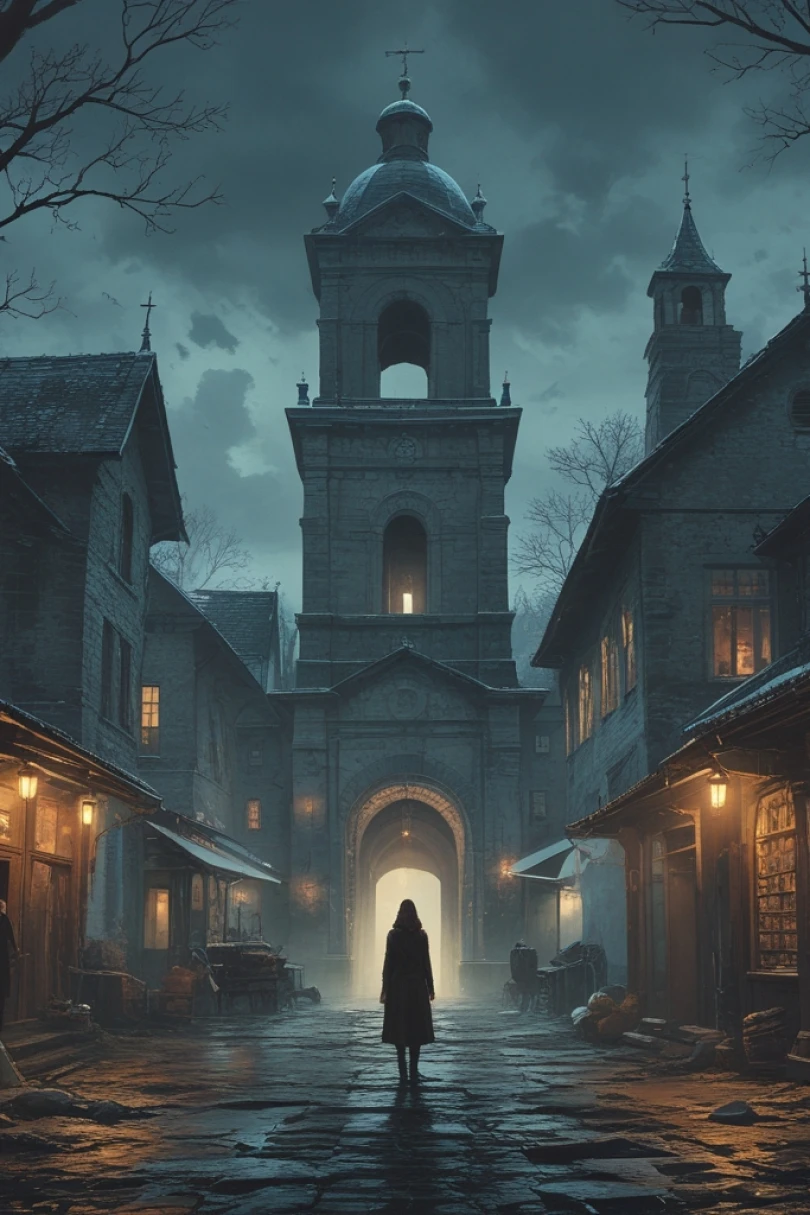
The Bell of Forgotten Names
A provincial town’s bell once closed endings; when someone tampers with its records, fragments of the departed begin returning, feeding on memory. Archivist Arina Volkov returns home to investigate scraping clues, a shopkeeper’s stash and a woman who won’t let grief be final. As hunger widens, the town must restore ritual, convene witnesses, and make unbearable choices. Arina’s search for truth becomes a series of moral reckonings that culminate at the tower where one last honest sentence risks more loss than she anticipates.
Supernatural118 min
A Small Unmaking
Evelyn Hart returns to her coastal hometown when her brother Jonah vanishes into a strange hollow at the creek. As she trades private memories to bring him back, she discovers the hollow demands more than incidents—it eats reasons and names. To save her brother she must enter the place that consumes secrets and decide how much of herself she can afford to lose.
Supernatural68 min
The Tollkeeper
Iris Calder comes home for her grandmother's funeral and inherits the bell rope. The town's bell trades memories for calm water: pull it, and somewhere a neighbor forgets. When her missing brother's name turns up on a token wedged in the bell's yoke, Iris has to learn who put it there and what it cost.
Supernatural87 min
Things That Remember
In a small town, a curiosity shop holds fragments of people's lives. When memories begin to vanish and a child's name slips away, Evelyn Hart must follow her grandmother's cryptic instructions and make an impossible choice: offer up her most private memory to stabilize the town's shared past or let the community's recognition unravel.
Supernatural78 min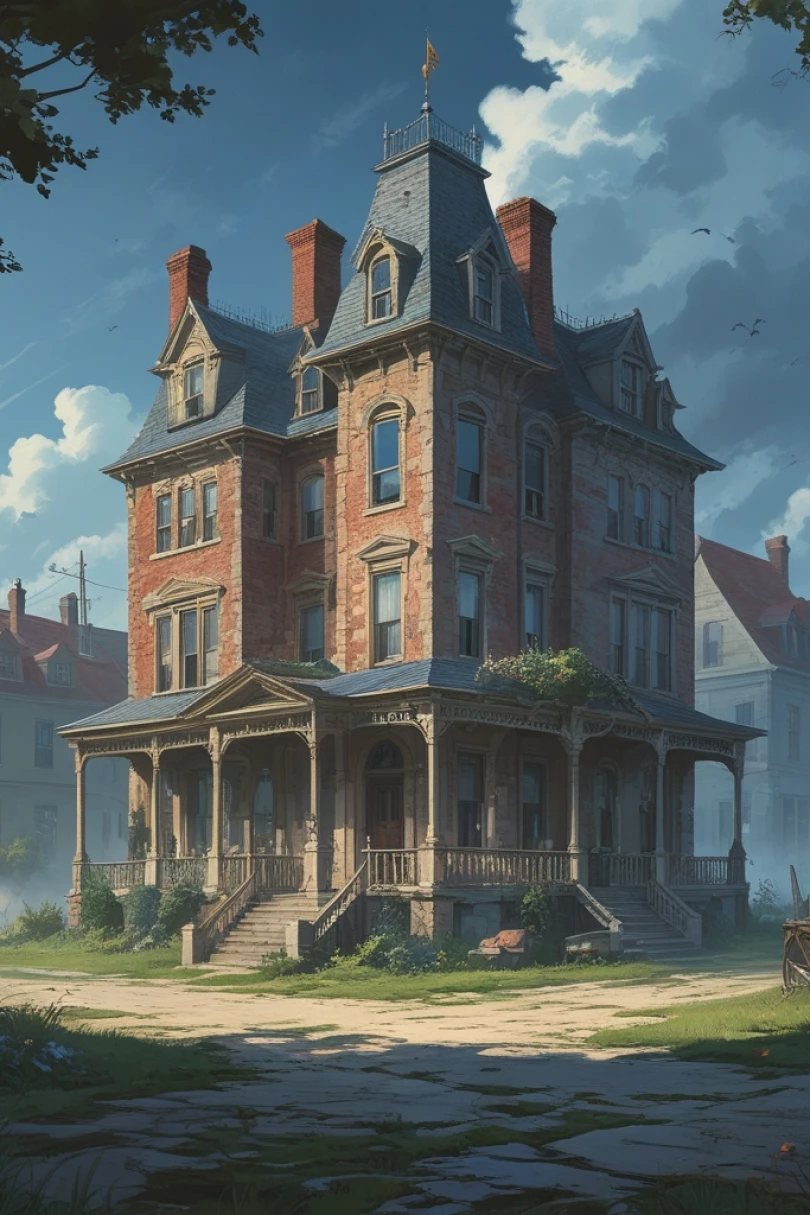
Barter of Names
A coastal town’s Remembrance House offers brief returns from the dead at the cost of living memory. Mara, an apprentice haunted by her missing brother, trades for Finn and watches the city pay in vanishing knowledge. When the House’s appetite spirals, she volunteers a final, impossible sacrifice to stop it.
Supernatural89 min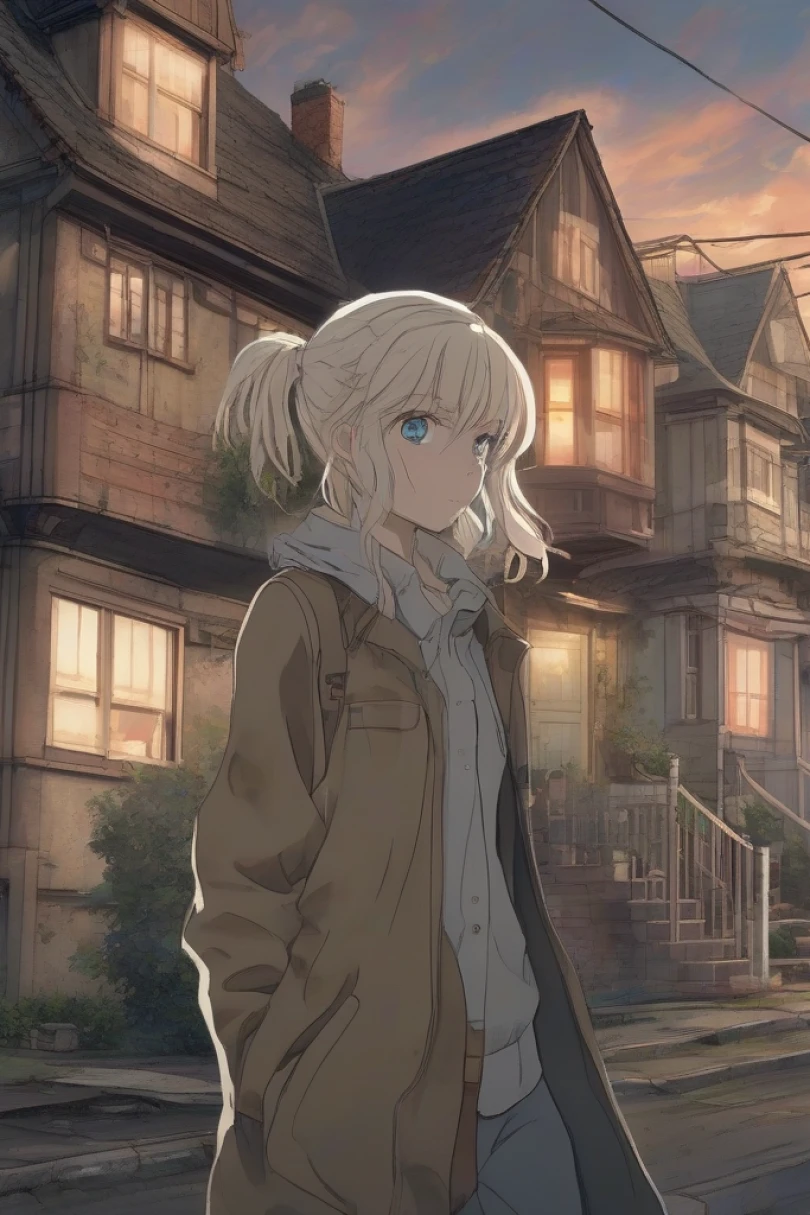
House of Unclaimed Things
In a town where a shifting room steals pieces of life, Elin Voss returns after her brother vanishes. As memories and names slip away from neighbors, Elin uncovers her family’s role in answering the house’s calls and faces a deadline: either allow demolition to provoke worse loss or offer herself to stop the taking.
Supernatural56 min
The Vowkeeper
In a small town that traded private favors for vanished parts of its past, a nurse named Nora returns to find her brother restored and altered. She joins elders and the sheriff in making promises public to draw the cost of those bargains into daylight, and faces a personal sacrifice that reshapes memory and duty.
Supernatural73 min
The Night's Bargain
Harrowfield keeps itself safe by striking one name from the record and letting the marsh keep the person. Months after she comes home for her mother's funeral and finds her brother missing from the family portrait, Naomi Hale is running the practice that replaced the old bargain: a bell, stamped tokens, and neighbours who say the missing out loud.
Supernatural146 min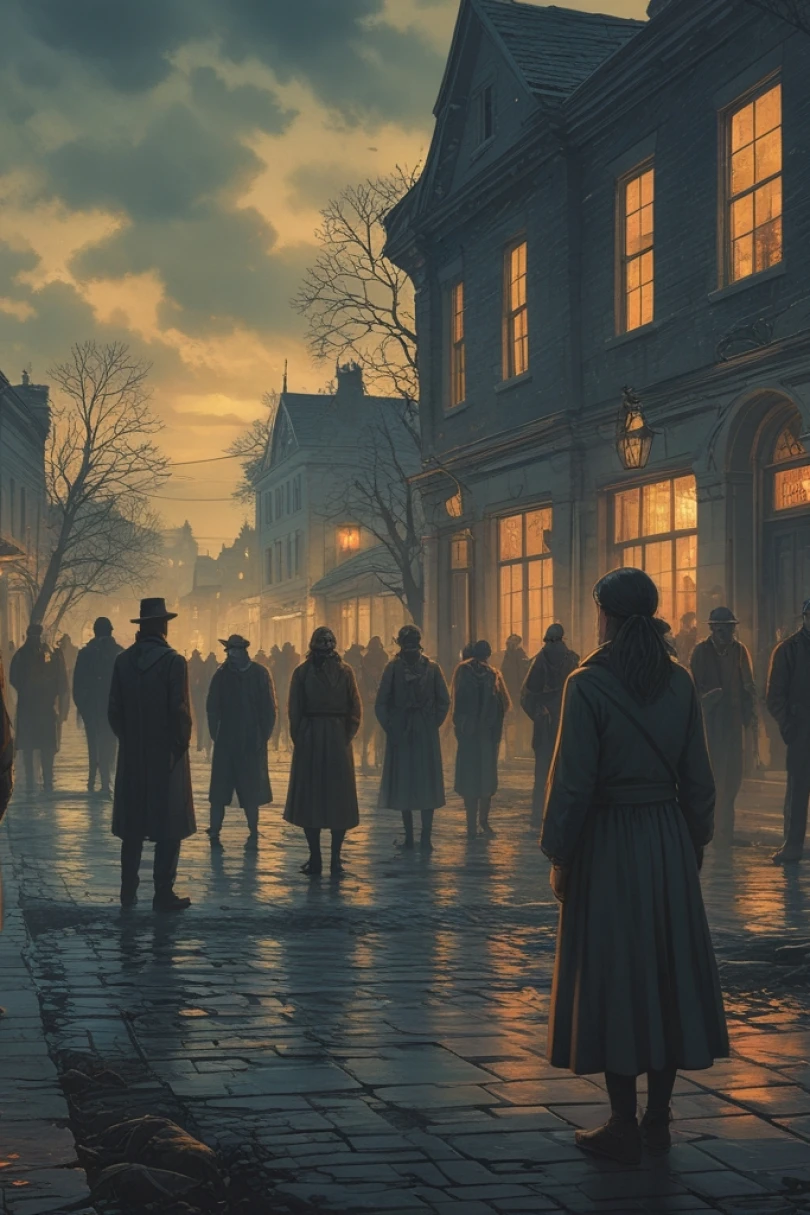
The House of Waning Names
In a small town where names begin to vanish, a meticulous records clerk confronts a presence that collects identities. As a public ritual clashes with an old, binding economy, she must reveal a secret bargain and decide what to surrender to bring back what was lost. Atmosphere: dusk-lit squares, whispering jars, and civic gatherings on the edge of eerie quiet.
Supernatural48 min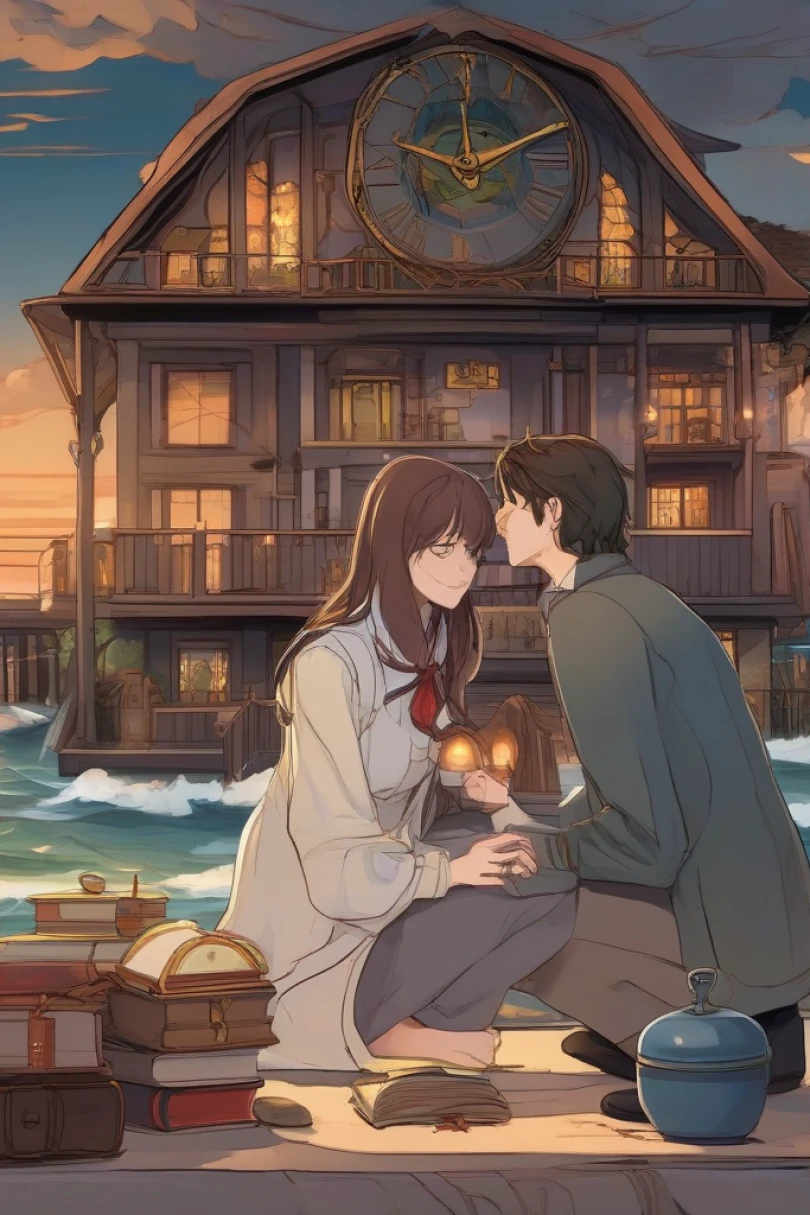
Beneath the Ninth Bell
On a coastal town’s edge, a silent bell once traded returns of the lost for the memories of the living. Evelyn, a clocksmith, sacrifices a beloved recollection to stop its appetite. The aftermath unfolds in quiet domestic rituals, reluctant gratitude, and a reshaping of communal life as ordinary objects and repeated stories attempt to hold what the bell could not keep.
Supernatural76 min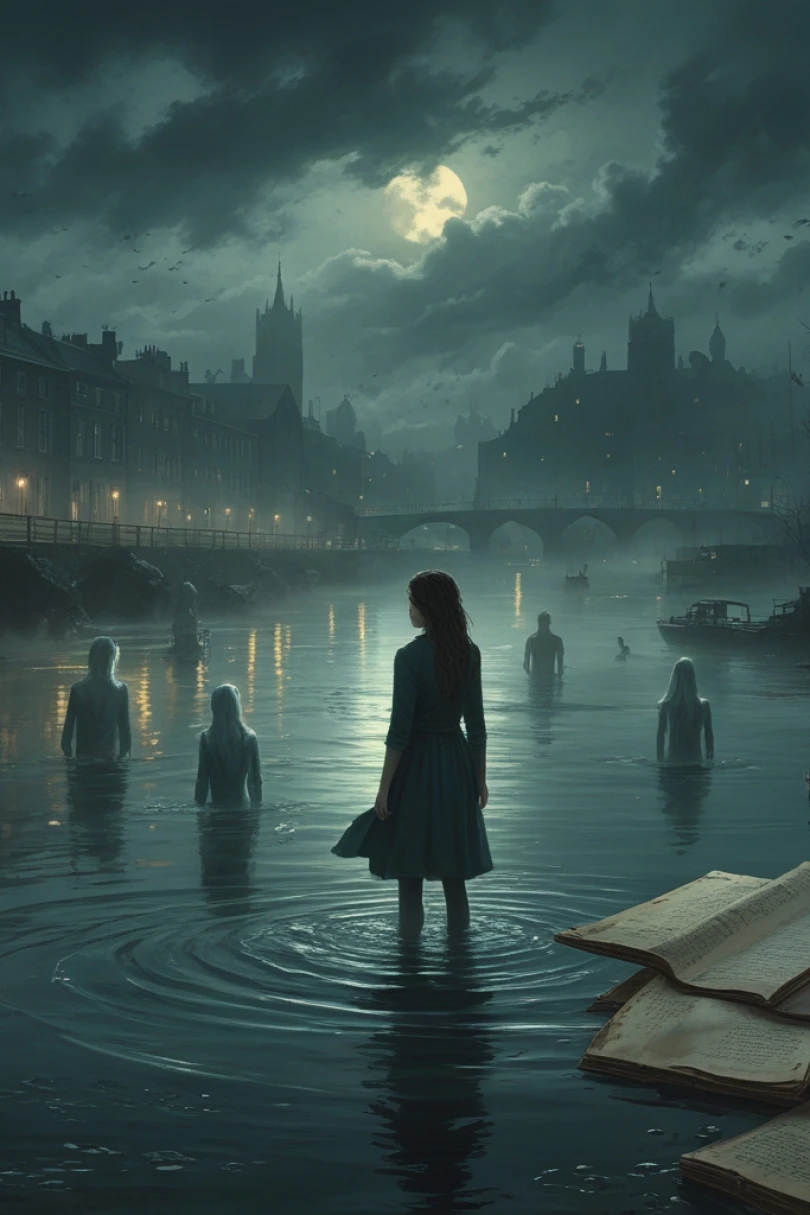
The Harvest of Echoes
Fog coats a small riverside town where a reservoir keeps more than water. Nora Finch, who hears trapped voices, uncovers a municipal ledger that recorded a century of traded lives. To return the missing she must offer memory itself—risking the one thing that kept her sister alive in her mind.
Supernatural52 min
House of Aftermarks
In a small town where memories gather in objects, Mara becomes the chosen Anchor—taking on shared recollections to stop a private collector from erasing lives. As public rules and quiet rituals reshape custody, she learns to carry community grief, rebuild ties, and face the cost of holding what others cannot.
Supernatural156 min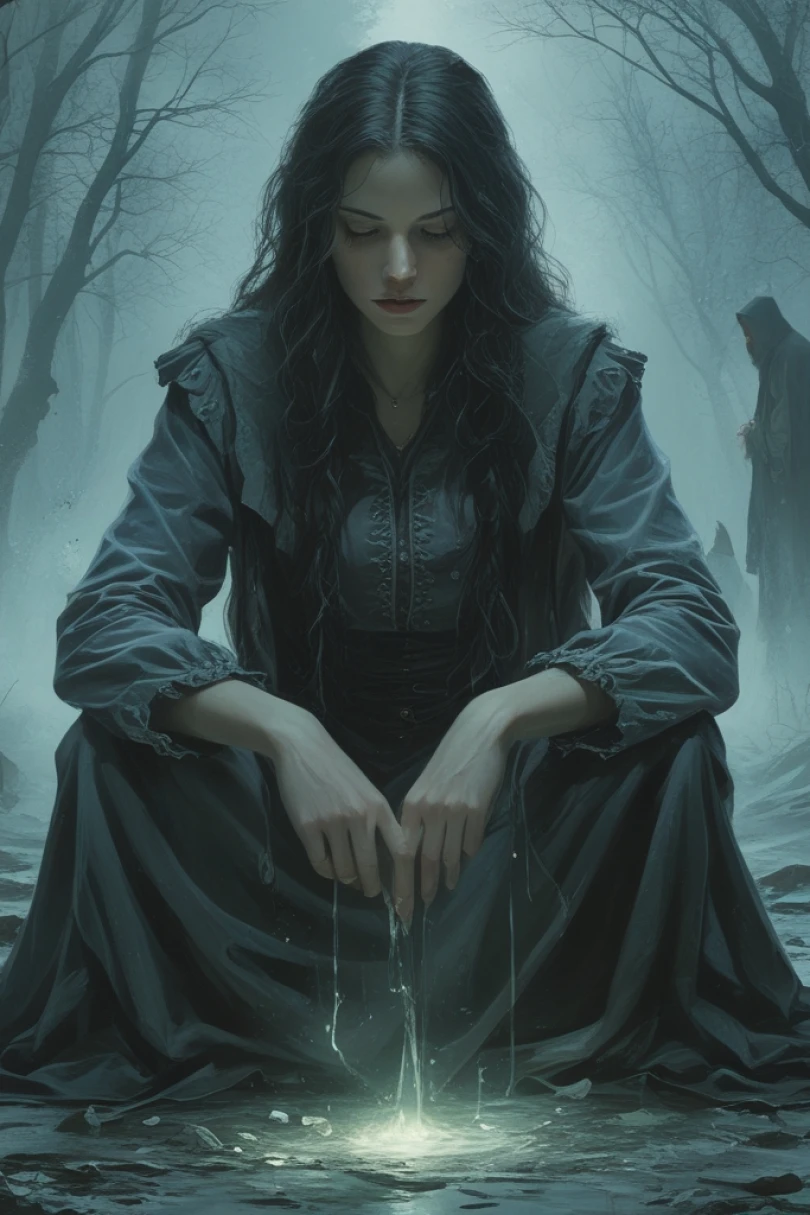
The Ledger of Lost Names
Returning to settle her mother's estate, archivist Mara Cole finds her sister missing from every photograph and municipal ledger. In fogbound Evershade an ancient Ledger devours names and a secret Keepers' order defends oblivion. To restore memory, someone must willingly vanish.
Supernatural28 min
When the Days Slip
After a perilous ritual steadies a town built on traded-away days, June Morrow navigates what returns and what is lost. She builds a public archive, mediates the painful consequences of recovered memory, and learns to keep a life alive through telling. A sealed vessel hums on her mantel; a blank, familiar scrap suggests another, unintended pledge.
Supernatural82 min
Where the Bell Falls Silent
A woman returns to her native village for her mother's funeral and finds the central bell — once a protector — has fallen silent and begun to take people's memories. As small forgettings widen into loss, she uncovers an old, secret ledger of bargains and faces a public choice: allow the slow erosion or accept a binding that will cost someone dearly. The village convenes, tests rituals, and finally confronts the ledger's legacy as they seek a way to keep the boundary between worlds without hidden sacrifice.
Supernatural73 min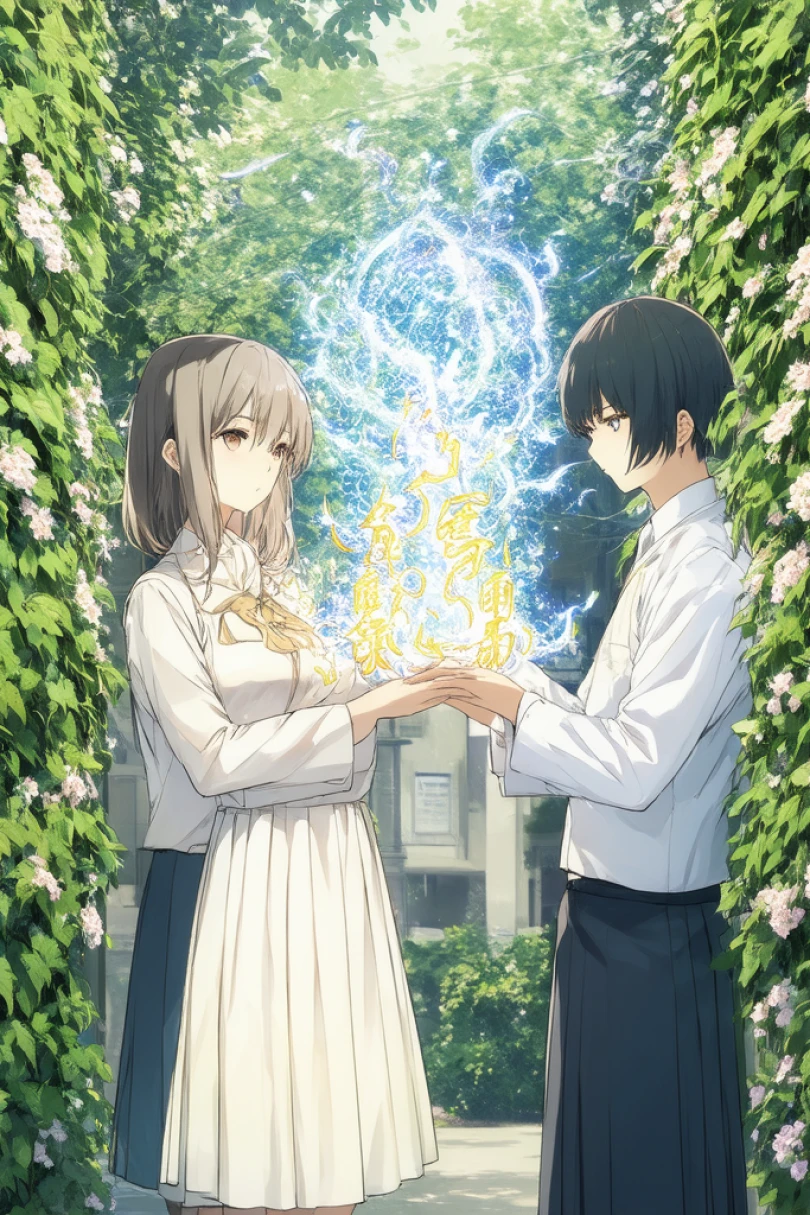
The Hushed Garden
The Hushed Garden completes its arc as Celia organizes a communal ritual to change the hedge’s function from thief to witness. Memories are reclaimed, Jonah’s power collapses, and the town rebuilds rules for consent. Reunions are partial; the work of remembering begins.
Supernatural60 min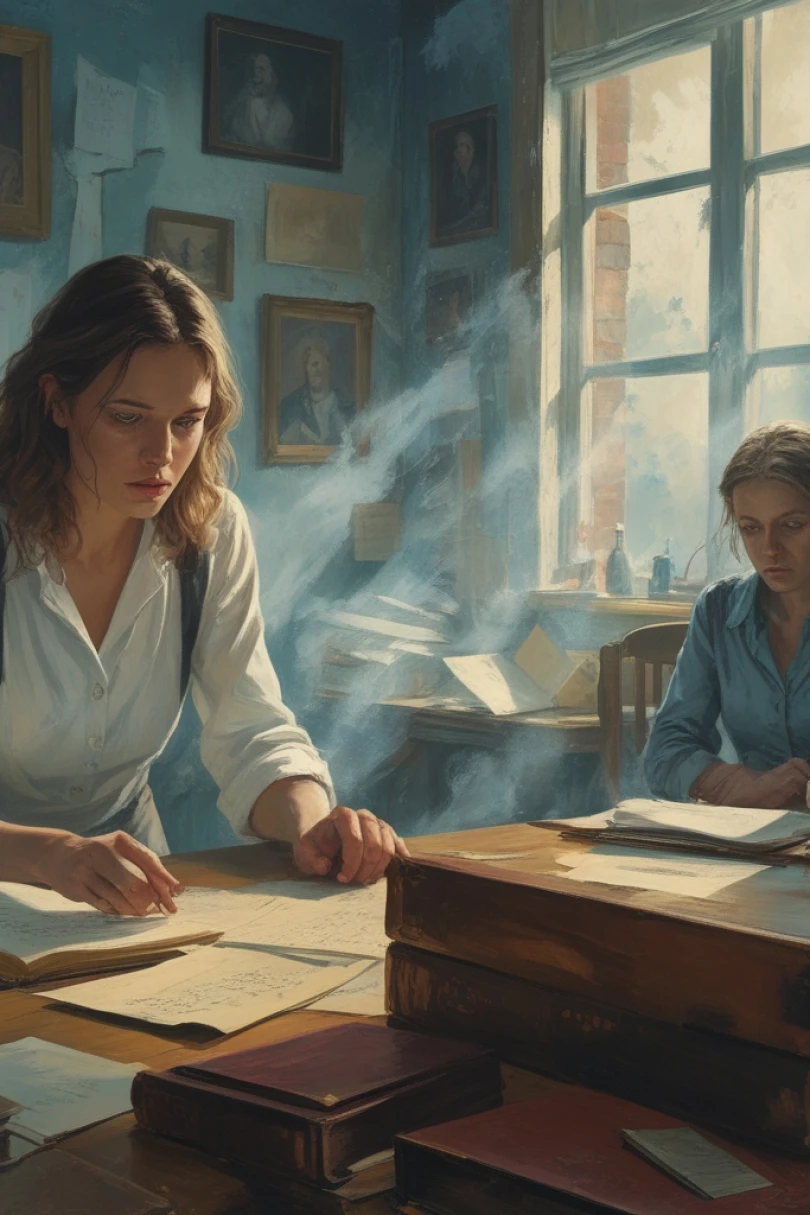
Things Left Unnamed
An archivist returns to her coastal hometown for her mother's funeral and finds that names are being taken from paper and memory. As blanks appear in photographs and records, she uncovers a deliberate pattern of erasure and a personal link that forces her to decide how much she will keep in order to save others.
Horror76 min
The Undertide
A coastal town confronts a tide that returns people at the cost of pieces of memory. When Evelyn’s brother Jonah becomes a composite of others’ lives, the community gathers at a hollow in the rock to offer anchors, tell their stories, and face a final ritual that will demand a living conduit.
Supernatural76 min
Unclaimed Hours
Evelyn Hart repairs watches in a town that has begun to lose hours — an afternoon gone from a schoolteacher's week, a night missing from a cafe worker's. The silver watch her mother posts to her runs backward and works small stamped tags out of its seams: KEEP, HOLD, STAY. Following them, Evelyn finds the room where the town's missing hours are shelved in glass, and what it costs to hold them steady.
Supernatural76 min
What the Tide Keeps
After the binding, Cresswell rebuilds itself around a new, uneasy order: Evelyn becomes the living repository for the town’s returned memories, feeling others’ loves and losses as moods but losing the precise facts of a life. The sea’s presence eases but never fully leaves. The community adapts with storytelling nights, legal drafts, and apprenticeships; outsiders probe, some leave, some stay. As grief reshapes into public practice, old friendships are tested and new intimacies form. Evelyn learns to carry what others cannot without the comfort of remembering why, and the town negotiates what it owes and what it will ask of itself next.
Supernatural77 min
Harbor of Hollow Echoes
In coastal Greyhaven, Nora Hale, an archivist haunted by her drowned brother’s reappearance as an Echo, uncovers a ledger that treats memory as currency. When the town’s recovered dead cost living recollections, Nora faces a sacrifice that will restore the community at the price of her most intimate memory.
Supernatural41 min
The Seventh Oath
On a rain‑washed night, Elena accepts a measured bargain to restore her injured sibling. The pact binds a ledgerlike force that exacts equivalence by taking small, interior shapes of identity. As she becomes the town’s willing vessel, the supernatural calm returns — and a personal map of memories fades into quiet, domestic rituals.
Supernatural51 min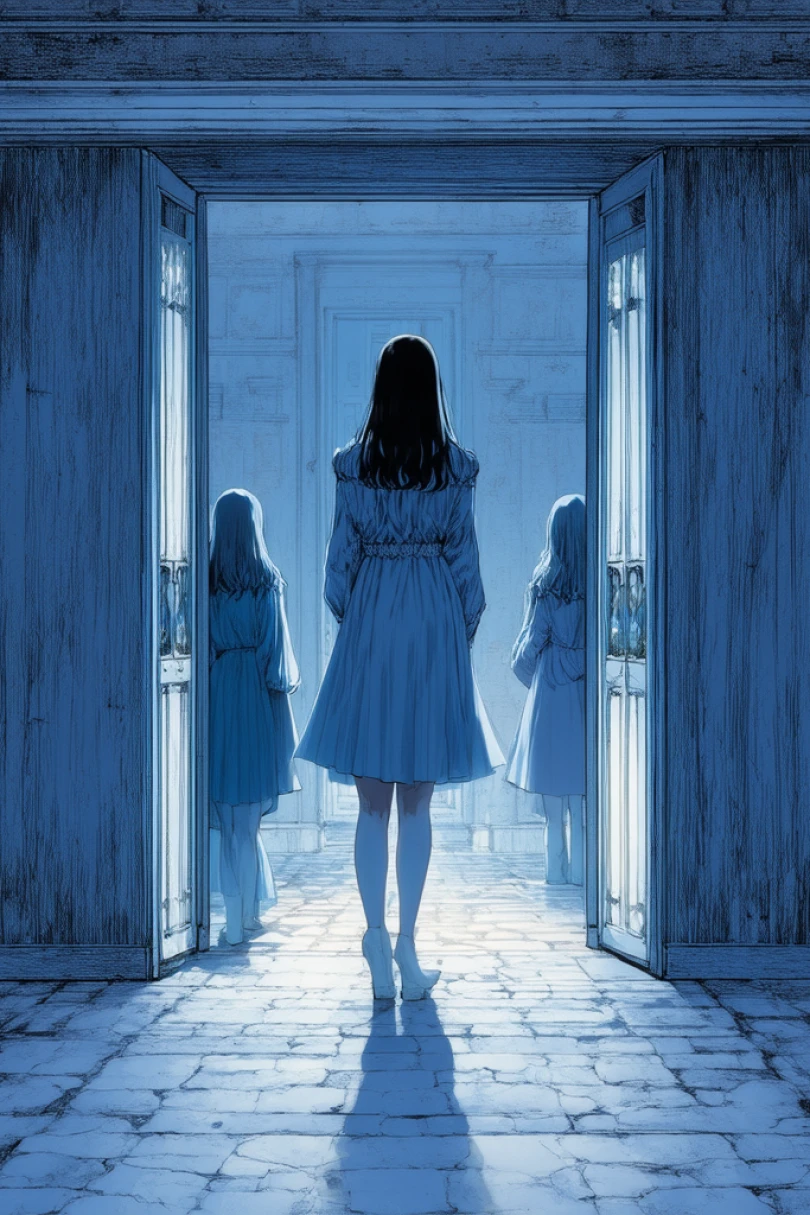
The Unmade House
A small-town restorer returns to find her brother folded into a house that shapes unwanted possibilities into living things. As the house’s appetite grows, she must choose between reclaiming a person and preserving the community’s memories. The closing bargain is intimate, costly, and irreversible.
Supernatural74 min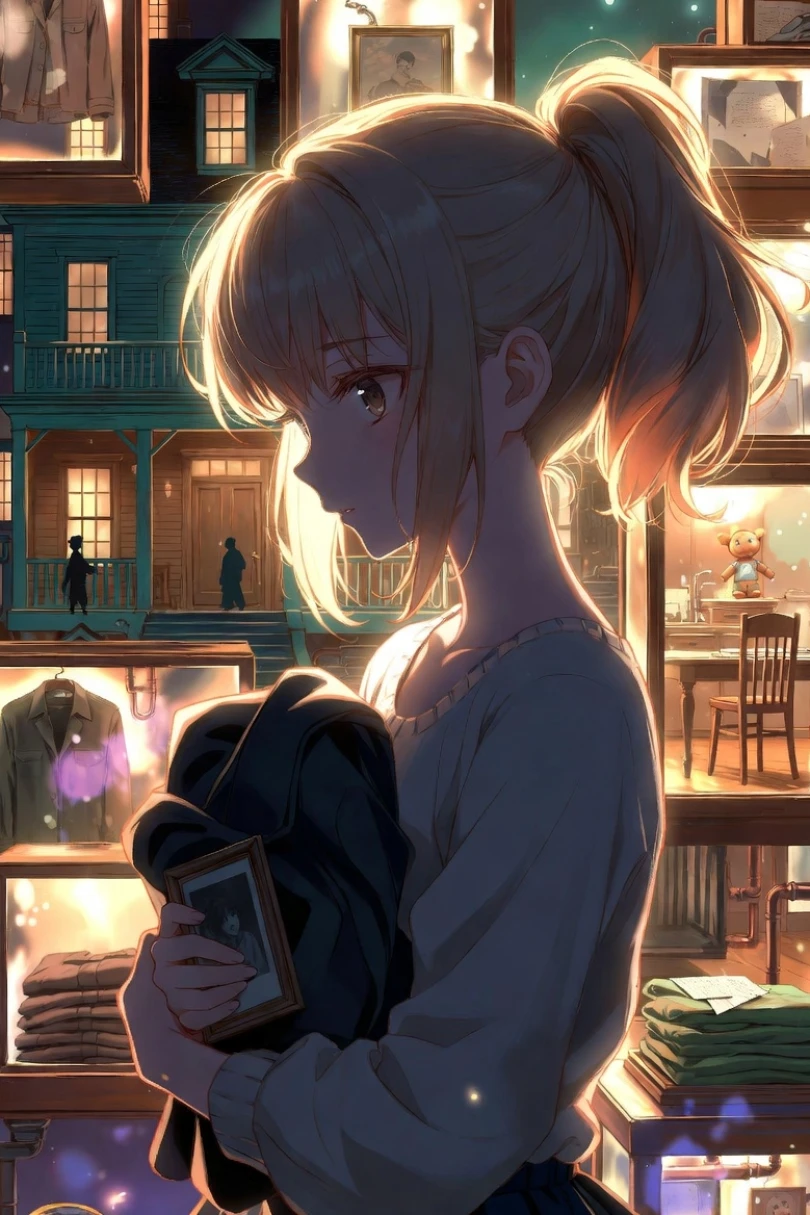
The Hollowing
Clara Voss comes home for her mother's burial and finds her brother Noah gone and a carved splinter under his bed: We kept him here. The centerhouse on the green keeps other people's lives behind glass, and the machine under its floor gives back what it holds only in trade — a memory for a person.
Horror104 min
Shadows of Wren Street
Nora returns to her aunt’s house to settle an estate and discovers a house that collects small, precise losses of memory. As jars and ledgered remnants surface, the community confronts a failing chest that demands a living anchor. Tension rises as memories return while something in the corners hungers.
Horror44 min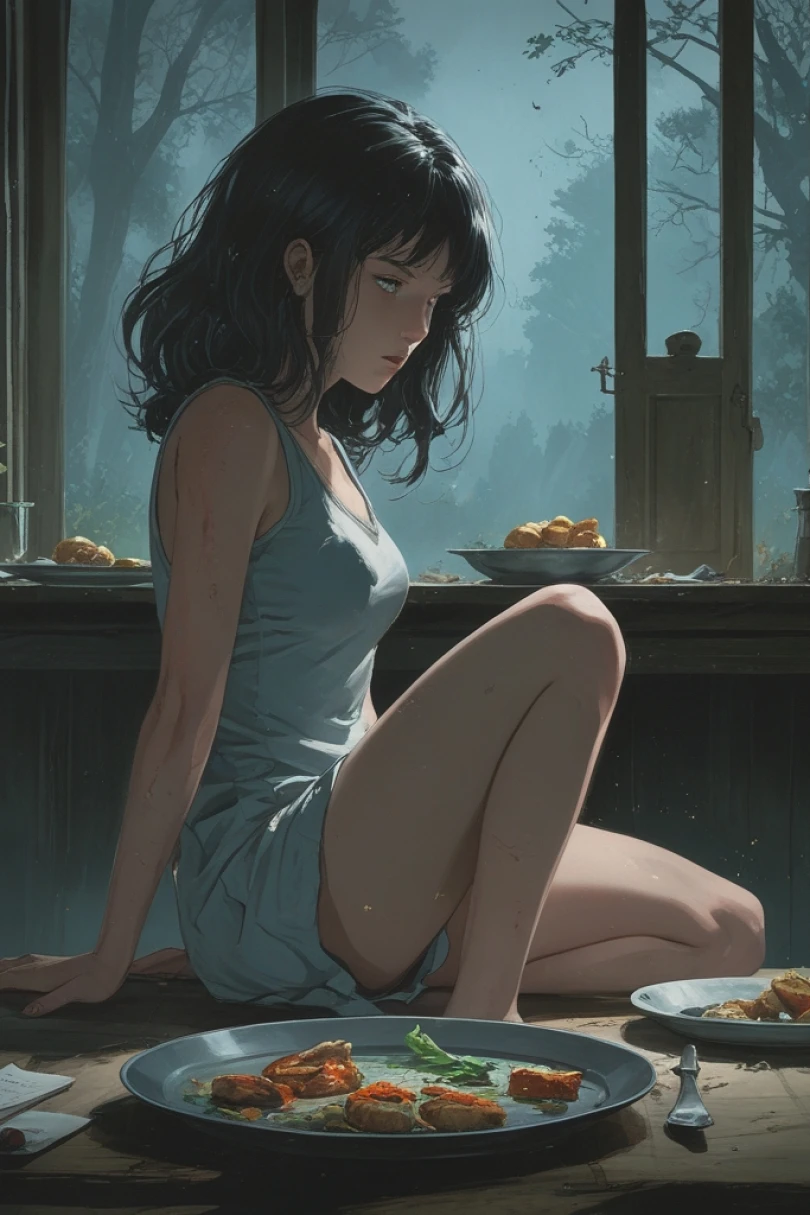
Registry of Absences
Months after crisis, Mara lives as the town’s living registry—tending trays, speaking names, and keeping a fragile civic balance. The municipal reforms have steadied public record, but small erasures persist; Mara’s own private memories have thinned. The final chapter follows her vigil as the town adapts to a new, uneasy normal.
Horror200 min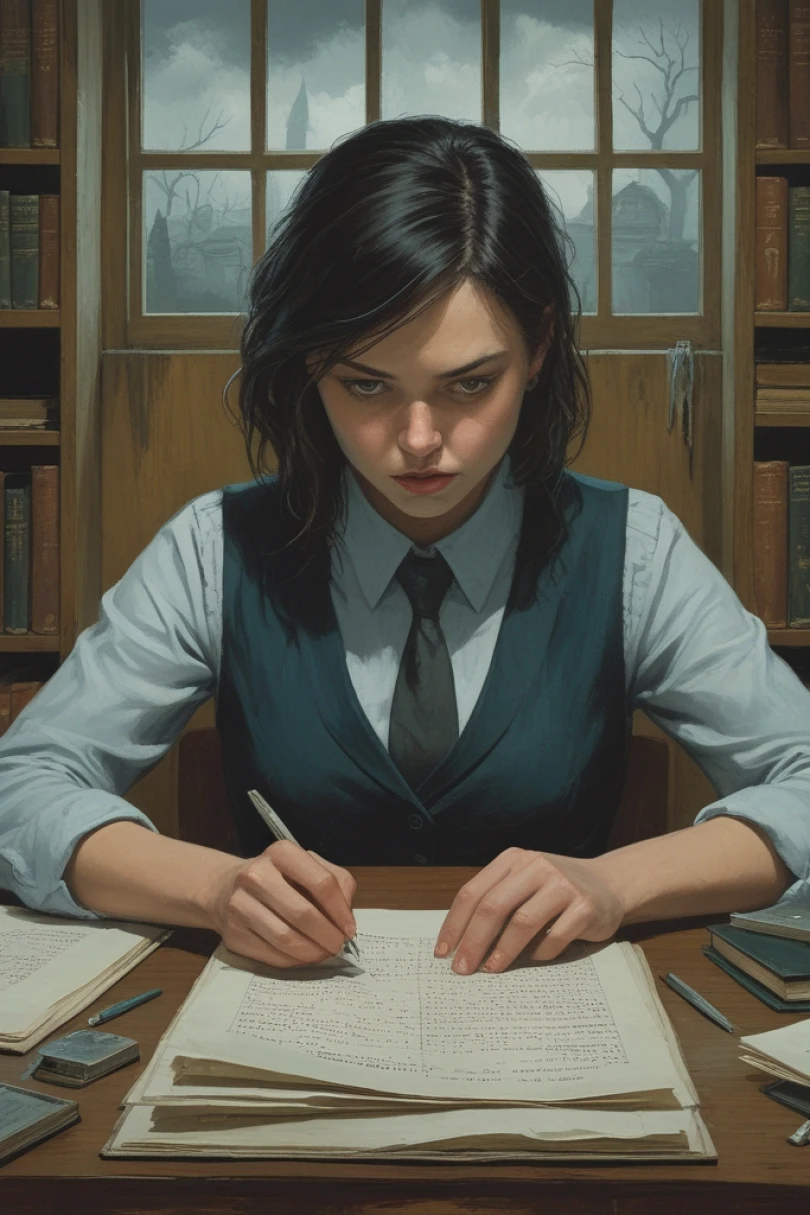
The Registry
In a town where civic papers anchor reality, records clerk Mara Lyle finds her sister’s file erased and memories fading. She uncovers an Index that trades names like currency. Determined to restore Liza, Mara confronts a ledger that balances existence with ruthless arithmetic.
Horror28 min
The Ninth Toll
Ava discovers her father’s note demanding a sacrifice to stop a bell that erases people. Confronting the stitched book’s rules, she chooses to answer so her daughter will remember. The town steadies as absences halt, while one witness keeps a stubborn, private memory alive.
Horror39 min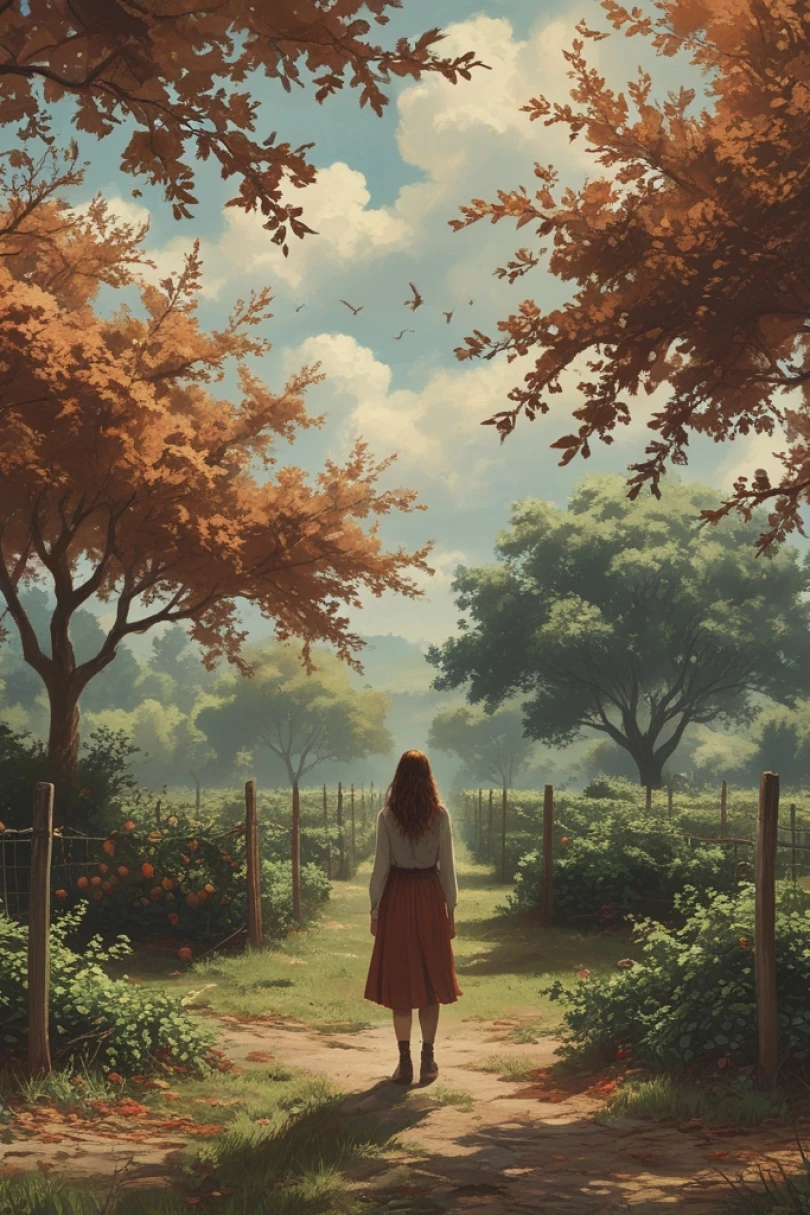
The Orchard of Borrowed Voices
Evie Hart returns to her coastal hometown for her brother's funeral and discovers an orchard that speaks with the dead. Its fruit replay lost voices, but every listening exacts pieces of memory. Confronting guilt and a town hungry for closure, Evie faces a terrible bargain.
Supernatural43 min
See also
- Dark Short Stories About Hollow Bells and Stolen Voices15 stories
- Bedtime Short Stories About Hush-Songs, Moonbeams, and Night Gardens23 stories
- If You Love Le Guin: Fantasy Stories of Vows30 stories
- Brass and Conscience: Ethical Steampunk Inventors20 stories
- Literary Short Stories About Elevator Mechanics and Buildings17 stories