
Dark Short Stories About Hollow Bells and Stolen Voices
Mara Voss climbs down into the underquay vaults of Fenport with a brine-stained ledger and a borrowed lantern, hunting the jar that holds her brother's stolen voice. These are dark folk-horror stories of salt-marsh cities, hollow bells, and apprentice bellwrights who barter with quiet markets to bring missing speech back home.
What unites these stories
Every tale in this collection is set in a fog-bound estuary town, Fenport, Saltreach, Gharrow, Harrowsend, Brinefen, where bells do real metaphysical work. They hold names. They hold tides. They hold the appetite of something old that lives just under the waterline. Protagonists are usually apprentices: bellcraft apprentices, bellwrights, mortuary assistants, cane-makers, archivist-scribes. They are young, between eighteen and thirty-five, and they have one missing sibling apiece. Tone is gothic but precise. The horror is articulate, a Gallery that sequesters identities, a Curator who collects voices in glass, a seam in the city that hoards what people refused to say aloud. Resolution is never clean. Every rescue costs a name, a memory, a tooth, or a year. The collection sits on the shelf marked dark fantasy and stays there with the lamp turned low.
The estuary towns are mapped with the patience of a gazetteer. Every story names its quay, its bell-tower, its underquay vault, its half-remembered patron saint of brine. Apprentices learn their craft the slow way: a year on the bellows, a year on the moulds, a year on the rope. The horror always arrives through the trade — a misrung peal, a jar in the wrong cabinet, an inscription read aloud by someone too young to know the cost. Because the apprentices know their work, the reader feels the wrong-ness of each transgression in the muscles. That craft fluency is the difference between folk horror that frightens and folk horror that haunts.## If you love these authors
Angela Carter's The Bloody Chamber is the obvious ancestor: rich, jewelled prose around terrible bargains. Aimee Bender, especially in The Particular Sadness of Lemon Cake, gives the same matter-of-fact handling of impossible inheritances. Helen Oyeyemi's White Is for Witching shares the appetite for haunted civic architecture. Carmen Maria Machado's Her Body and Other Parties teaches the exact pitch at which a woman's missing voice becomes a horror device. Karen Russell's Vampires in the Lemon Grove and Kelly Link's Get in Trouble round out the shelf: weird, salty, slightly funny, never safe.
Why we keep this list
We keep this list because folk horror, done well, is grief with weather. Every bell in this collection is a sibling someone refuses to give up on, and that refusal is the engine. We will not tire of it. — Curated by ProseHub Editorial, May 2026
How to read this collection
Best read in daylight, two at a time. The cities rhyme on purpose, so the second story should feel like the same coastline seen from a different pier. Keep something warm to drink within reach.
Stories in this list
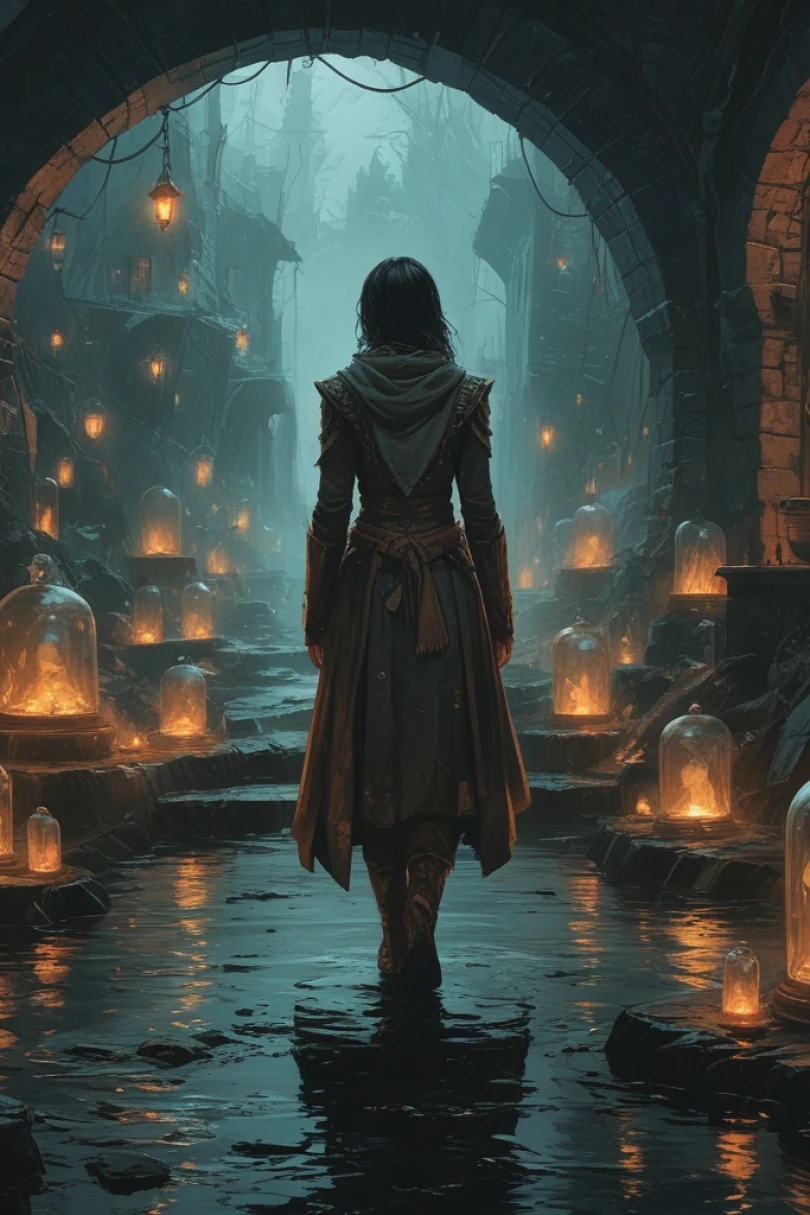
The Hollow Bell
In the marshbound city of Fenport, silence steals what people say. Mara Voss, a bellcraft apprentice, dives into underquay vaults where voices are kept in jars. To reclaim her brother's speech she bargains with dangerous keepers and pays a price in memory. A dark tale of sacrifice, barter, and the cost of restoring what was taken.
Dark Fantasy37 min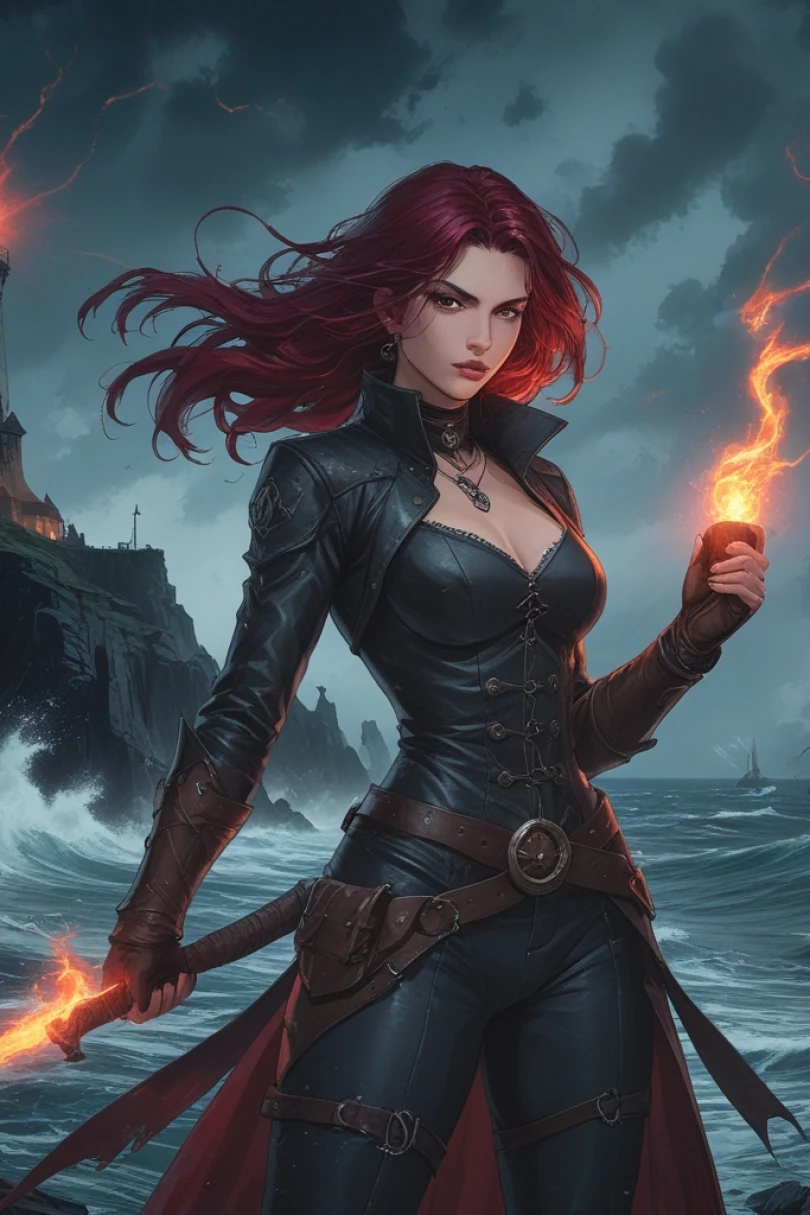
Hollow Bells Under Brine
In the salt-lashed city of Saltreach, cane-maker Yorren Vale breaks a forbidden stillness to hunt his missing sister’s voice beneath the cliffs. With a lighthouse keeper’s sea-fire lantern and a stormwood nail, he confronts a guildmaster who feeds storms with stolen voices—then remakes the city’s song.
Dark Fantasy38 min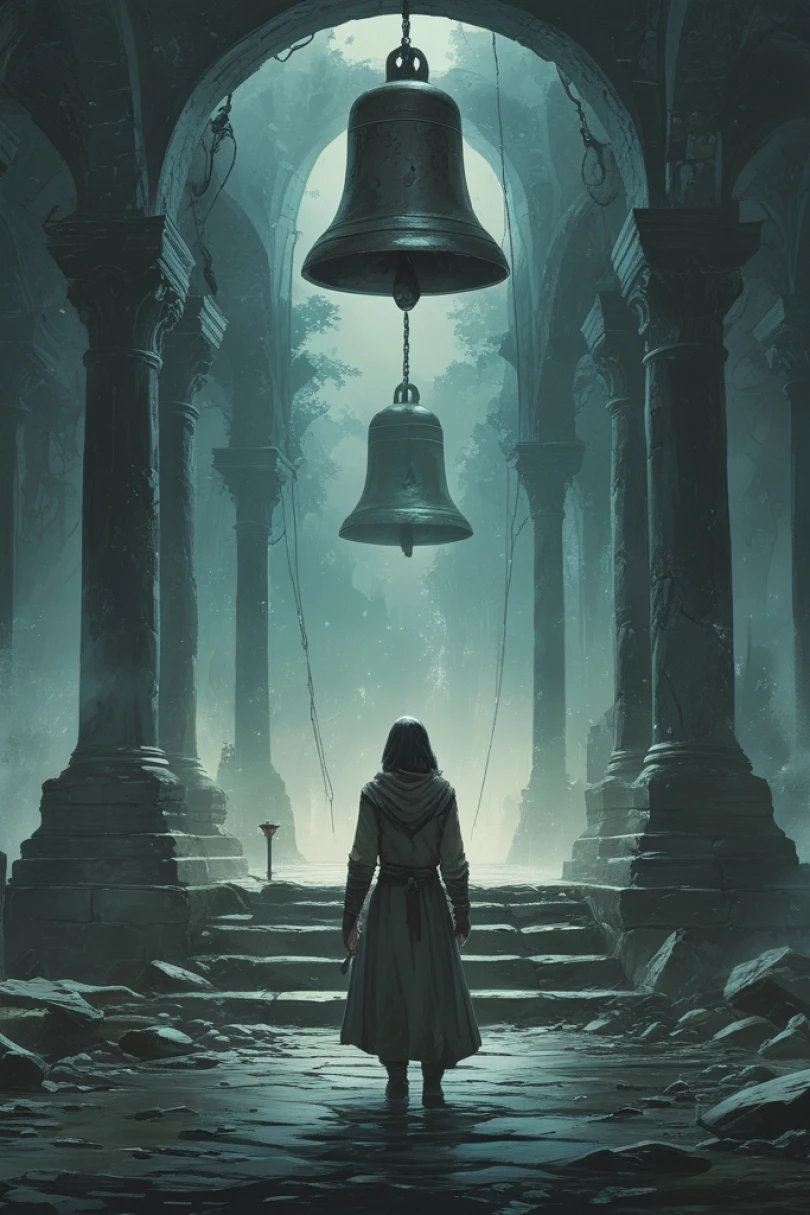
The Marrow Bell
In the estuary city of Gharrow, an archivist-scribe confronts a thirsty presence gnawing at the bell that keeps the tide’s hunger in check. With a lamplighter, a blind bellfounder’s craft, and a brass vigil-moth, she must re-tune the bell, expose a corrupt Warden, and bind the old mouth beneath the choir.
Dark Fantasy36 min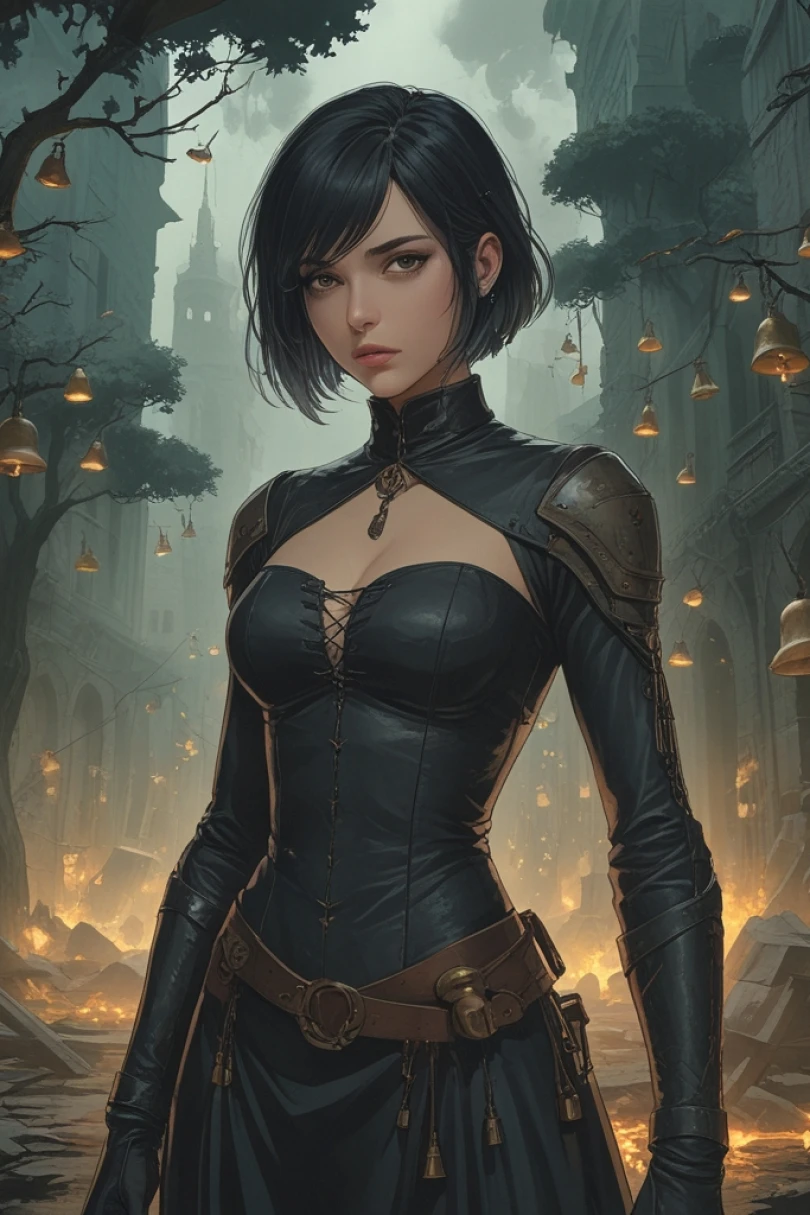
The Bone Orchard
In a decaying city of bell-trees and collected silence, a young bellwright named Eiran risks himself to reclaim his sister from a devouring seam that hoards voices. Dark bargains, hidden markets, and a moral choice between memory and mercy push him to sacrifice and reshape his craft, forging a fragile reckoning between loss and the stubborn persistence of sound.
Dark Fantasy52 min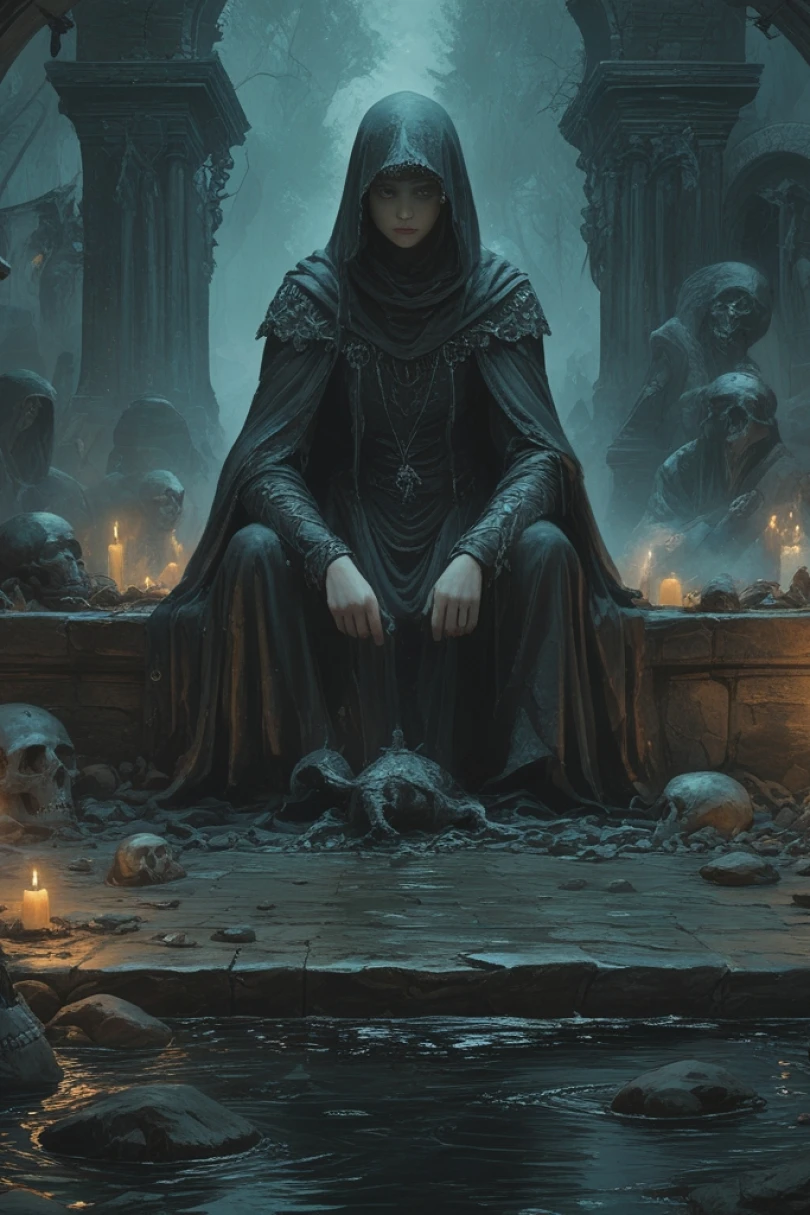
Saltglass Bells
In river-bound Harrowsend, mortuary assistant Edda tends bells that keep an ancient tide-hunger at bay. When children return voiceless and the city’s magistrate bargains in silence, Edda seeks a bone-ink vow and a coal-salamander ally in the ossuary below to bind the fogborn predator and bring stolen names home.
Dark Fantasy40 min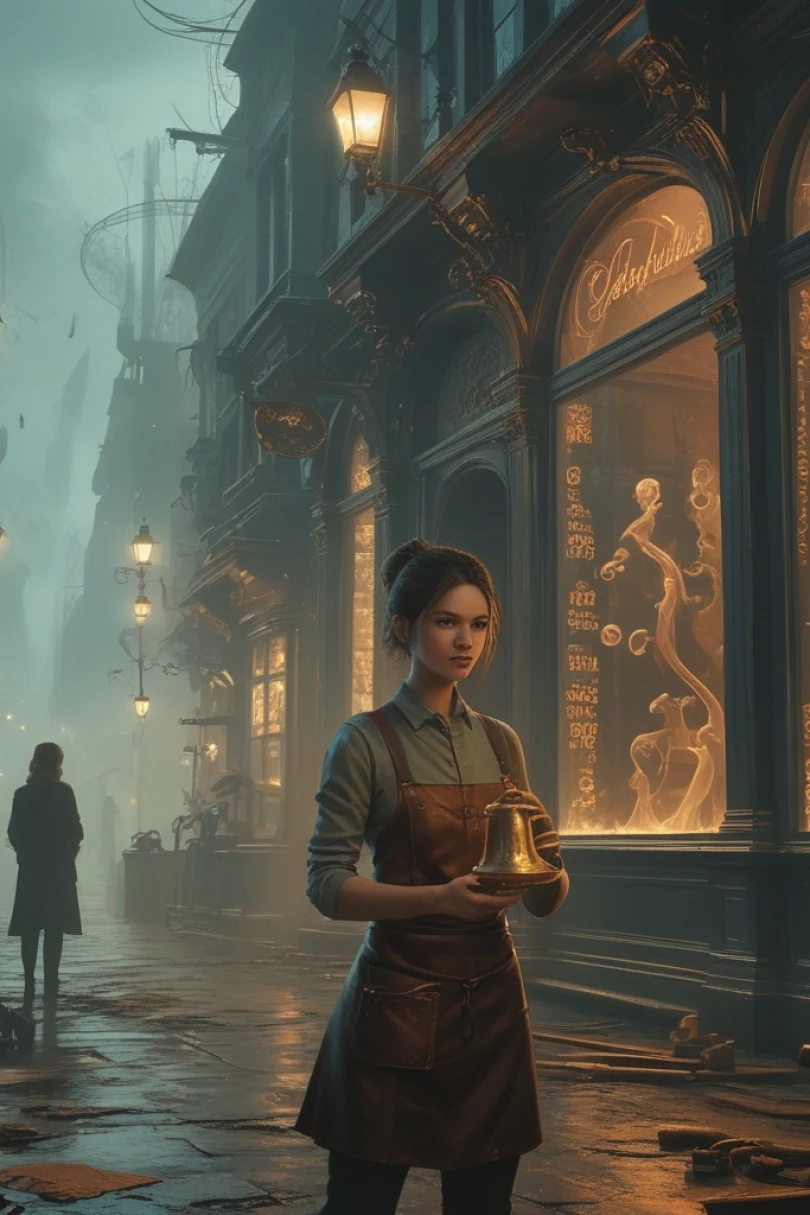
The Bellmaker of Brinefen
In fog-cloaked Brinefen, bellmaker Nera Voss crafts rings that hold names. When a Gallery begins sequestering identities, Nera must follow threads of loss through markets and vaults, confront the Curator of Names, and wrest memory back into the living world.
Supernatural52 min
The Toll of Hollowmere
Seren volunteers to become a living repository for the city's memory, binding herself to the bell to contain the Maw. The bell's intake is refashioned; the city steadies but at the cost of Seren's identity gradually dissolving into the archive she keeps. The ending is quiet, dark, and ambiguous.
Dark Fantasy56 min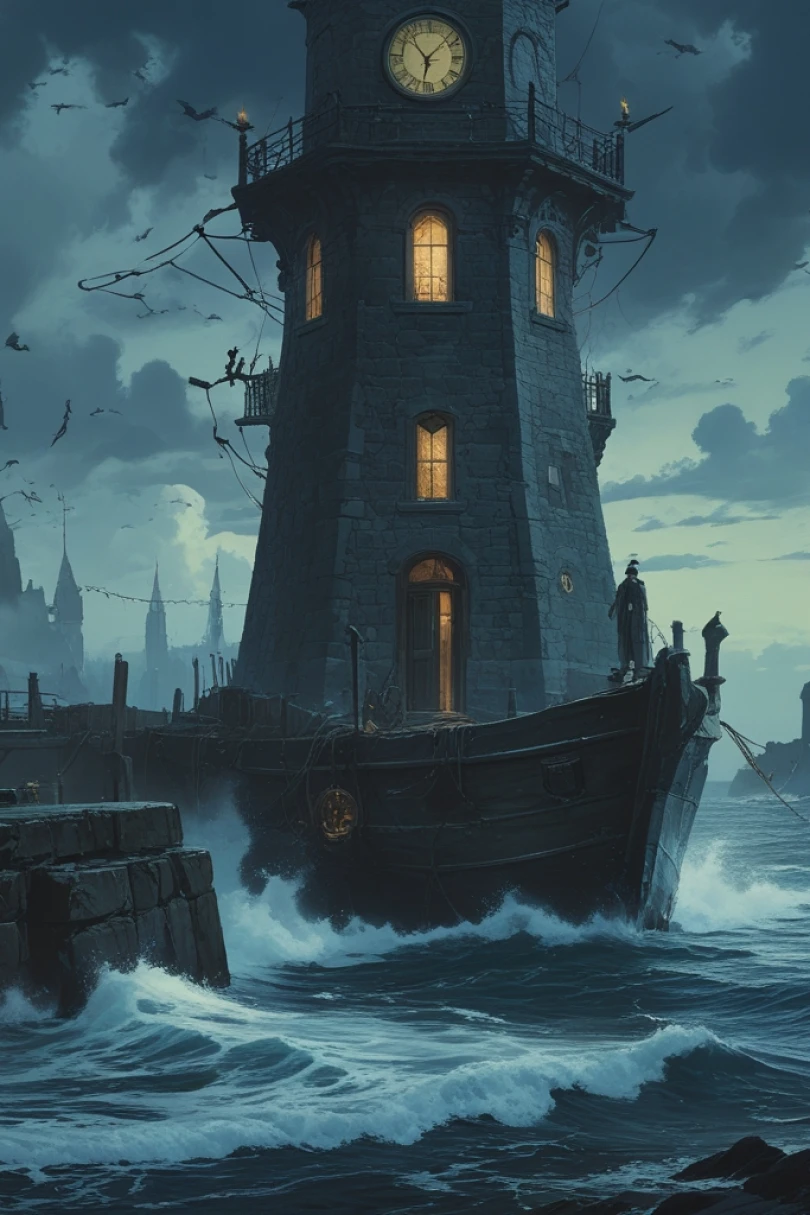
Harrowlight's Heart
A clockwright of Lowmarket mends a shard of darkness and unwittingly awakens Harrowlight's hunger. To protect her city she bargains with a lantern's appetite, faces a man who would privatize memory, and learns that saving a town demands the precise toll of what one is willing to lose.
Dark Fantasy38 min
The Hush Beneath Gullsbridge
A young maker of instruments defies a cliffside town’s fear when her brother is stolen by a voiceless presence in the tidal caves. Guided by a salt-widow, a curse-eating moth, and a child born of lullabies, she descends to free voices trapped in bonework halls, confronts the Warden of Quiet, and retunes the sea’s law with a new bell.
Dark Fantasy48 min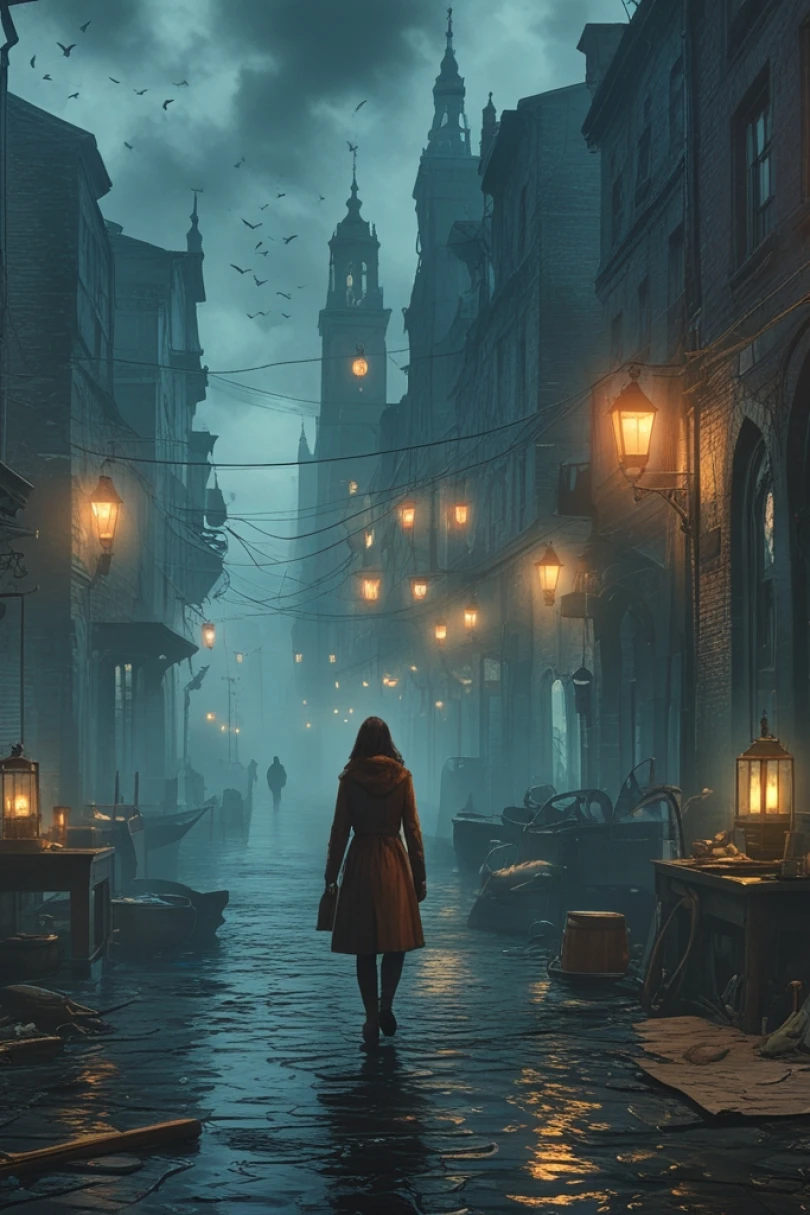
The Lantern of Lost Bells
In a fogbound port, instrument restorer Maya Kessler finds a brass lantern holding a child's voice and a clue to her missing brother. To rescue him she must penetrate a subterranean Archive, bargain with memory, and confront those who silence the city — at a cost.
Supernatural34 min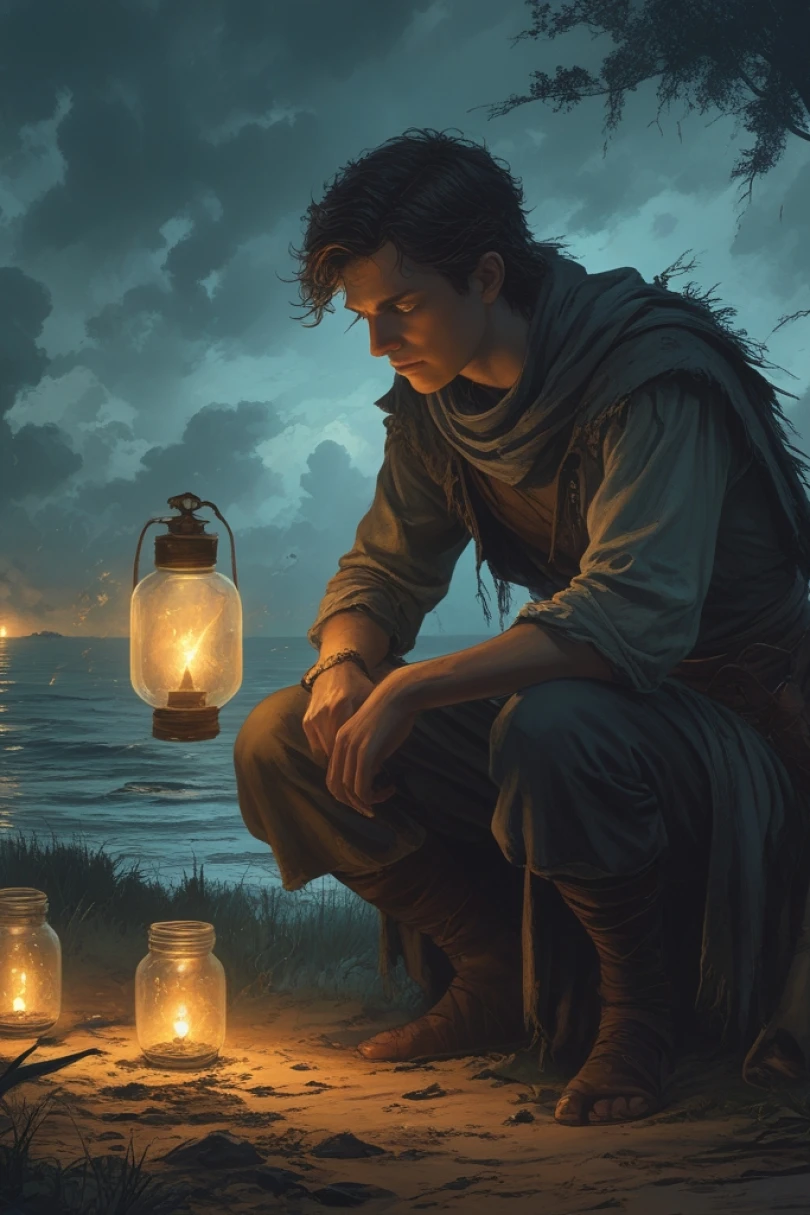
Stitchlight of Brinefell
A dark fantasy about a young lamplighter who bargains with memory to mend voices stolen into jars. He receives a stitchlight, follows thieves into the marsh, battles a cult of silence, and returns changed—heroic yet hollowed by the price of light.
Dark Fantasy52 min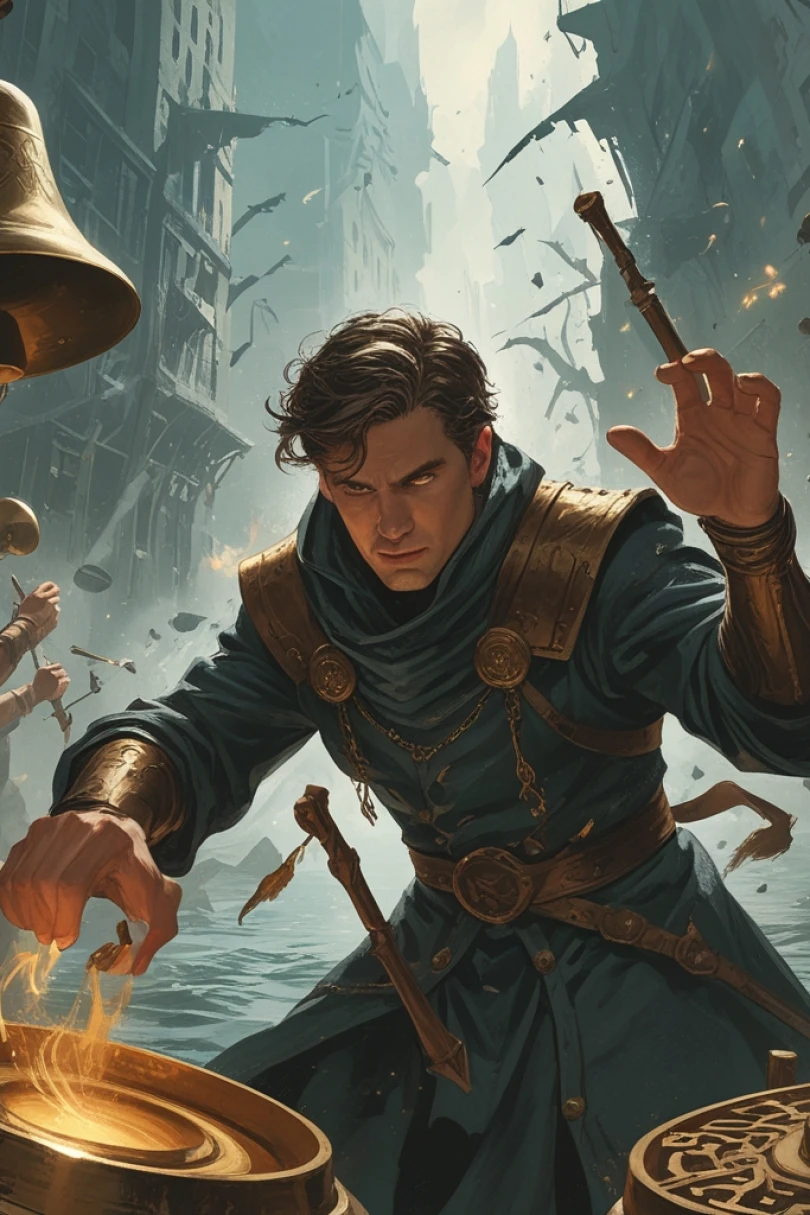
The Bellmaker of Gloomcourt
A lonely bellmaker becomes the city's unlikely guardian of sound after a living silence starts hollowing community ties. In a harbor town of oddities—ribboned geese, officious kettles, and market stalls selling consolation jars—Ansel must repair a cracked great bell, train keepers, and invent a practical system to keep people’s rhythms alive. The mood is quiet, hands-on, and slightly absurd, with a craftsman’s eye on the small acts that hold society together.
Dark Fantasy105 min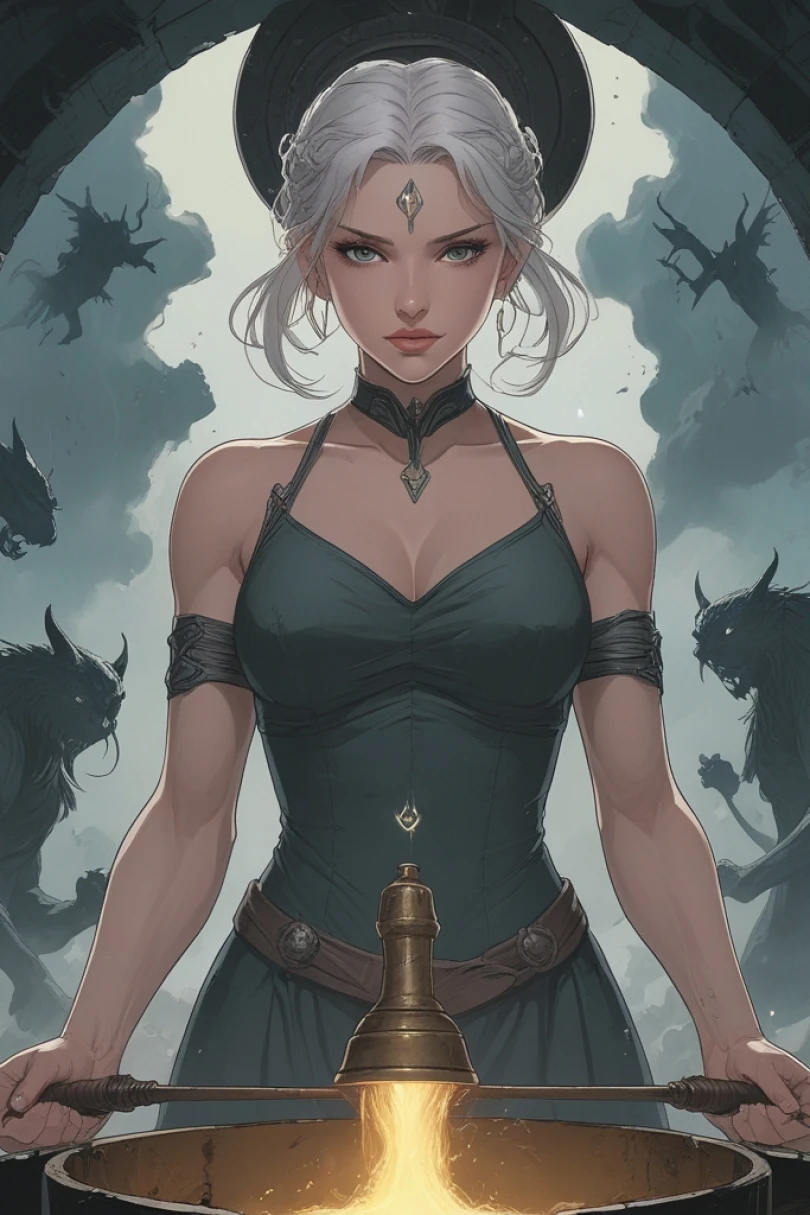
The Bellfounder's Bargain
At the seam between life and whatever comes after, bellfounder Edda Varr must prove that craft and cadence can alter ritual. Facing sabotage, political pressure, and creatures hungry for mis-tuned notes, she forges a new way to ask the seam, risking limb and hearing to give families a choice beyond brute anchoring.
Dark Fantasy70 min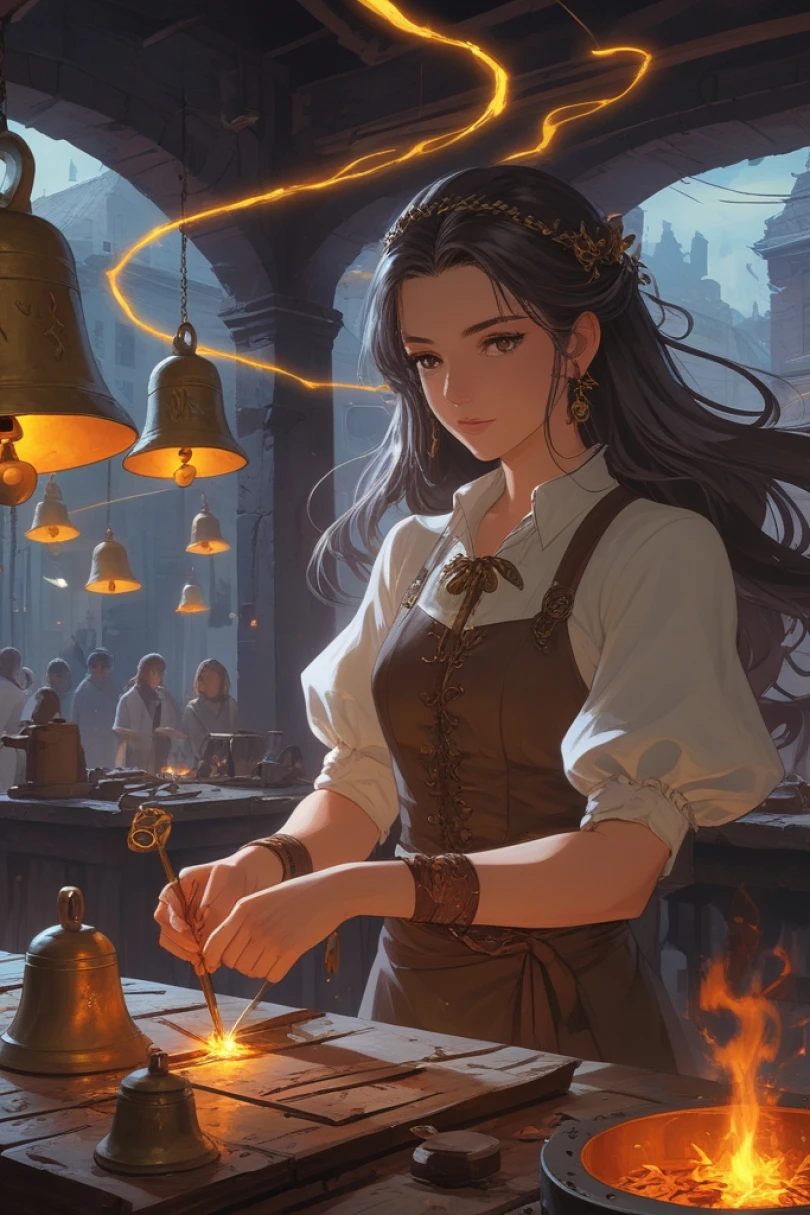
At the Edge of Riven Bells
A city’s voice has been eaten by an expanding silence; a reclusive bellmaker who once traded solitude for careful craft must forge a dangerous bell and bind a part of himself to it. In the aftermath, altered and quieter, he tends the bell, teaches a new generation, and watches the community re-weave its sounds into strange, intimate patterns, finding new rituals and small humor in everyday life.
Dark Fantasy85 min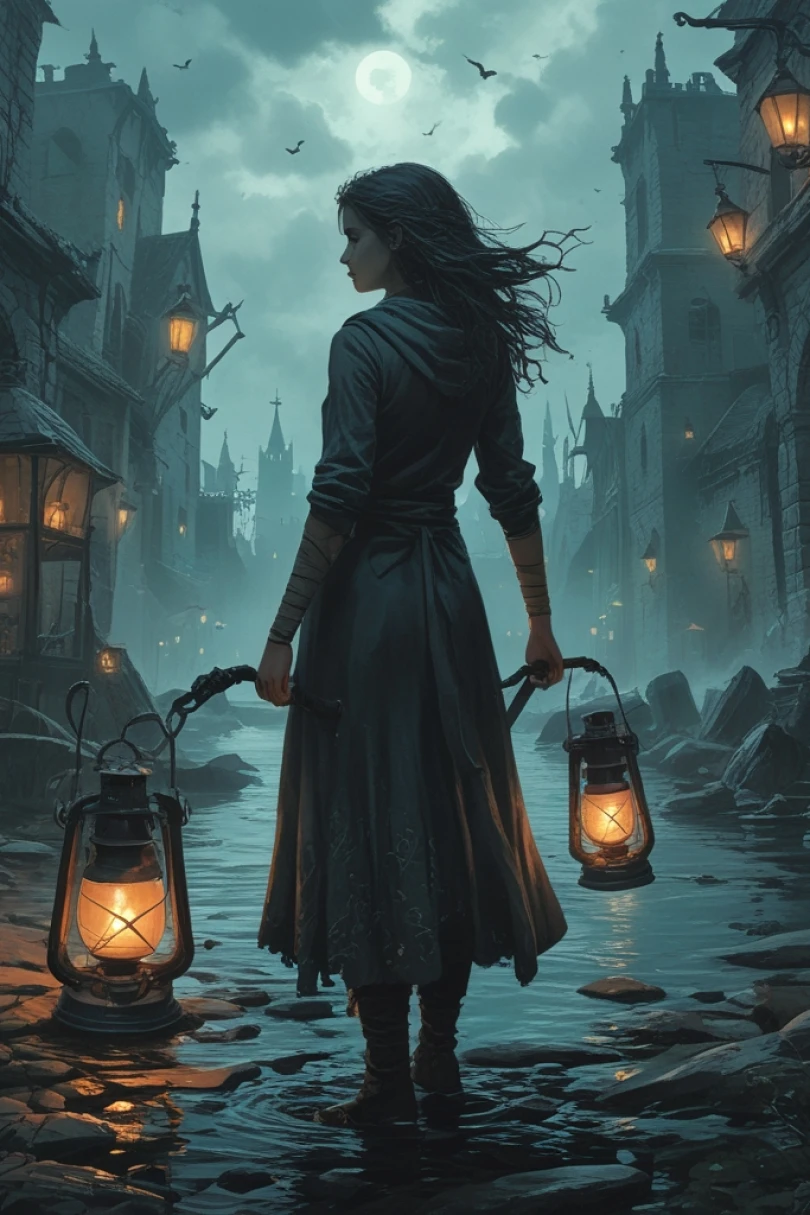
The Lantern of Wrenmoor
Eira, a gravedigger's apprentice in the drowned city of Wrenmoor, pursues a stolen bone-lantern and her missing mentor into the underways. She bargains with a tinkerer, gains a clockwork fox, and confronts a Warden who feeds on memory. A dark, intimate tale of duty, payment, and small mercies.
Dark Fantasy41 min
See also
- Saltlight Atlas: Middle-Grade Tales of Tides and Lighthouses24 stories
- If You Love Jules Verne: Aether and Airship Adventures17 stories
- Literary Short Stories About Grief, Memory, and Quiet Towns32 stories
- Brass and Conscience: Ethical Steampunk Inventors20 stories
- If You Love Le Guin: Fantasy Stories of Vows30 stories