
If You Love Le Guin: Fantasy Stories of Vows
Silver thread strung between two hands above a market square at dusk; a guild apprentice exhaling onto a starstone until the carved name flares awake under her thumb; a memory-singer mending a failing constellation with a single sustained vowel while the whole quarter holds its breath in the street below. These are the small, ceremonious gestures the collection lives inside, and they are the reason the shelf exists at all.
What unites these stories
This is a shelf of high-fantasy fiction in which the central magic is the binding word. Vows are physical here: carved into stone, sung into glass, knotted into living thread, anchored into the night sky as starstones that age and crack like any other masonry. The drama is rarely a battle and almost never a war; it is a courtroom, a guildhall, a winter valley, a balcony at midnight where two people decide whether to renew a promise that has begun to fail. Consent is a live wire running through every piece — who may bind whom, and at what cost, and whether a vow sworn in one season still belongs to the person who swore it — and the political stakes grow from that intimate ethical center outward, into reform movements, fractured guilds, undercurrents of dissent against guardians who have grown comfortable in their authority, and cities held together by public ritual that everyone has begun, quietly, to question.
The tone is measured, almost liturgical. Magic is craft and craft is labor, and the labor is often unglamorous: shards repaired, oaths re-witnessed, ledgers of broken promises read aloud in chamber. Glasswrights and seasonwrights, veilkeepers and oathkeepers, nightkeepers and wardens — the titles in these stories all imply maintenance, not conquest. Romance, where it appears, is the romance of long apprenticeship, of two people who have watched each other work for years before either of them dared say so. The settings are urban or village-scale rather than continent-spanning, and that compression is exactly what gives the stories their charge: a single covenant can shake a whole valley, because the valley is only ever one valley.
If you love these authors
Ursula K. Le Guin is the obvious lodestar — her Earthsea ethics of true names, her insistence that power must always be answered for, runs through every story on this shelf. Patricia McKillip readers will find the same shimmering, slightly archaic sentence music, where a description of a doorway can hold a whole cosmology. Susanna Clarke fans, particularly of Piranesi's quiet ritual rhythms, will recognize the way these collections treat architectural space as memory you can walk through. Ellen Kushner is a touchstone for the mannered urban-guild stories about who owes what to whom and how a city's manners conceal its real politics. Robin Hobb appears in the way oaths cost the keeper bodily, with a slow physical toll the reader feels page by page, and Lord Dunsany lingers, faintly, in the older, more lyrical pieces about gods asleep beneath the foundations of working cities.
Why we keep this list
We keep this collection because a particular reader keeps writing to us — the reader who wants fantasy that is grown-up without being grim, romantic without being ironic, and political in the way a guildhall is political rather than a throne room. They tell us they cannot find this shelf anywhere else, that bookstore tables have either gone glittery and YA-tonal or gone bleak and grimdark, and that nothing on either table sounds like the books they actually want to reread. So we tend this shelf carefully, prune it often, and add a new story only when it earns its place beside the older ones and could be read aloud, at the right hour, without a single false note.
— Curated by ProseHub Editorial, May 2026
Stories in this list

The Veilkeeper's Promise
A memory‑singer and the city's guardian confront a spreading hunger born of untended promises. In a silver grove beneath a fragile sky they attempt a daring duet: a living covenant that rewrites how vows are kept, risking both memory and station to reshape the Veil.
Romantasy44 min
Shards of Promise
In a city stitched together by living shards of vows, a Glasswright discovers that many promises bind people against their will. Drawn into an underground movement, she must choose between the voice that defines her craft and a dangerous ritual beneath the Heartwell that promises consent as the new law of bonds.
Romantasy44 min
Seasons of the Hollow Heart
A Seasonwright apprentice hides a man whose chest holds a living winterstone and pays with a beloved spring-memory to keep him warm. The ritual that frees him fractures public confidence in the guild’s economy of sacrifice and opens a fight over consent, memory, and how burdens should be shared.
Romantasy67 min
A Promise Between Stars
In Vespera, vows carved into starstones bind memory and identity. When a cluster of anchors begins to fail, an apprentice Oathkeeper and an exile who eases bindings make a dangerous, intimate pact: to reconfigure the city's promises into consensual bonds. Their work reshapes memory, law, and the cost of love.
Romantasy78 min
The Warden's Oath
Nerys, the valley's solitary Warden, faces a sudden fracture in the living border she maintains when a traveling singer's tune awakens a strange hunger in the Veil. The town gathers to test a communal offering as an alternative to one person's slow erasure; risk and lineage complicate the attempt, and a decisive public rite looms.
Romantasy65 min
The Nightkeeper's Promise
A city’s night trembles when a restorer finds a shard of fallen starlight and a guardian’s oath is broken. As public ritual and private sacrifice collide, a small market woman and a tired watcher force a reckoning that will remake how the boundary between waking and dreaming is held.
Romantasy75 min
Vow for a Fallen Star
On a city square where the night-singers repair the sky, an apprentice and a starwright stake their private bond on a public vow to mend a failing constellation. As witnesses gather and the Weave of Many is performed, the ritual restores lights and returns names even as it takes small, intimate costs from those who sing. Their choice forces elders and officials to reckon with an old prohibition and opens a path of shared responsibility for the city’s fragile memories.
Romantasy40 min
The Thaw Between Us
A valley braced against a patient cold discovers a fragile new covenant when a glasswright shapes a living bloom that gathers only willingly offered warmth. As a guardian stands visibly present and a community learns to give, the old protection is remade through public acts of trust and shared tending, while an uneasy pressure at the hedges continues to test their resolve.
Romantasy54 min
The Nightbinder's Promise
In a fog-washed city a Nightbinder who gathers the last, aching memories of the grieving must choose between the craft that defines her and a ritual that will return those memories to the people who lost them. As private packets leak into the streets and names begin to fade from stone and speech, one woman faces the Heartstone to perform an ancient Promise with a cost no ledger can soften.
Romantasy39 min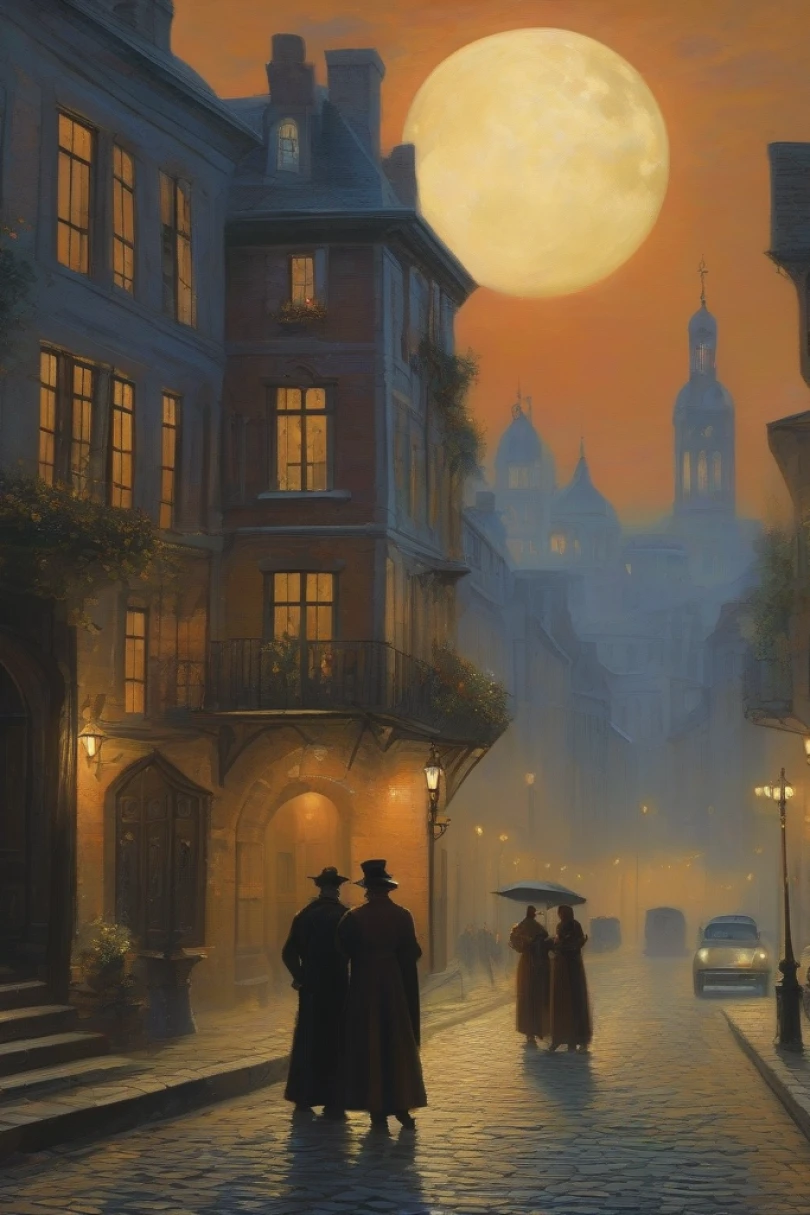
Between Two Dawns
In a moonlit quarter where a dawn-bound ward keeps the city whole by exacting memories, a restorer and the Nightwarden who pays the price bind themselves into a shared living anchor. Tension mounts as protests, thefts, and a dangerous ritual force a choice between wandering and holding, between private life and public duty.
Romantasy58 min
When Promises Bloom
In an orchard where fruit keep spoken vows, a Keeper shelters a wounded mender whose forbidden craft resonates with stored promises. When a hollow in the land begins to eat obligations, a public ritual forces a costly exchange. The town must confront law, memory, and what it means to hold one another.
Romantasy88 min
Garden of Tethered Stars
A living garden holds the city's vows in glowing pods, kept steady by a solitary Warden. When a market mender’s touch alters that balance, private closeness blooms into public crisis. Pressure from the Council forces an experimental reweaving of the Garden’s safeguards — one that demands a personal relinquishment and a radical redesign of how promises are kept.
Romantasy43 min
The Vowkeeper's Garden
At dusk a gardener, Liora, tends living vessels that hold a city’s lost promises. When a stray vow awakens the Night-Bearer, Eren, to feeling, their quiet alliance challenges an implacable Conservancy and draws neighbors into a risky public experiment—can memory be kept without erasing the keepers?
Romantasy55 min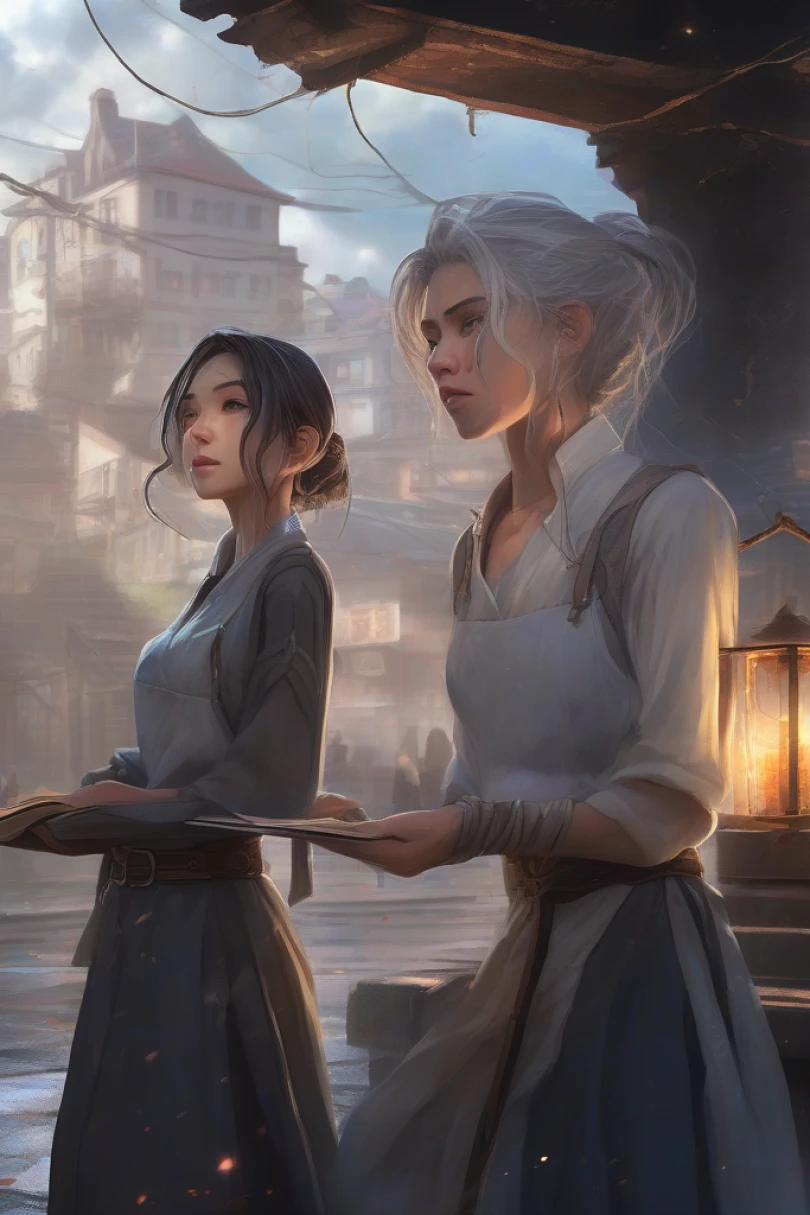
Between Ash and Starlight
Under a thin seam in the sky, a weather-mender faces a choice that will cost her voice to steady a fugitive of the air. Tension gathers in a city used to bargaining with weather, and a binding ritual beneath an old well forces a trade between song and flesh, balance and loss.
Romantasy49 min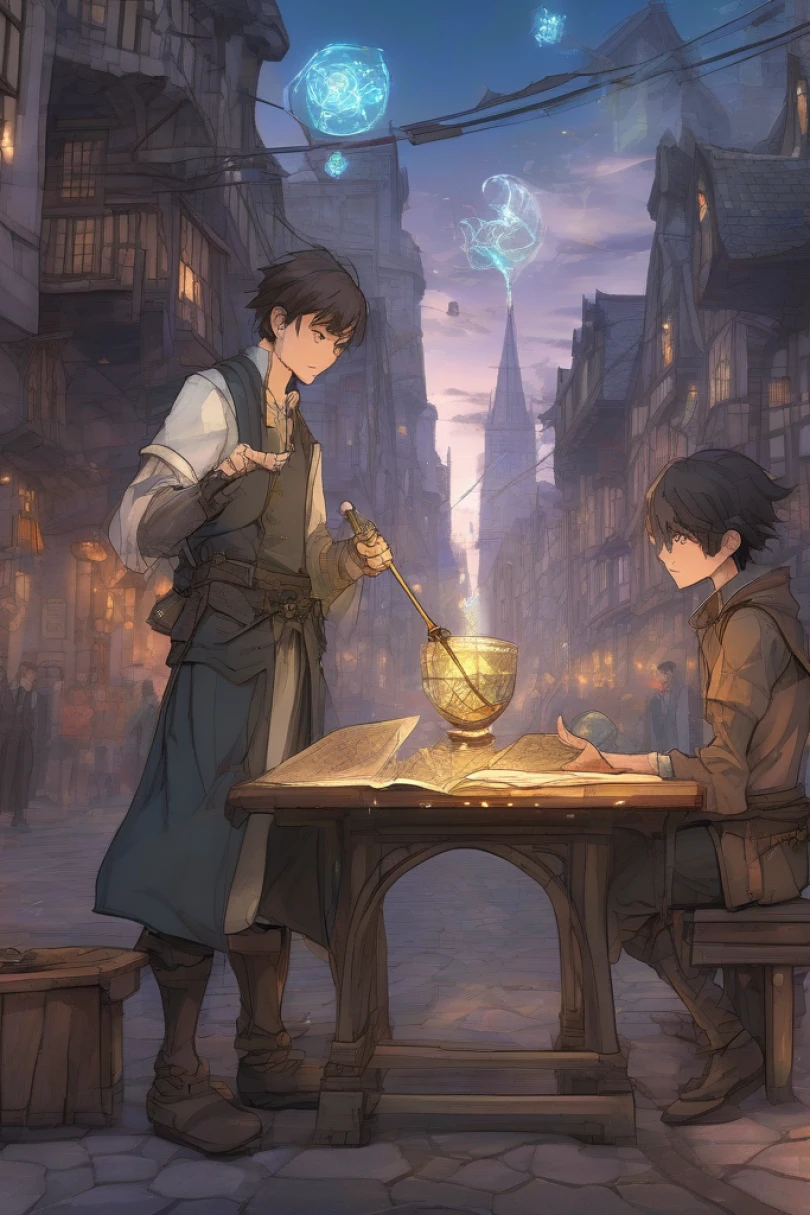
The Glassmaker's Promise
In a city of crafted panes that show lives not lived, an apprentice glassmaker's work fractures a rule and releases a shard into the streets. A Warden of Balance confronts a private vision of what he never chose. The council must decide whether to abolish the craft or invent a system of consent—and two people find themselves at the center of a public, intimate remaking.
Romantasy44 min
A Carved Place to Stand
Aelara, a mosaic artisan whose small, moving designs once courted gossip, begins teaching and faces the guild’s scrutiny as the city commissions a riverside promenade. When a structural crisis threatens a newly installed stretch, she must use her hands, geometry, and quick thinking to prevent disaster. The aftermath reshapes practice, creates grudging acceptance, and brings quiet companionship with Corin as the city learns to let beauty behave.
Romantasy54 min
Veilbound
In a coastal city split by a fragile membrane between realms, a tide-worker and a disciplined warden become bound to the Veil after a shard links them. As they face political ambition, theft, and public debate, their altered lives mark the start of a public covenant and a new, watchful guardianship.
Romantasy92 min
A Bouquet for the Bridgewright
Elowen, a principled perfumer, refuses to craft a coercive scent for a powerful household. When a bridgewright reveals his living arch can amplify aromas across a crowd, she must use her craft to prevent a public manipulation at a wedding—balancing ethics, skill, and the fragile stirrings of a new partnership.
Romantasy46 min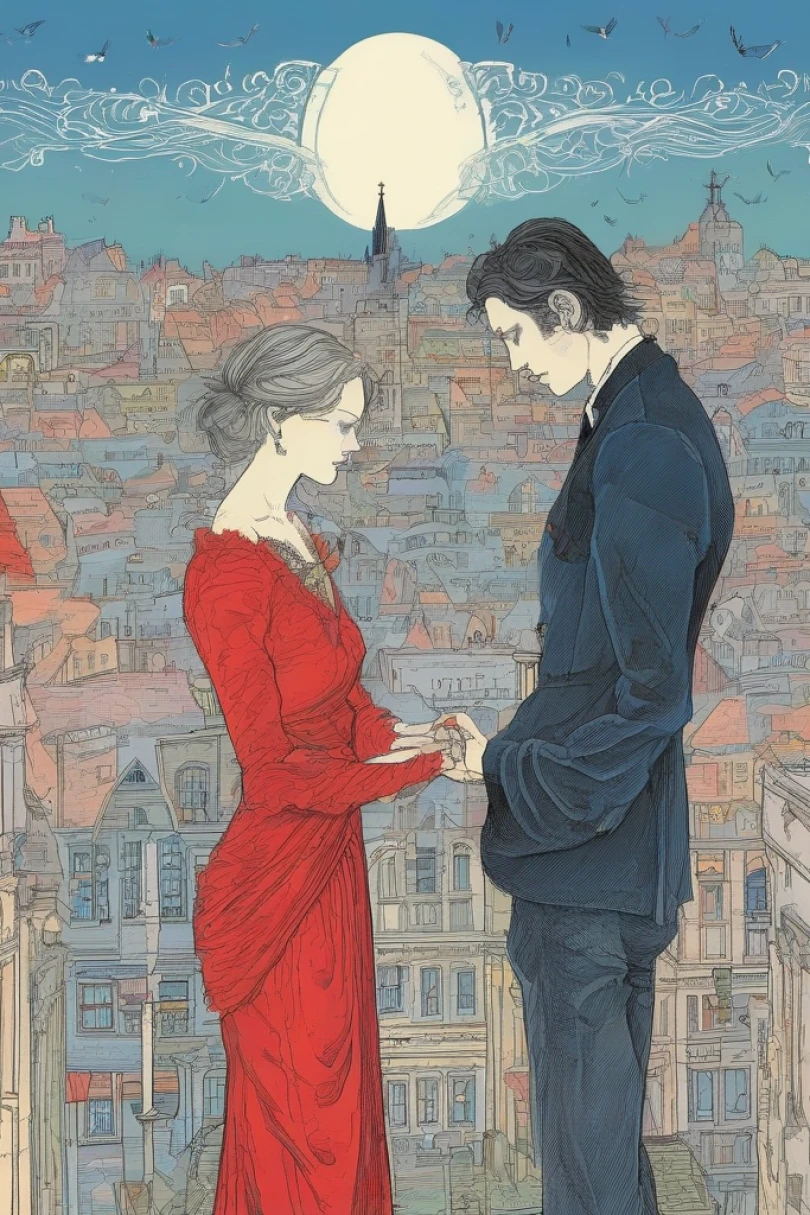
Where Stars Hold Their Breath
The city watches as a singer and an ageless guardian propose a public ritual to reweave a fraying boundary between night and waking. Against official orders and popular fear, they choose a mutual binding that alters their lives and the seam's law. The rite reshapes duty and love into a visible, shared practice.
Romantasy36 min
Glass & Gale - Chapter 1
Final chapter resolving the heart and politics of the story.
Romantasy46 min
A City Carved for Two
On the day the city celebrates continuity, an acoustic artisan risks everything to alter the Sky‑Arc and let a low‑tier glassblower’s fragile melodies reach balconies that have never heard them. Against tightened guild oversight and a foreman who favors rules, Sylvie must use her craft live under a watching crowd. The festival becomes a test of skill, consequence and connection as sound finds new paths through the tiers.
Romantasy37 min
When the Horizon Sings
On a hard morning in a coastal town, a craftswoman who harvests fallen star-glass confronts the consequences of a forbidden ritual. As guardians descend and the sky itself demands consent, she must lead negotiations that will remake livelihood, law, and love—beginning with a public rites trial for her brother.
Romantasy66 min
Moonwoven
In a riverside city that wards itself with living recollections, a memory-weaver and the Nightward who channels his life into the beacons confront a bid by officials to centralize memory into guarded stores. Their improvised tapestry — a public mirror, not a vault — becomes both rescue and reckoning when the cost of anchoring it is offered freely.
Romantasy54 min
Knots Over Galesong
When a storm threatens the terrace city of Galesong, a cordweaver's rare skill becomes the only practical option to prevent disaster. Tense negotiations over protocol, personal loyalties, and practical craft culminate in a night where professional hands and simple bravery decide who will fall and who will hold.
Romantasy46 min
When Nightbloom Thaws
A gardener tending fragile nightblooms and a stern Warden of the frost confront the seam between seasons. Their secret exchange becomes a public rupture, forcing a ritual choice: to yield an office or scatter a private memory. In the thaw that follows, a living margin is born.
Romantasy44 min
Spark in the Stone - Chapter One
Storm-scarred harbor, a keeper who anchors himself to the tide and a conservator who trades her craft for the town's safety—this Romantasy finale brings a storm, a public trial, and a sacrifice that reshapes duty and love. The ending folds grief and devotion into a new rhythm for the quay.
Romantasy47 min
Grove of Borrowed Light
In a valley lit by trees that drink the stars, a keeper and a sky-guardian collide over a revelation of secret stores. As old rules fracture, a public rite forces hidden measures into daylight and remakes the balance between duty and attachment, with personal cost and a new, uncertain tenderness.
Romantasy51 min
The Starbinder's Oath
Under a bruised observatory dome, binder Elara shelters a fallen star in human form, Corin, and uncovers altered laws and a dangerous experiment unravelling the city’s memories. As the sky frays, love and law collide in a public ritual that could remake both lives.
Romantasy48 min
Between Memory and Midnight
In twilight Nocturne, a steward who catalogs surrendered memories and a shore‑singer who returns them fall into a dangerous alliance after a shard reveals a hidden erasure. Their secret act forces the city to reckon with what it owes its people — and what it takes in the name of safety.
Romantasy92 min
The Memory Gardener
Elara, a memory gardener, breaks protocol to protect a woman kept alive by a forbidden Silence Seed. She flees with its keeper, Kade, into the Glasswood; a partial ritual exposes the Memory Hall’s abuses and forces a public reckoning that will demand costly choice.
Romantasy56 min
See also
- Dark Short Stories About Hollow Bells and Stolen Voices15 stories
- Literary Short Stories About Grief, Memory, and Quiet Towns32 stories
- Brass and Conscience: Ethical Steampunk Inventors20 stories
- Bedtime Short Stories About Hush-Songs, Moonbeams, and Night Gardens23 stories
- If You Love Gibson: Cyberpunk Stories About Harvested Memory24 stories