
Bedtime Short Stories About Hush-Songs, Moonbeams, and Night Gardens
I wrote most of these notes in the half-hour after the children in my house had finally gone quiet, when the lamp was still on and the door was still cracked open a finger's width. That is the hour this collection was built for, and the hour I keep coming back to when I tend it.
What unites these stories
Every piece in this collection is a true bedtime story: short, soft, low-stakes, and quiet enough to be read aloud in a near-whisper without losing its shape. The protagonists are small children — usually four to eight years old — who cannot quite sleep and slip, through a windowsill door or a glowing petal or a hush-seed under the pillow, into a gentle parallel evening. There is always a small task, always a kind companion (a hush-bird, a moth, a patched rabbit, an old willow), and always a returning. Nothing is lost forever. Nothing roars. The danger, if there is any, is the danger of forgetting how to be calm.
The shared motifs are deliberate and consistent: moonlight, breath, lullaby fragments, gardens that exist only after the porch light goes out, small lights that need to be carried home rather than caught. The pacing follows a child's nighttime rhythm — out, around, gently back to bed — so that the reader's own pulse slows by the last paragraph. These are stories engineered, with great tenderness, to help a small person sleep.
If you love these authors
Margaret Wise Brown is the patron saint of this shelf: Goodnight Moon's hushed cadence and its trust that naming the world soothes it run through every story. Maurice Sendak appears in the willingness to let the night be its own country, though the wildness is gentler here than in Where the Wild Things Are. Frances Hodgson Burnett's secret-garden quietness is the architectural model for the night gardens themselves. Cynthia Rylant's small domestic kindnesses (Henry and Mudge, the Mr. Putter books) live in the warmth between child and companion. Sam McBratney's Guess How Much I Love You leaves its echo in the goodnight beats at the close of each piece.
Why we keep this list
We keep this collection because the bedtime shelf is the most-read shelf in any house with a small child, and because the parents who write to us are tired and want stories that work — that actually settle the room rather than wind it up. These do. We test each new addition aloud, at the right hour, before we shelve it.
— Curated by ProseHub Editorial, May 2026
How to read this collection
Read one story per night, after teeth and before lights-out, in the softest voice the room will allow. If your listener asks for another, choose one with a similar palette — moon, garden, hush — so the room stays in one key. Close the book before the last line if eyes are already shut.
Stories in this list
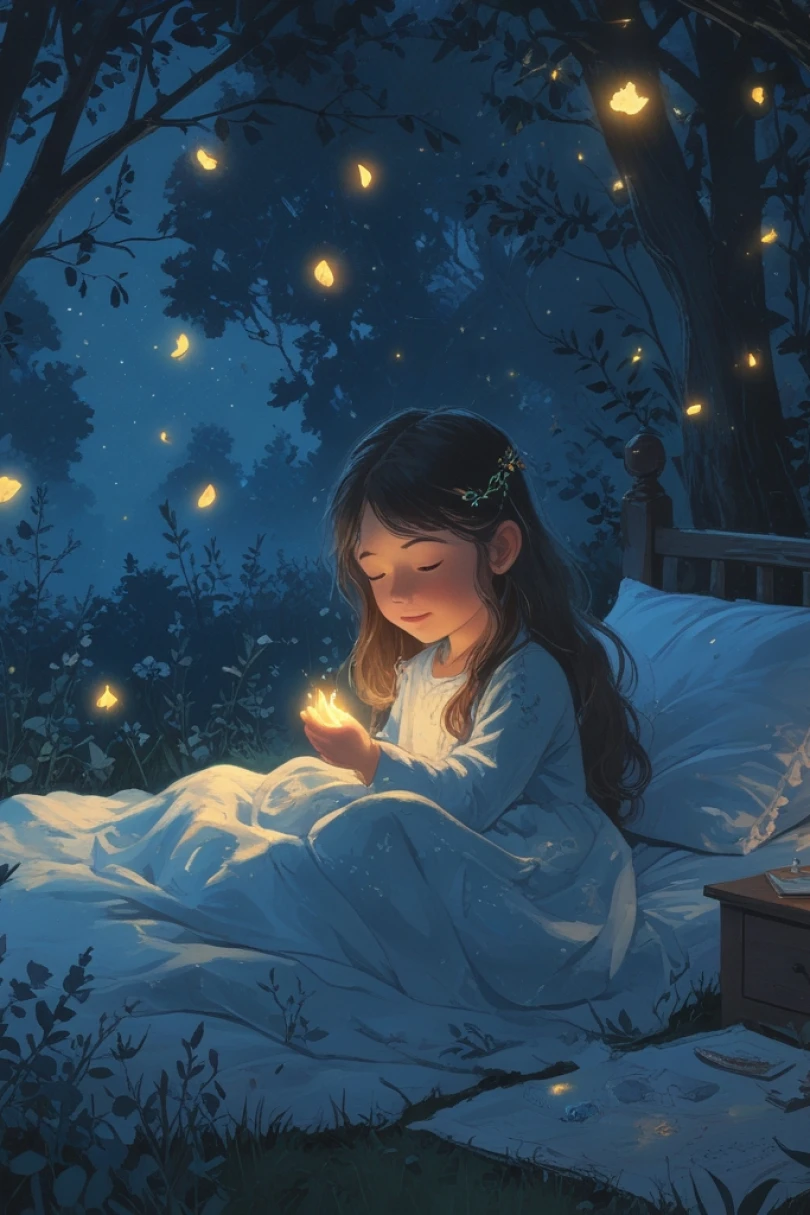
The Night Garden and the Quiet Song
Evening is too loud for Nora until a small glowing petal leads her into the Night Garden. Guided by a hush-bird and an old willow, she gathers the scattered pieces of a lost lullaby — a breath, a kindness, a remembered smile — and begins to mend the quiet around her pillow.
Bedtime35 min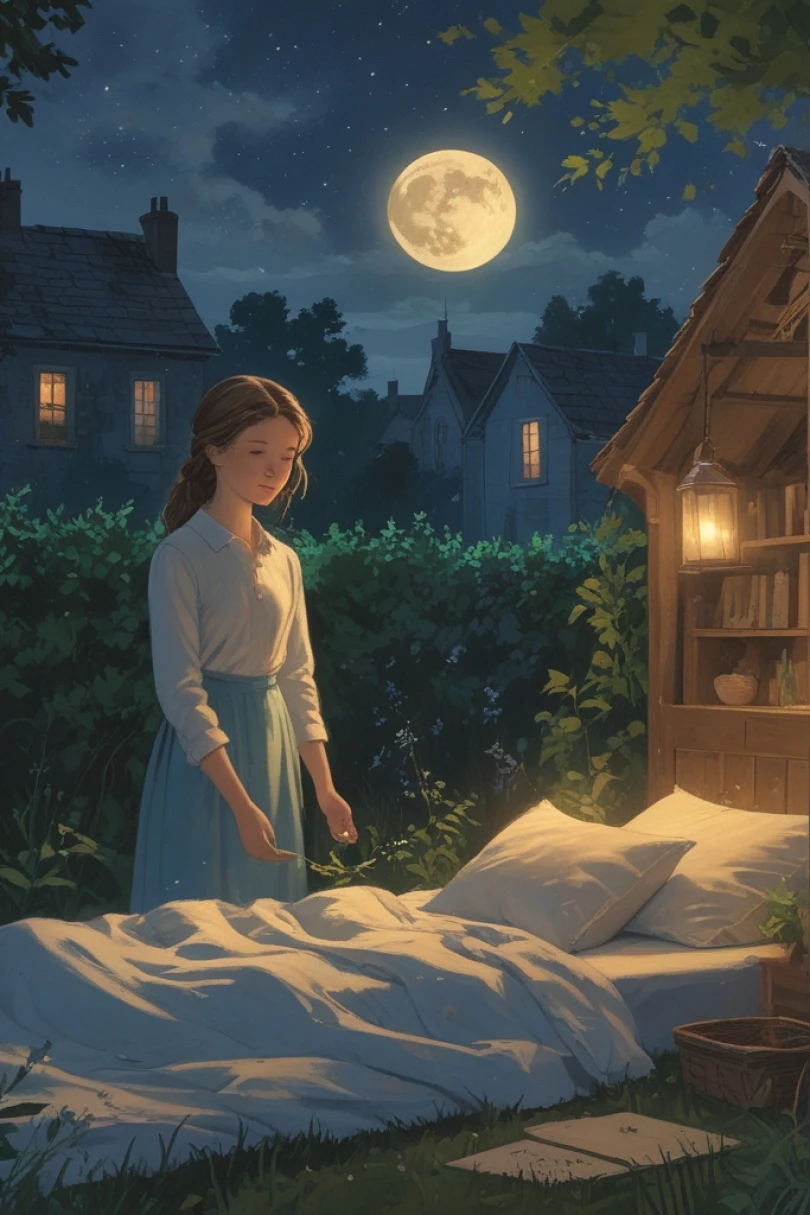
The Hush Garden
The hush that folds itself around Nora's bed goes thin one night, and a fleck of light called Pip leads her out along moon-steps to a garden where quiet is grown from seeds. Someone has been taking them. Nora finds a frightened creature with a private larder of hush under a root, and has to work out how to ask for it back.
Bedtime99 min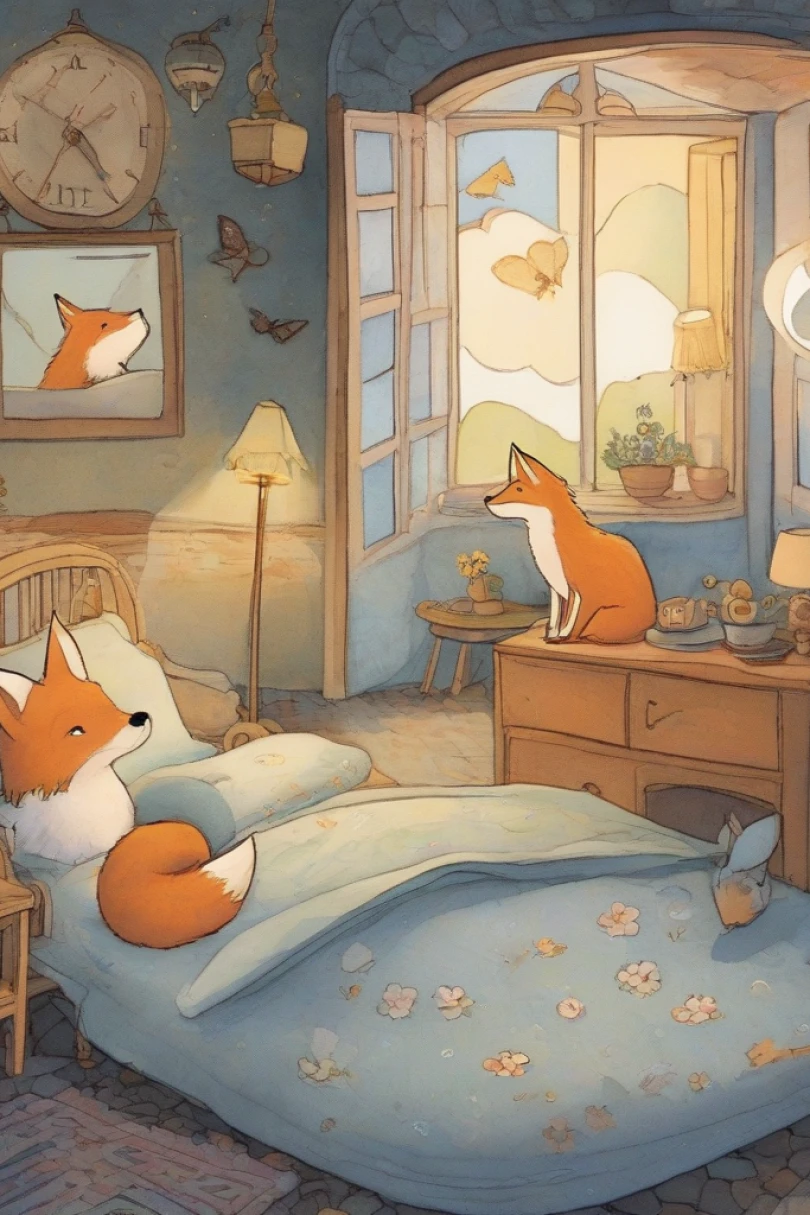
The Pillowboat’s Hush-Song
Mira can't sleep in the new room: the noises are unusual, the shadows live in their own way. At night, her bed turns into a soft boat, and the Wisp moth leads her along the corridor, garden, and cloud bridge. Meeting the clock and Lalla the fox, Mira gathers "notes of silence" for a future lullaby.
Bedtime40 min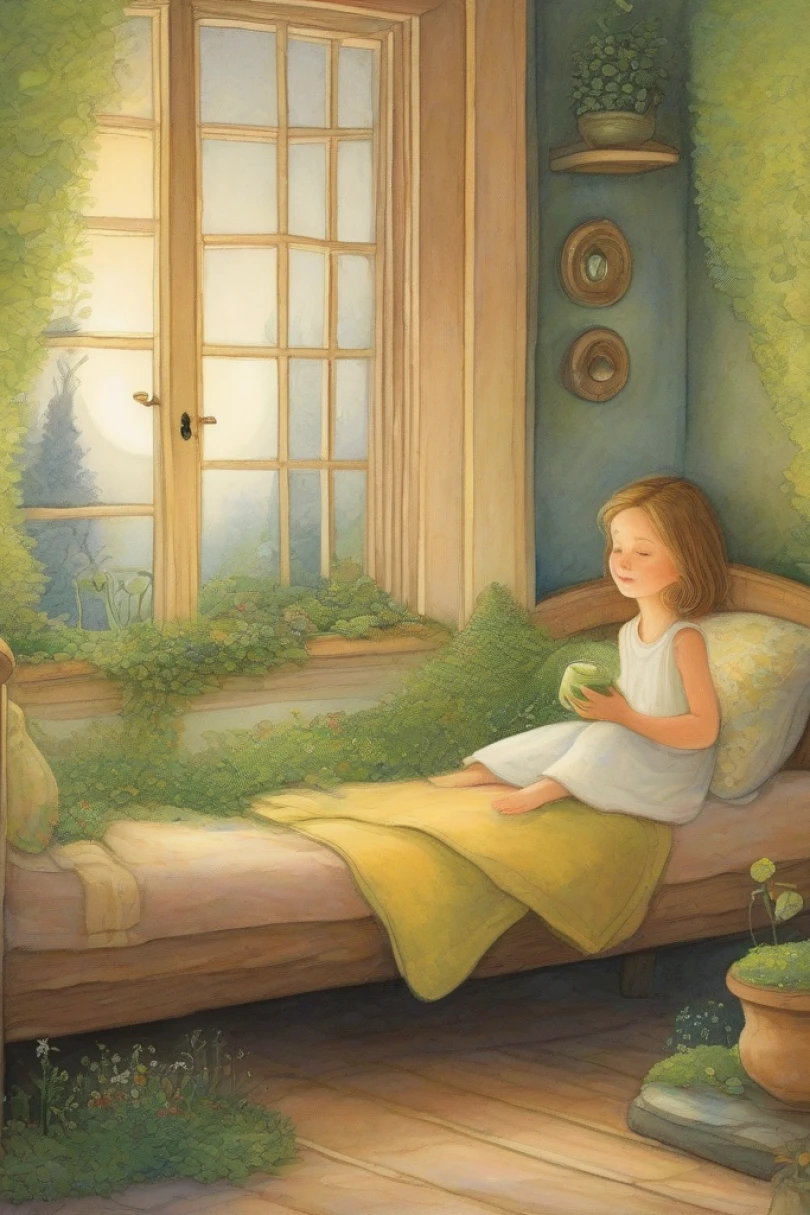
The Night Garden Beneath the Window
On a night when sleep will not come, a small child named Ivy discovers a tiny door beneath her windowsill that opens on a secret Night Garden. Drawn into a soft world of pillow-bridges, moss bowls, and a few gentle keepers, she follows a tender task: to return scattered comforts that make night gentle. As she gathers seeds and a steady glow she must also name the small frets that keep her awake and make a quiet promise she can live with.
Bedtime105 min
The Little Dream-Keeper
Under moonlight, a small child named Sam treads through a gentle night to recover a missing hush that helps sleep arrive. Guided by a tiny dusk-creature and a patched rabbit, the evening circles from searching roofs to a bedside ritual that settles the chest and readies rest.
Bedtime40 min
Mixing Midnight Buns
A late-night baker who measures the world by kneads and oven sighs is nudged out of her private rituals by a small, earnest request left on her doorstep. When a storm and a temperamental oven make small kindnesses fragile, she teams with practical neighbors to light a makeshift kiln and teach hands how to steady heat. The result is a modest, tactile effort to bring warmth and quiet to one sleepless night.
Bedtime70 min
A Pocketful of Moonbeams
Night-breath hush, a small girl climbs rooftops to coax a shy ribbon of light home. Mila carries a market-made pocket and pebble, a toy companion, and a cloud’s quiet help. She must name the moonbeam and prove she will remember in a way the light will accept. Gentle, patient, and wreathed in soft wonder, the story follows her final, tender steps toward Tess’s sleeping room.
Bedtime92 min
The Nightlight and the Small Star
On a soft, moonlit night a small child finds a faint star slipped through the window. Carrying the tiny light through quiet streets and rooftop rungs, she learns the careful difference between keeping and helping. The story follows her gentle, brave steps toward a high, open place where the night itself can cradle what she cannot hold forever.
Bedtime40 min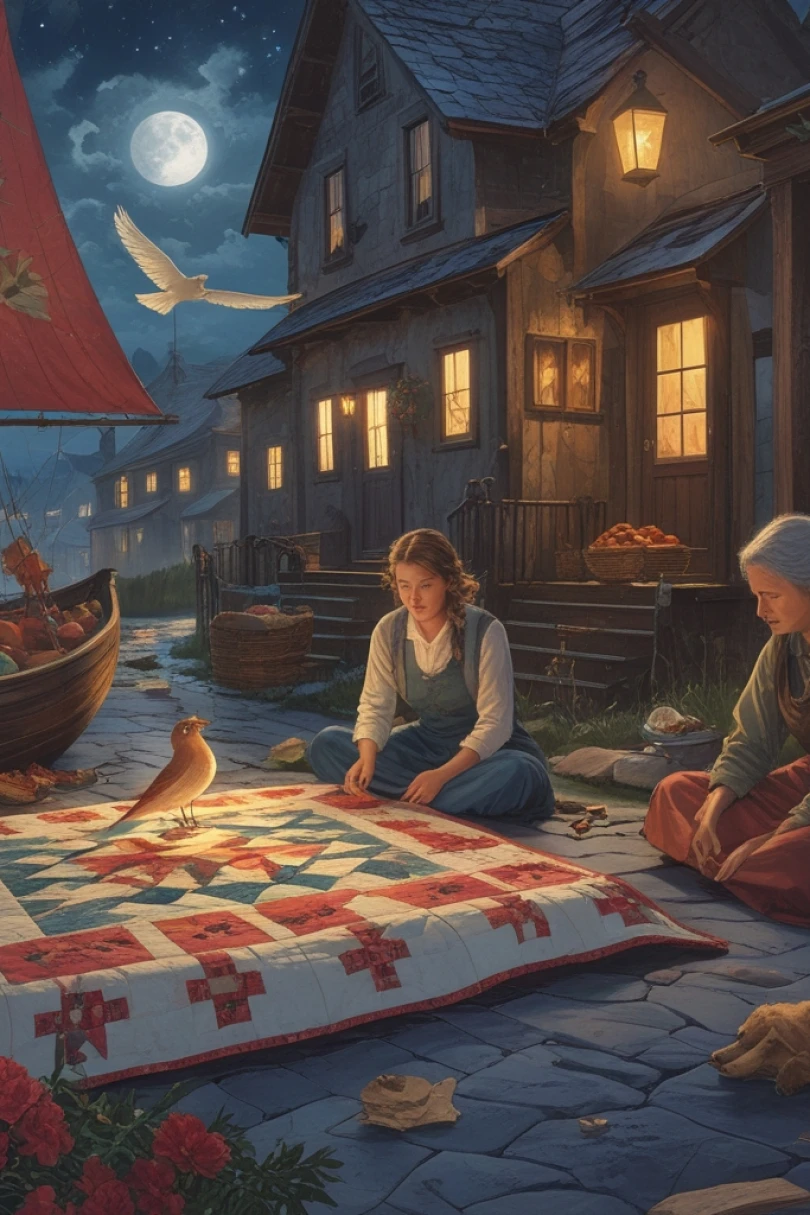
The Night Quilter and the Open Door
The town wakes to a square patched from last night’s storm: quilts used as sails and anchors, neighbors offering warm bread and practical thanks, and a small carved wooden bird that becomes a quiet link between hands. Etta, the night quilter who once preferred lamplight and silence, finds herself teaching stitches and anchoring new routines as the town reshapes its festival into something more inclusive. The morning hums with candied peel, rosemary hung over doors, and the baker’s clock approvingly chiming for good crusts—an ordinary world settling into unexpected company.
Bedtime57 min
Where Sleep Grows
A hush-soft bedtime tale where a small child named Ivy finds a hidden garden beneath her bed. With Pip, a patient keeper, she learns a simple three-step ritual to meet a large, restless seed that holds a knot of newness and fear. The night is gentle, the work ordinary, and the quiet bloom offers a steady light for morning.
Bedtime39 min
The Piano Tuner and the Night Song
Nora, a careful piano tuner, faces a late repair on Mr. Calder’s parlor organ the night the town gathers for its Night of Songs. With small trades, community warmth, and an improvised splice, she wrestles a stubborn mechanical hiccup into tune. The evening unfolds with music, food, and the gentle mending of ordinary connections.
Bedtime36 min
The Quilt Makes Room Slowly
Iris works late at a kitchen table where tea cools, thread sheds blue wax, and a quilt corner keeps slipping out of square. A boy at her side wants the needle before she lets it go, and the small room fills with hands, cloth, the bedframe’s small bite at the edge, and the click of a kettle that will not quite stop, even after the flame goes down.
Bedtime43 min
A Warm Loaf for the Moon
On a rain-throttled night, Jonah Marlow's tiny bakery becomes more than a place to buy bread: it turns into a shared hearth. When a flue cracks and the lane loses power, Jonah must adapt ovens, organize neighbors, and teach practical baking work fast enough to soothe sleepless children and cold houses. Tension is solved by his hands—stoking, bracing, timing, and guiding the community through a comforting, tactile craft—while the city's small rituals and warm humor ease the darkness.
Bedtime48 min
The Tucking Place
Elio, a small child with a busy mind, discovers a quiet moonlit garden beyond his curtain where a dusk-blue bird, a patient tree, and a keeper of tiny seeds teach him simple rituals—naming a worry, tucking it into a seed, and a gentle hum—that make the night softer and sleep possible.
Bedtime110 min
Brass and Moonlight
On a narrow, lamp-lit lane, a quiet craftsman who fashions little brass frames and glass moon-catchers must decide between a tempting commission and the small, urgent needs of his neighbors. A sudden blackout makes the choice immediate: using angle, solder and patient skill, he rigs a chain of reflectors to shepherd moonlight into worried rooms. The night becomes a ledger of small favors, and the maker weighs an offer that could change his routine but might also unravel the gentle economy that keeps his street sleeping.
Bedtime29 min
A Door Left Ajar at Marlow’s Bakery
A baker named Etta balances the order of her craft with unplanned community need when a winter storm threatens the town’s warmth; as she organizes a communal bake, practical skill and quiet leadership turn a crisis into an evening of shared labor and small, real ties.
Bedtime40 min
Evening Rides at Willow House
Tess, a night elevator technician, tends a modest apartment house where small rituals hold a community together. When a storm stalls the lift she acts with calm skill; afterward she leads safety workshops that reshape her role, balancing practical work and neighborly ties in quiet nights.
Bedtime72 min
Ada and the Night Music of Willow Street
On Willow Street, a night piano tuner keeps the neighborhood in tune—until an offer to tour with a professional ensemble arrives just as the community hall piano needs urgent repair. Ada must use her craft to solve a practical crisis: restore the hall's instrument and coax music to carry without electricity. Against storm, leaks, and a snapped string, she rearranges boards, barrels, and voices, leading neighbors in a candlelit Night of Soft Songs that relies on hands and skill rather than amplification. The climax is resolved by Ada's professional action—tuning, bracing, and designing the room's acoustics—and her final choice, made by calling the ensemble and negotiating a delayed start, reshapes her path.
Bedtime54 min
The Window Keeps Count
At dusk in her aunt’s house, Mina Holt brings her tools to a window that knocks with the weather and the frame’s own bad habits. Tea cools on the table, a child counts the taps, and the room keeps shifting under the weight of small repairs, old rules, and a cat that still wants the crack left open.
Bedtime40 min
The Day the Wind Went Missing
In Bluegull Cove, where laundry flies like little sails and shells chime like patient neighbors, the town’s everyday breeze—the invisible stitch that ties together boats, kites, and small routines—goes inexplicably quiet. Nine-year-old Timo, who can read the wind’s moods as if they were words on a page, slips away with a patched kite, a humming spool, and a tiny glow-winged moth from the village kitemaker, determined to follow whatever path the silence left behind. His search leads him along cliff trails into the Hushwood and up the Hill of Hollow Bones, into places where air is kept like a collection of thoughtful things: jars of borrowed breaths, a slow tortoise who catalogs winds, and a cavern hung with veils and silver nets where someone weaves stillness itself. Along the way the story blooms in small, tactile moments—the smell of tar and lemon soap, the soft tap of shells, the sticky cool of woven strands—and every comforting tool he is given asks him to listen carefully rather than force an answer. Poised somewhere between seaside whimsy and quiet fable, this is a tale about the courage of curiosity and the strange negotiations that happen when a community’s companion goes missing; Timo’s journey is as much about learning how to speak to silence as it is about finding the wind. Will he be able to reach whatever made the hush and persuade it to move on, or will he discover that some quiet holds its reasons close?
Bedtime40 min
Tonight the Stairs Will Hold
In a narrow boarding house built around a rain-slick outdoor stair, quiet cobbler Tavi is pulled from his workshop when stormwater loosens the upper landings and leaves neighbors stranded on different floors. With wax, leather scraps, hot stew, and stubborn hands, he turns a routine repair into a tense, cozy night of teamwork.
Bedtime48 min
The Moon's Missing Button
Etta wakes to a seamed night and follows a soft-lit sprite to return a misplaced piece of moonlight. Climbing a ladder of light under the elm, she fits the button back into the moon and carries a new, gentle steadiness home with her.
Bedtime43 min
The Night Baker of Willow Court
Etta, a patient night baker with a sourdough starter in a tiny hat, wakes to a courtyard that still hums from an evening rescue. A patchwork kite and a theatrical cat nudged her out of anonymity, and now she stands at the edge of a new rhythm: warm loaves on a table, neighbors clustered with teaspoons and lemon slices, and a quiet invitation to stay visible.
Bedtime35 min
See also
- The Lantern of Quiet Stars: Seaside Bedtime Tales20 stories
- Saltlight Atlas: Middle-Grade Tales of Tides and Lighthouses24 stories
- Literary Short Stories About Grief, Memory, and Quiet Towns32 stories
- Dark Short Stories About Hollow Bells and Stolen Voices15 stories
- If You Love Le Guin: Fantasy Stories of Vows30 stories