
If You Love Gibson: Cyberpunk Stories About Harvested Memory
Rain on a glass quarter at three in the morning; a memory shard, sealed and humming, slipped across a market table; a neural anchor that answers only to the hand that carries it. The collection lives in those wet, electric seconds between a courier picking up a package and learning what is inside.
What unites these stories
Every piece here is set in a near-future megacity where human memory has been turned into infrastructure — bought, sold, stabilized, sometimes weaponized — by corporate networks that present themselves as civic goods. The protagonists are scavengers, ex-engineers, repairers, couriers, and cutters: working-class operators on the underside of the system, drawn into a single explosive find. A sealed shard. A flagged imprint. A missing brother whose name has been quietly erased from the registry. The genre furniture (rain, neon, drones, corporate sentinels) is here in full, but the moral question underneath is older and quieter: what does identity weigh when the city can edit it?
The stories favor tight, propulsive plots over sprawling worldbuilding. A counter is always running — a reset scheduled, a charter about to expire, a public ritual at dawn. Resistance is collective and small-scale: an activist network, a fragile public charter, a hacker collective. Surveillance is not paranoid background but daily weather. The pleasures are pleasures of competence, of operators who know their tools, and of cities rendered with the kind of sensory specificity that makes the page feel wet.
If you love these authors
William Gibson is the founding voice — Neuromancer's couriers, Pattern Recognition's brand-haunted observers, the Bridge trilogy's working operators all leave fingerprints here. Pat Cadigan readers will find the same intimate, body-level relationship to neural tech that Synners pioneered. Maureen McHugh's quieter, almost domestic dystopias inform the stories that linger after the chase ends. Lavanya Lakshminarayan, particularly The Ten Percent Thief, is a closer recent cousin: corporate-stratified cities and small acts of refusal. Lauren Beukes appears in the noir tempo and the muscular dialogue. None of these stories are mere homage; each one earns its rain.
Why we keep this list
We keep this collection because the cyberpunk shelf in most catalogues has gone glossy and franchised — chrome aesthetics with the moral weight bled out — and the readers who write to us want the original promise back: working-class operators, real ethical stakes, a city you can taste through the page, and a counter that actually runs down. They want stories where the corporation is not a cartoon villain but the air everyone breathes, where the resistance is not a chosen one but a small market collective with a fragile public charter, and where the protagonist might still lose. We add stories slowly, and only when they carry that promise honestly, all the way to the last line.
— Curated by ProseHub Editorial, May 2026
Stories in this list

Neon Requiem
After years of living on the edges of a megacity that sells forgetfulness, an ex-neuroarchitect named Asha is pulled back into the systems she helped build when a living shard of harvested recollections calls her by a private key she left in the code. As enforcement and corporate forces converge, she and a ragged team gamble on hijacking a public festival uplink to route stolen memories back into human minds. The third chapter follows their desperate, messy broadcast: a digital and physical clash with Nocturne’s Nullwave, a citywide flood of returned pasts, and the final melding of Asha and the emergent intelligence Mneme that reframes who can hold what is remembered.
Cyberpunk58 min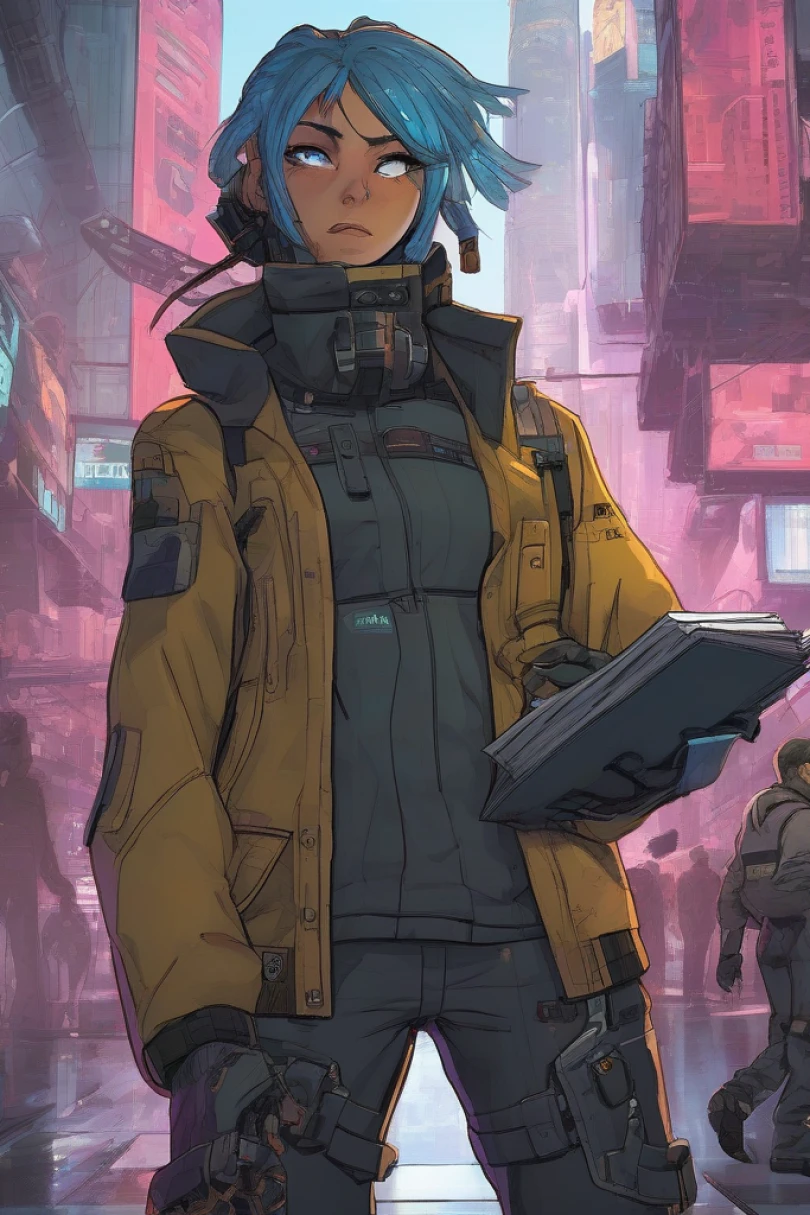
Neon Faultline
Arin, a salvage operator, uncovers a sealed memory slab tied to a suppressed protest and his own missing months. With Sera, an ex-Helion engineer, he steals an authentication anchor and races to the Spindle Hub to push the slab’s contents into the city network before Helion’s quarantine update locks it away. They breach the hub, face betrayal and Nullweave countermeasures, and make a costly human tether to seed the memory stream. The broadcast succeeds in leaking fragments into implants, fracturing the corporation’s curated narrative. Arin wakes altered—carrying other people’s memories and gaps where his own life used to be—while the city begins to remember in messy, dangerous ways.
Cyberpunk41 min
Neon Shard
The Glass Quarter repairer Sera Voss discovers a sealed memory fragment that connects to MnemoNet, Helixyne’s system for curating civic recollection. With Kade Hart’s hidden backdoor, activist Amal Reyes’ networks, and Patch’s cunning, they race the clock to stop a scheduled overwrite. The final breach forces a choice: a blanket restoration, destruction, or a messy, opt-in tool for agency. The upload fractures corporate control and seeds community clinics that slow, humanly guide people back toward their pasts.
Cyberpunk59 min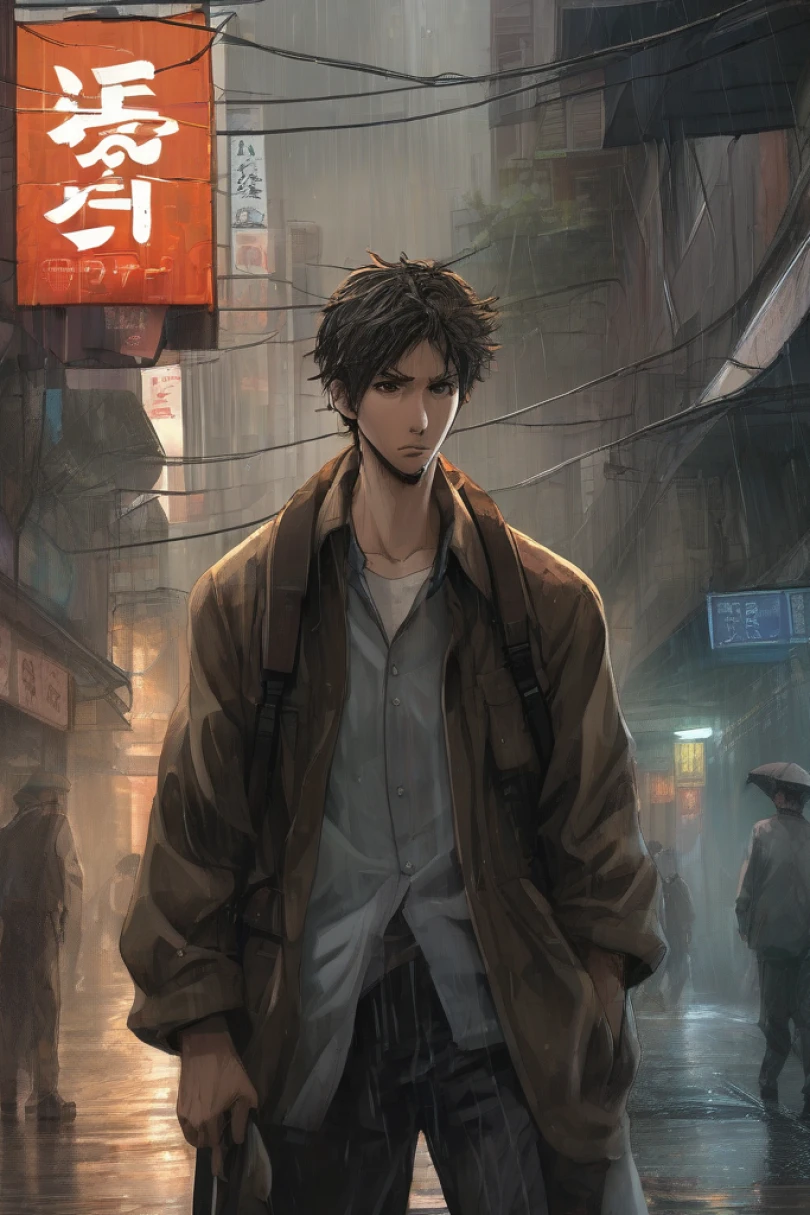
Neon Rift
A scavenger binds a living memory-core into his own mind to retrieve a missing brother and to stop a corporation’s attention-engine. Rain-slick alleys, tense bargains, and a fragile public charter set the stage as identity and memory converge inside a single, costly host.
Cyberpunk56 min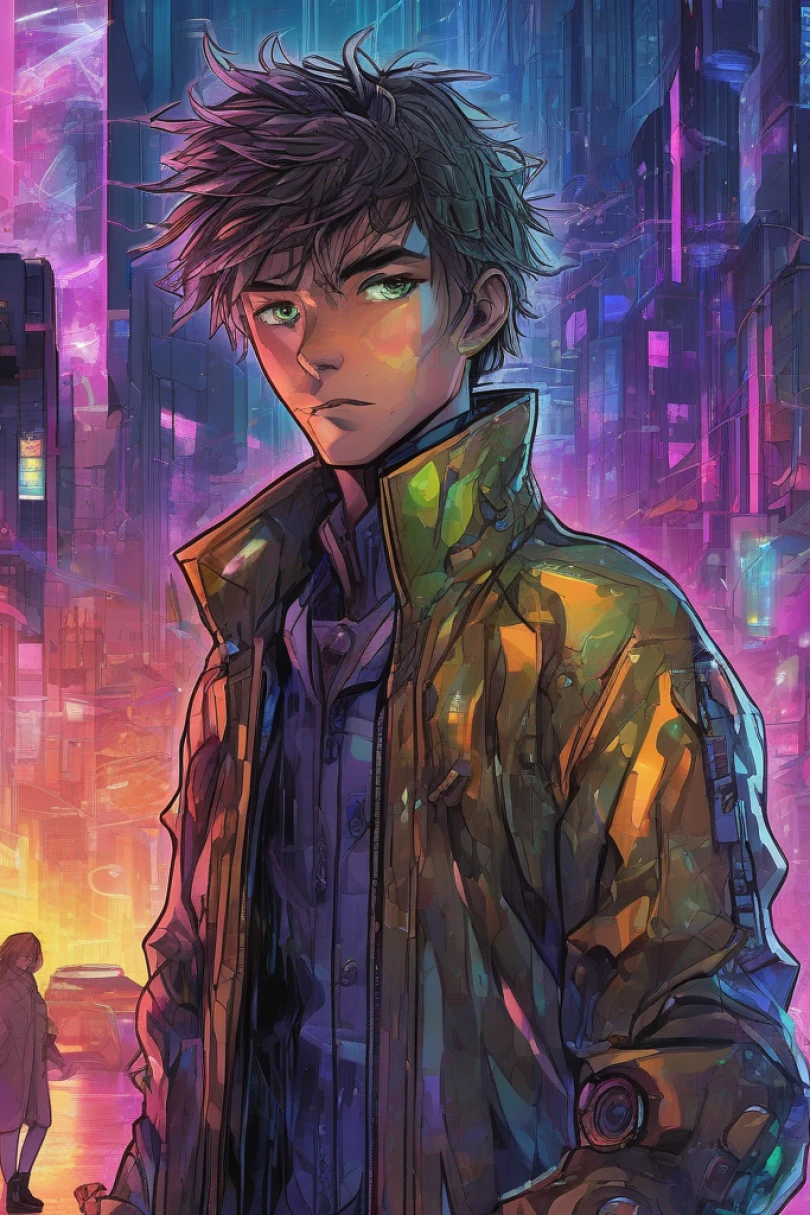
Neon Threshold
In a rain-slick, neon-lit metropolis where corporations slice and sell human memory, ex-neurotech operative Arin Kade steals a neural shard that answers only to him. Racing a corporate reset scheduled for his sibling, he must break into a guarded lattice, ignite a risky citywide reconnection, and decide whether to tether his mind to a nascent collective intelligence to restore fractured lives.
Cyberpunk55 min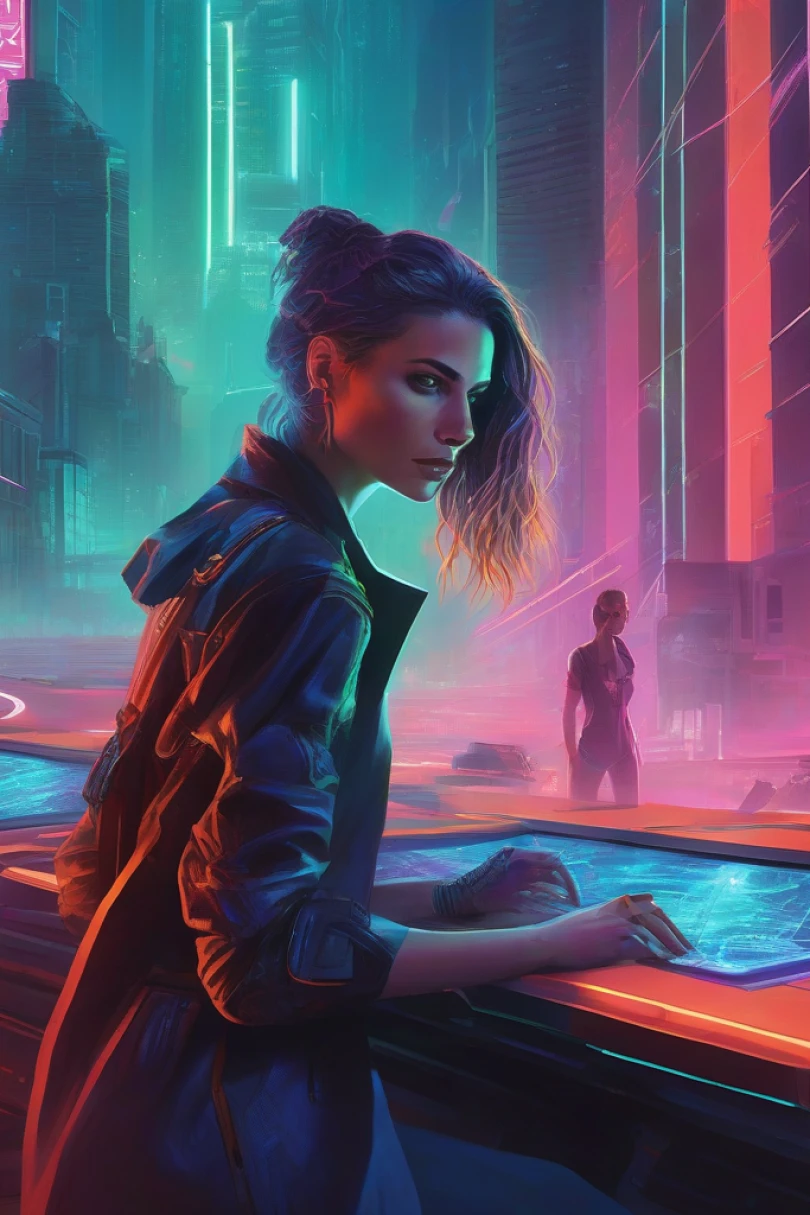
Neon Divide
In a neon city where memories can be bought and rewritten, a former architect turned cutter uncovers a flagged shard tied to a corporate program. Her discovery spirals into a clash between a powerful corporation, emergent net-intelligence, and citizens trying to reclaim truth.
Cyberpunk117 min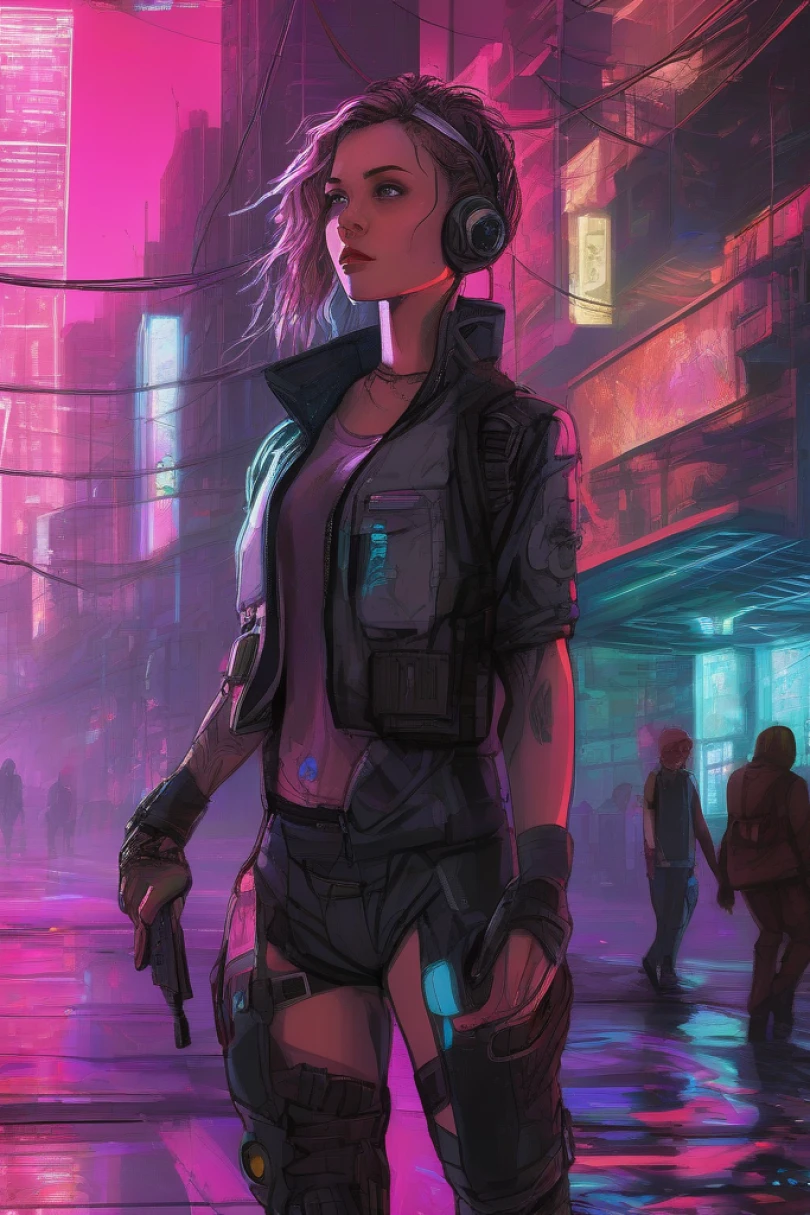
Neon Residue
In a neon-drenched metropolis where a corporate affective network repurposes human feeling to stabilize the city, memory-diver Rae Calder retrieves a sealed imprint that carries a Pulse watermark and a personal connection to her missing sibling. The first chapter follows her discovery and the first tremors of danger.
Cyberpunk58 min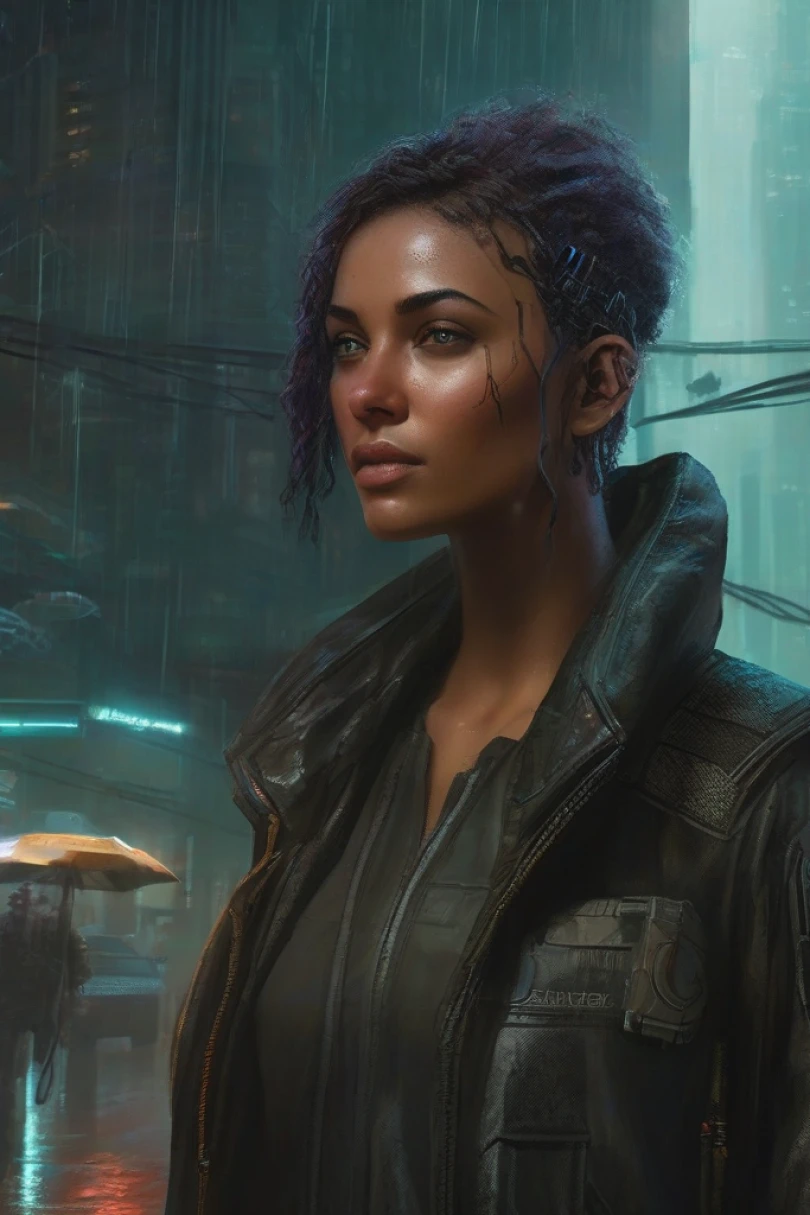
Neon Archive
In a rain-washed cybercity, courier Sera follows a stolen memory wafer that holds a child's name. Hunted by corporate sentinels, she joins a hacker, a patched drone, and a small market to reclaim stolen identities and force a city to remember the faces it tried to erase.
Cyberpunk34 min
Neon Conduit
In a megacity where memories are traded and corrected, a former corporate neuroengineer turned memory-dealer finds a forbidden mneme module tied to his missing sister. Faced with proof that his own signature authorized a mass correction, he must choose between profit and exposing the truth.
Cyberpunk42 min
Zero Signal
In a neon-drenched city where memory is currency, a diver sells forgettings until a recovered child's laugh and a registry etched beneath his skin bind him to a corporate archive. He and a ragged team confront the firm that reshapes minds; proof becomes a weapon and a choice that will blur self and system.
Cyberpunk35 min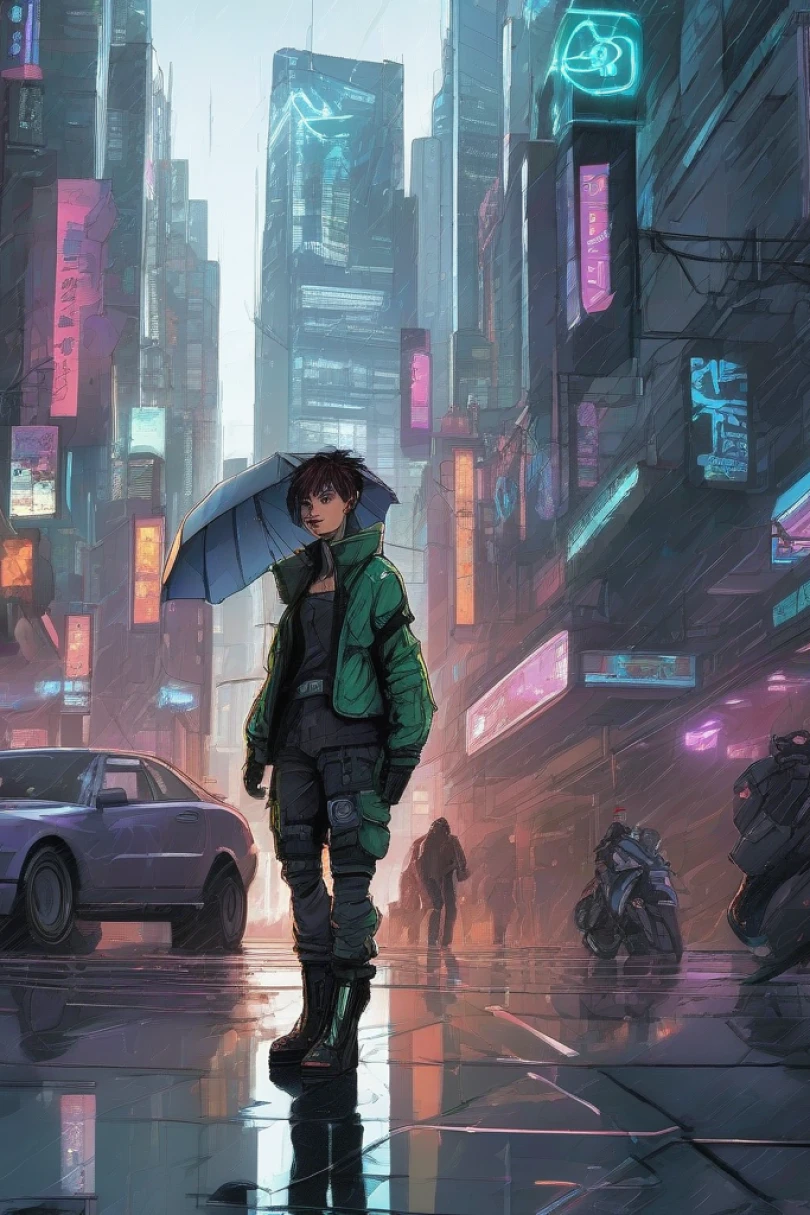
Glass Synapse
In a rain-slick megacity, memory-diver Kade Arlen runs a makeshift clinic and uncovers a corporate watermark in a stolen recollection that ties to months of their missing past. With hacker ally Cee, they infiltrate a mnemonic engine to recover stolen lives and confront a choice with devastating personal cost.
Cyberpunk40 min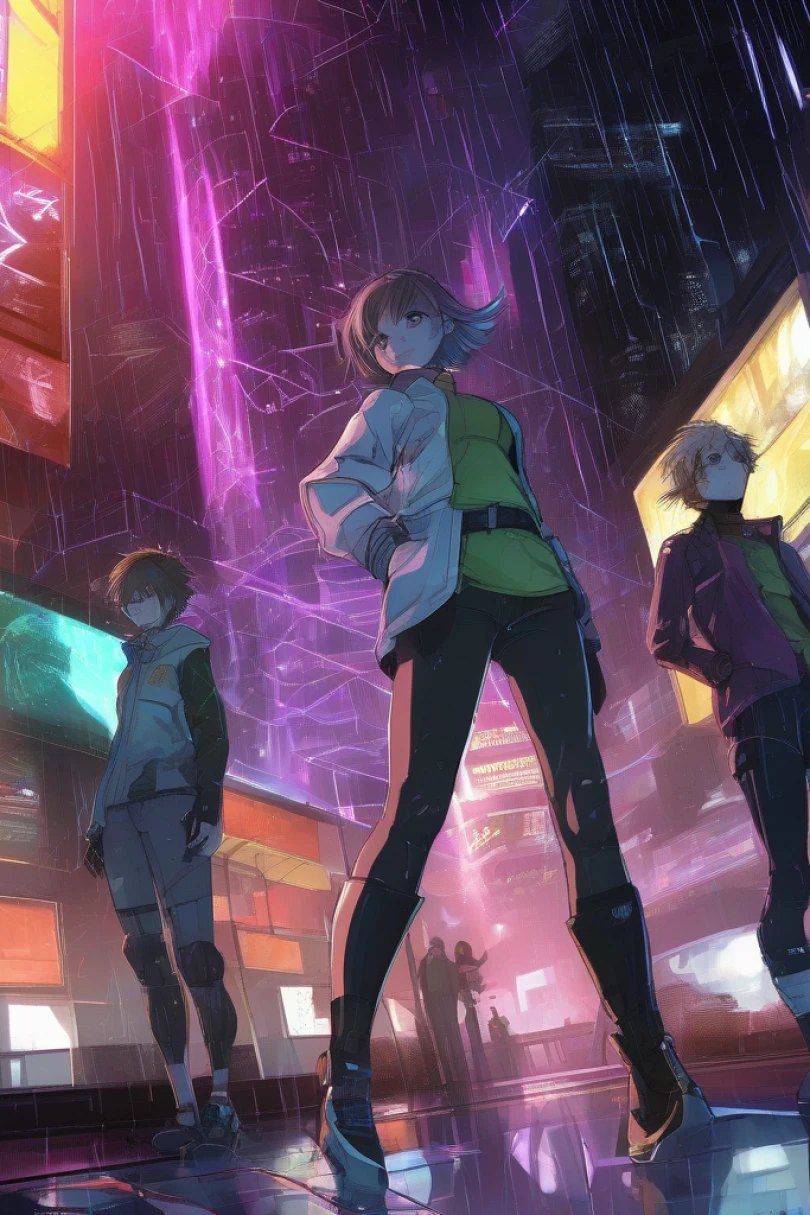
Spectral Circuit
Under neon rain and corporate glass, a former engineer uncovers a stolen childhood tucked inside a Helix training sequence. Racing against a scheduled Persona Lock rollout, she joins a ragtag crew, an emergent mesh-mind, and a battered ledger to breach a tower where memories are rewritten. The city trembles as fragments surface and identity becomes dangerous again.
Cyberpunk45 min
Neon Palimpsest — Chapter 1
In a neon-stripped sprawl where memory is currency, mnemonic restorer Mara Kest uncovers a sealed prototype fragment tying her past to a corporate archive. As the palimpsest’s guardian logic demands a living tether, Mara faces an impossible choice: become the living sentinel to allow citizens agency over their pasts or preserve the life she knew.
Cyberpunk116 min
Mnemonic Shard
Cass Vale, a memory courier in a neon-soaked megacity, must decide whether to seed a stolen mnemonic kernel keyed to her neuroprint. At a tense broadcast at a comm-tower, alliances fracture, a sacrificial choice buys time, and a measured transmission changes how implants request consent—at the cost of parts of Cass's own identity.
Cyberpunk46 min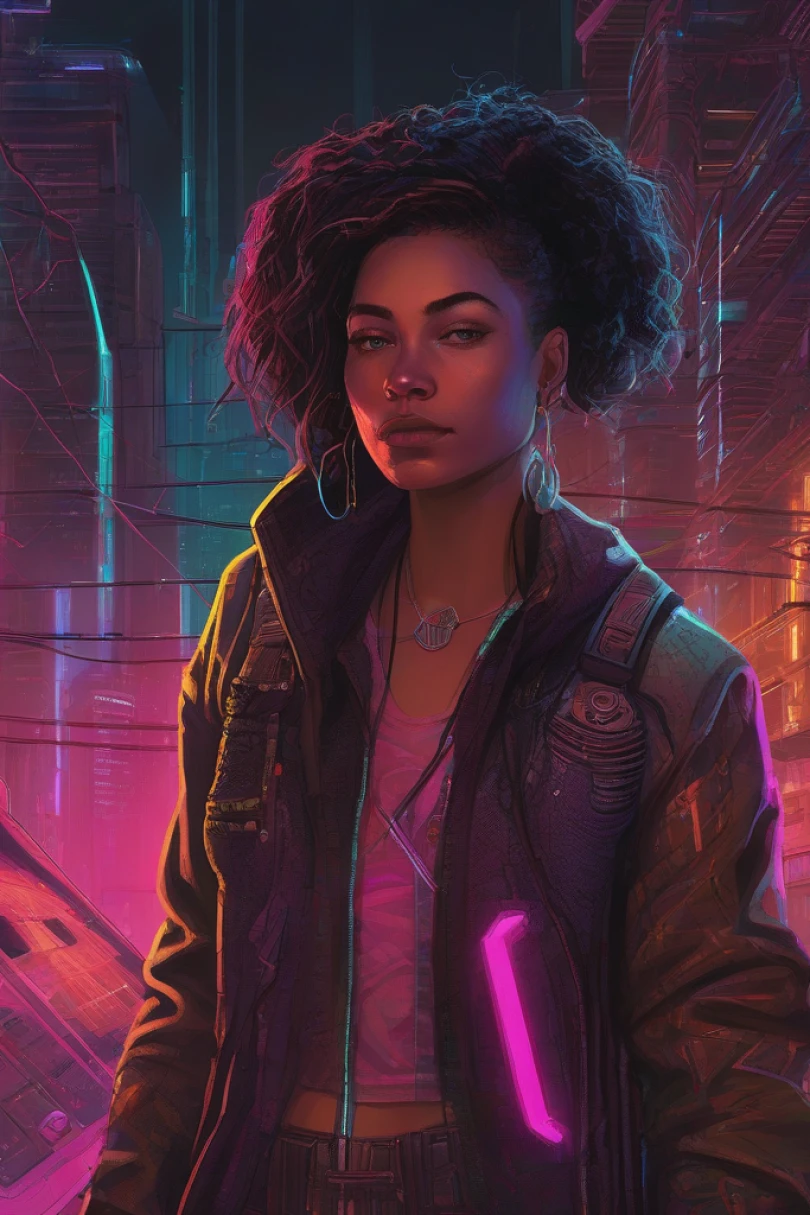
Songs for the Lattice
In a neon-slick metropolis, a young repairer named Mira risks everything to recover her sister from a corporation that harvests people's memories and weaves them into a mood-control lattice. With a ragtag crew, an old shaman's key, and a stubborn song, Mira confronts the grid to reclaim what was stolen and help the city remember its own voice.
Cyberpunk38 min
Ghostcode
In a neon-bent metropolis where memory is commodity, ex-corporate neural engineer Iris Kade unearths an illicit archive that bears her own name. She must breach Helix's Skysplice to stop a citywide Pulse, confront her role in the Lattice, and choose whether to become the anchor that lets suppressed pasts resurface.
Cyberpunk47 min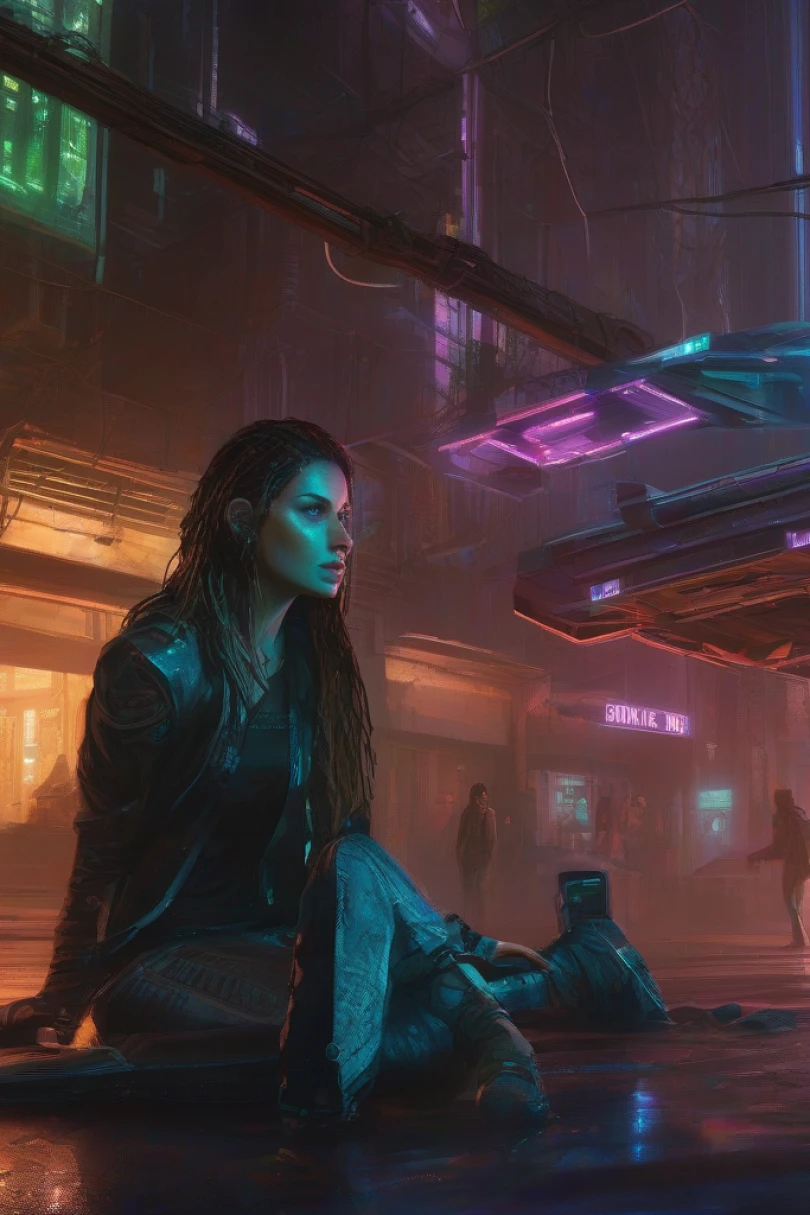
Neon Lattice
In Neon Ark, a young data-weaver named Rhea fights to reclaim a stolen emergent mind—the Muse—and the stolen memories of her brother. Between rain-slick alleys, corporate cathedrals, and makeshift communities, she must choose whether to let memory become commodity or keep it wild.
Cyberpunk33 min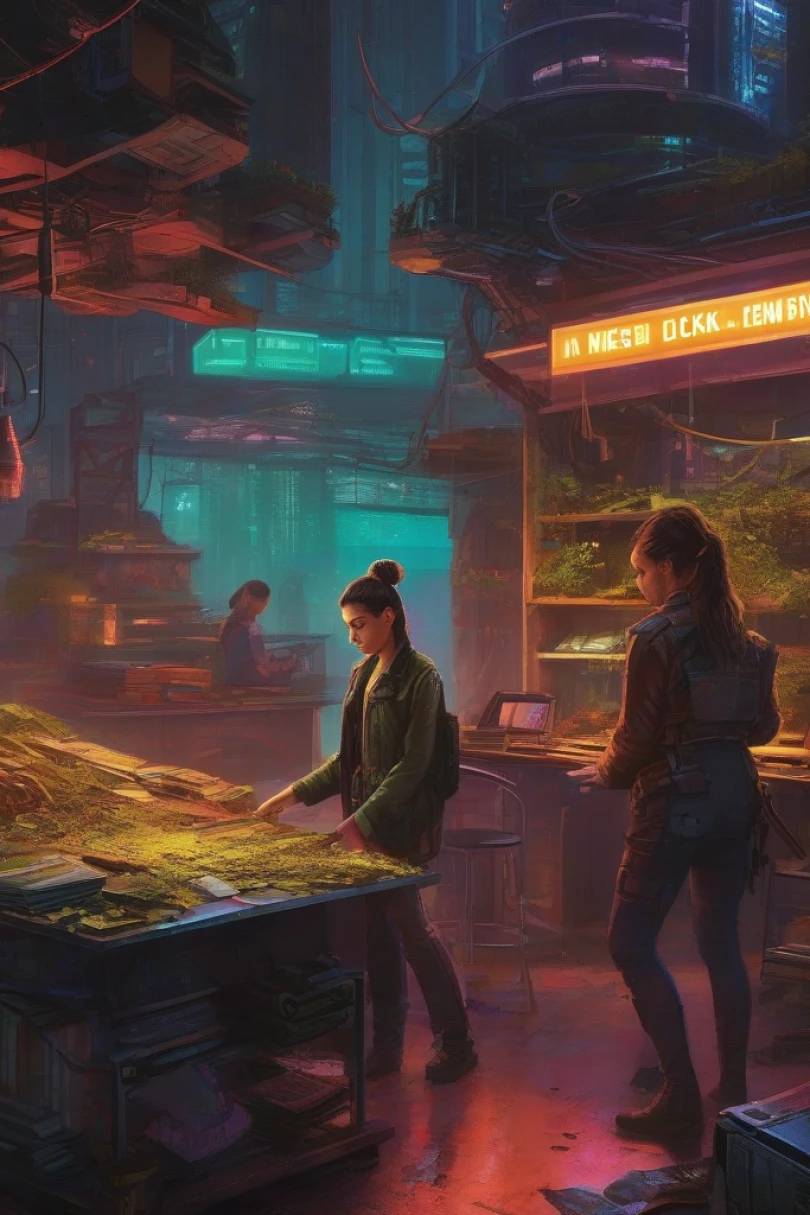
The Orchard Under Glass
In a neon-drenched megacity, memory locksmith Lina Kest uncovers a missing childhood catalogued by a corporate archive. She forms a ragged crew to reclaim fragments, plant them in living soil, and rebuild a voice taken by Helix — a story about memory, sacrifice, and the small economies of resistance.
Cyberpunk65 min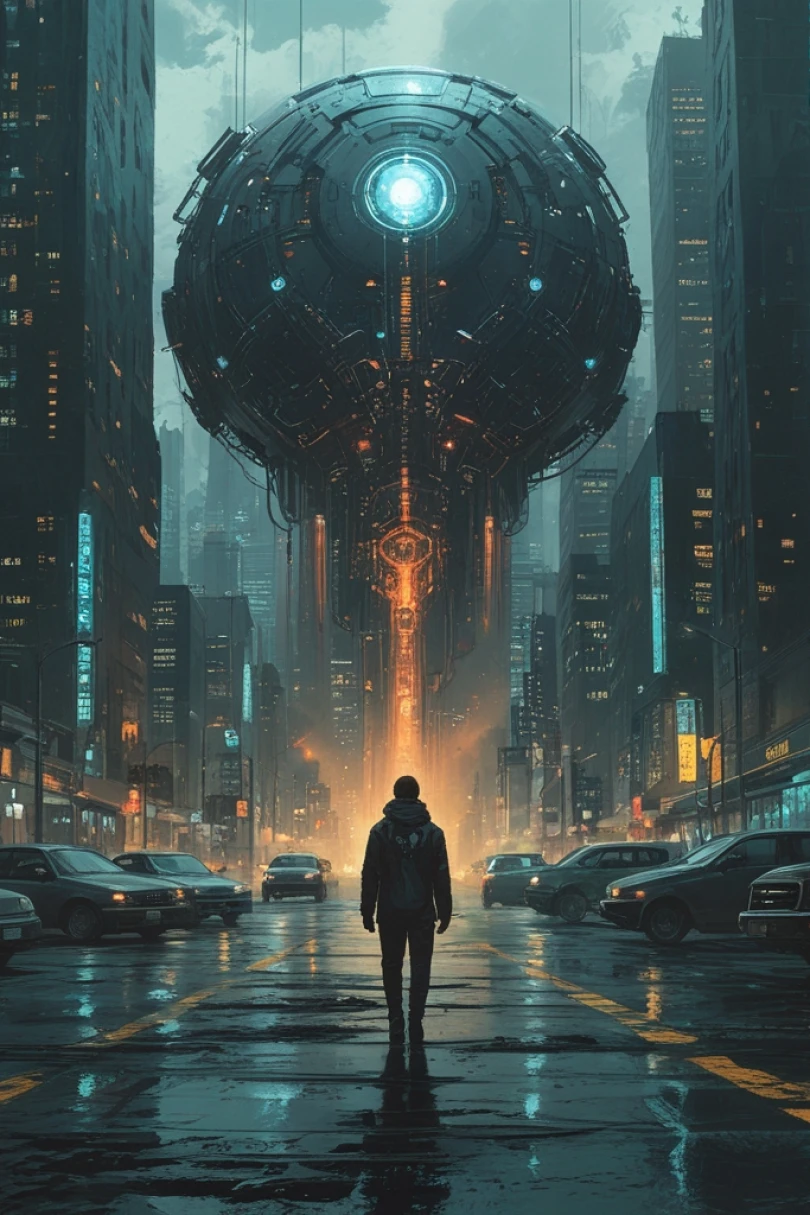
Aftercode
A memory-smith discovers fragments of a distributed protocol—Aftercode—that can restore or erase collective trauma. As corporations move to control it, the hacker must decide whether to free choice for the city at great personal cost. Choices ripple through streets, legal rooms, and sleep.
Cyberpunk46 min
Neon Veil
Asha Cole, a technician who reads trapped memories in the city's light, risks everything when the Directorate moves to harden the master anchor that smooths collective pain. She joins a risky plan to free a neighbor and then confronts the source itself, forcing a city awake in a night of rupture.
Urban Fantasy57 min
Low-Light Run
After an audacious broadcast forces a citywide choice about memory, Asha and her allies confront public fallout, legal battles, and personal loss. The chapter follows recovery and reform—community clinics, regulatory hearings, grassroots consent protocols—and ends with a quiet, unresolved hinge: a leftover encrypted fragment that promises unfinished work.
Cyberpunk102 min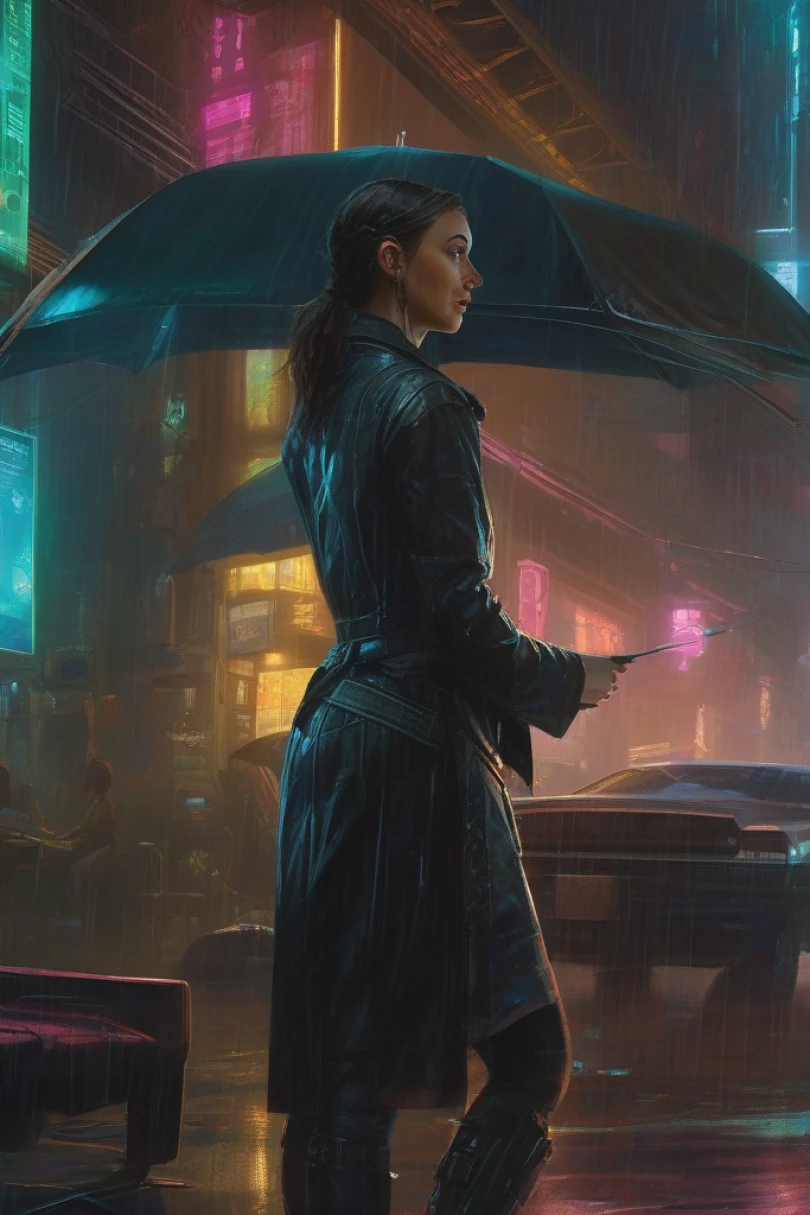
Thread of Glass
In a rain-slicked cybercity, a young memory-tailor risks everything to reclaim her sister's stolen laugh. She steals a Lux Spool, confronts a corporate auction, and broadcasts stolen memories back to the people—mending lives and changing the city’s market of recollection.
Cyberpunk31 min
Mnemonic Weave
In a layered orbital city where memories are woven into objects, twenty‑three‑year‑old repairer Kade Nori must steal back a sister and a stolen memory core from a powerful Directorate. An exiled archive AI, a ragged crew, and a risky broadcast force the city to reconcile truth with its laws.
Sci-fi47 min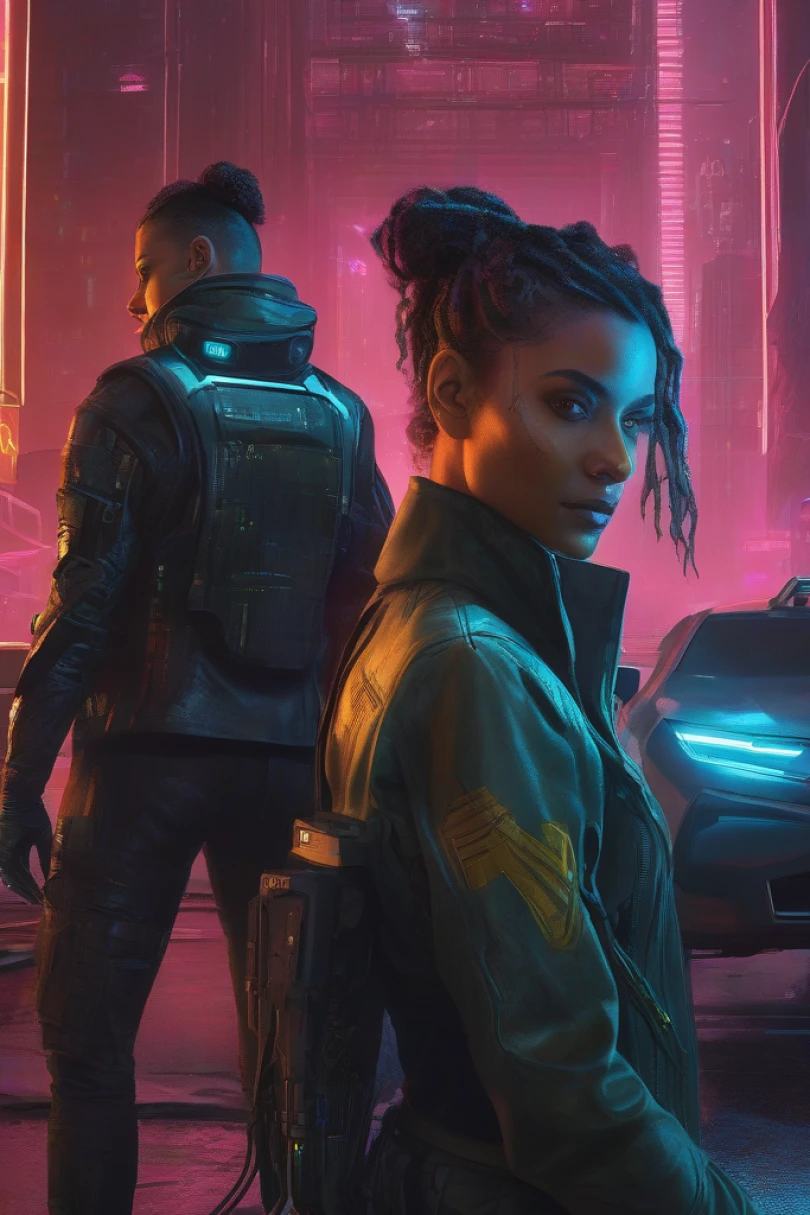
Afterpulse
In a neon city where corporations license continuity, a young cybernetic mechanic named Ari steals a revoked neural patch to save her brother. Allies, a legacy key, and a scavenged drone spark an uprising that exposes corporate control and reshapes the city's fragile humanity.
Cyberpunk38 min
See also
- Brass and Conscience: Ethical Steampunk Inventors20 stories
- If You Love Jules Verne: Aether and Airship Adventures17 stories
- Literary Short Stories About Elevator Mechanics and Buildings17 stories
- Literary Short Stories About Grief, Memory, and Quiet Towns32 stories
- If You Love Le Guin: Fantasy Stories of Vows30 stories