
Make It Look Expensive
Join the conversation! Readers are sharing their thoughts:
About the Story
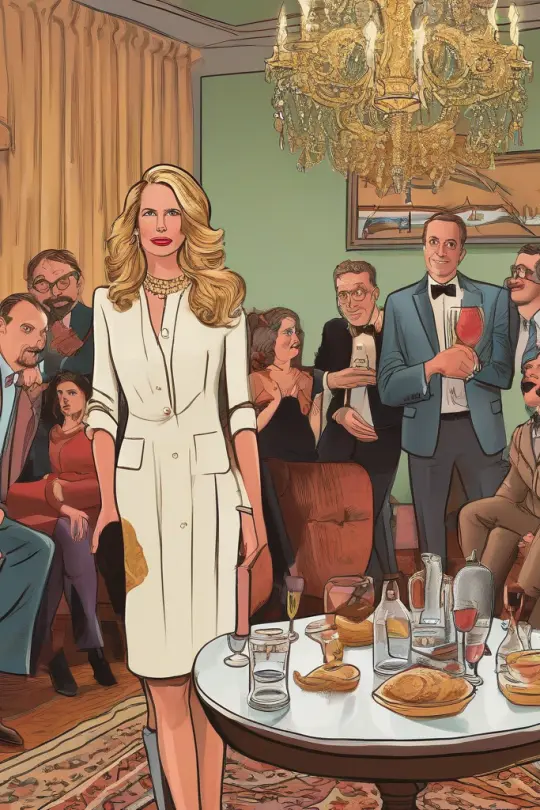
An anxious creative inflates her LinkedIn title and is accidentally hired to plan a CEO’s intimate gala. With five days, thrift-store hacks, a spoon chandelier, and a motley crew of neighbors, she races to turn panic into polish — and to keep a looming exposure from undoing everything.
Chapters
Related Stories
Booked and Baffled
A warmly chaotic afternoon at a small community center spins into an improvised variety hour when a retirement reception, a magician’s comeback, and a cat adoption fair collide. Owen, the scatterbrained manager, scrambles to hold together the mishaps, notable guests, and an anonymous viewer who might be an inspector, as volunteers and unexpected online attention reshape the event in unpredictable, touching ways.
Smoke, Mirrors, and Rubber Chickens
In a rain-slick small town, a perfectionist props master faces the arrival of a chatty automated stage system—Aggie—that promises flawless shows. As opening night for a regional festival nears, mechanical quirks and a firmware-driven hiccup force hands-on ingenuity. Tensions between automation and craft build in the cluttered backstage of the Sunnyside Playhouse where rosemary buns, knitted lamppost cosies, and a limerick-spouting bus conductor set a lively scene.
The Pancake Catapult of Puddlewick
When a famous chef steals Puddlewick’s Great Griddle and bans fun, ten-year-old tinkerer Lila Moone builds a pancake catapult, befriends a opinionated magic spatula, and challenges him in a flip-filled cook-off. With bees, rubber dots, and lemon-bright courage, she brings back laughter, syrup, and the griddle.
The Trophy That Walked Off
On a sunlit small-town green, June Baxter—fastidious events coordinator—loses the town’s ceremonial Cup just before the big anniversary. As the object becomes the heart of impromptu chaos, June must step into the crowd, speak honestly, and recover more than an artifact: a livelier festival and a new, unexpected tradition.
Pip Wren and the Whimsy Rescue
A light-hearted children's adventure about Pip Wren, a ten-year-old tinkerer from a seaside town. When officials seize the town's jars of Bubble-Essence, Pip and his friends must sneak, tinker, and charm their way to restore the festival and teach a stern inspector the value of a little mischief.
The Laughing Seed Heist
When a communal rooftop’s tiny Laughing Seed disappears, 23-year-old Mina leads an improbable, music-and-scones-fueled campaign to get it back. Brass kettles, robot cats, and an eccentric botanist collide in a comedic, heartfelt fight to save a home’s memory.
Other Stories by Dorian Kell
Frequently Asked Questions about Make It Look Expensive
What is the central conflict in Make It Look Expensive and how does it drive the comedy ?
Jenna’s fake LinkedIn title lands her a high-stakes gala. The scramble to deliver with no budget, eccentric neighbors, and a rival planner fuels awkward mishaps, witty improvisation, and escalating comedic tension.
Who are the main supporting characters and what roles do they play in Jenna’s success ?
Marco is the crafty handyman, Priya the passionate florist, Mrs. Benson the culinary backbone, Gary the exacting CEO, and Devon the rival — each adds skill, conflict, or comic relief to Jenna’s mission.
How does the spoon chandelier symbolize the story’s themes and comic tone ?
The spoon chandelier turns thrift into glamour, embodying resourcefulness and playful artifice. Its absurdity produces laughs while reinforcing themes of authenticity, improvisation, and found community.
Is the ending of the story a realistic resolution or more of a comedic payoff ?
The finale blends both: a believable emotional payoff where honesty and community win practical recognition, presented with comedic reversals that turn near-disaster into heartfelt triumph.
What practical event-planning hacks from the book could readers actually try in real life ?
Use thrifted items, repurpose cutlery or frames, layer inexpensive florals, prioritize lighting, rehearse logistics with friends, and recruit community cooks for authentic, budget-friendly charm.
Does Make It Look Expensive explore any workplace or social media critiques beyond its comedy ?
Yes. It satirizes performative credentials and corporate image-making, while probing how social media can both expose and amplify authenticity, and how honesty reshapes professional trust.
Ratings
Cute idea, annoying plausibility gaps. So Jenna’s LinkedIn headline gets her hired for a CEO gala with basically zero vetting? And we’re just supposed to accept that an in-house exec assistant dispatches a contractor for an intimate corporate event based on one late-night scroll? The five-day timeline feels manufactured — more like a device than a believable pressure cooker. I did like the spoon chandelier and the neighbor camaraderie, but overall it reads like a romcom setup that doesn’t do enough to justify its leaps. Fun in parts, but I wanted more realism or at least more stakes.
I appreciated the concept and some genuinely funny moments (the pizza-box centerpiece is inspired), but the story leans a little too hard on charm to cover over predictable plot beats. The five-day scramble structure is serviceable, but the pacing stumbles in the middle: we get quick montage-feel repairs and then a jump to the big reveal without enough development of the relationships that are supposed to feel earned. The looming exposure threat also never quite pays off — it reads more like a tension checklist item than a source of real consequence. Still, Jenna herself is a compelling protagonist and there are enough heartwarming set pieces to make this worth a read if you’re in the mood for light comedy.
I adored this. Make It Look Expensive is funny in the exact places it needs to be — the ridiculousness of corporate language versus real-life hustle, the absurd faith someone put in a LinkedIn headline, and the slow-build affection between Jenna and her ragtag crew. Jenna’s inner monologue about performance vs. sincerity felt painfully real; who among us hasn’t tried to stage an identity online and then scrambled to live up to it? Scenes like the pizza-box centerpiece and the spoon chandelier are not only inventive but speak to the book’s larger argument: polish is often about confidence and context, not price. The pacing is brisk; the five-day clock gives momentum without feeling forced. And the stakes, emotional more than professional, keep the story grounded — the looming exposure is less a plot device and more a mirror to Jenna’s real fear of being unmasked. Funny, warm, and surprisingly tender. This felt like getting a hug from a friend who makes you laugh and then hands you a tape gun to fix your life. Highly recommended.
Delightfully understated and observant. The opening line — about making improbable things look staged — sets a tone that the rest of the story honors: playful craft paired with small anxieties. The prose is economical; scenes like Jenna balancing tablecloths for scale or negotiating with an executive assistant feel vividly specific without bogging down. The comedy comes from character choices rather than contrived jokes, and the found-family theme lands gently. I appreciated how authenticity is explored not as perfection but as improvisation. A pleasing, low-stakes comedy with genuine heart.
This was such a fun little ride 😄 Jenna’s LinkedIn glow-up (and the self-described "strategic downtime" nap) had me grinning from the first paragraph. The thrift-store hacks are the star here — pizza boxes as art? Genius. The spoon chandelier made me want to raid my kitchen for décor supplies. I loved the found-family energy of the neighbor crew; they felt like that chaotic, reliable team you only get in stories but wish existed in real life. Light, witty, and sincere — perfect commute read. Would absolutely recommend if you want something quirky and heartwarming.
Clever premise and tight comedic setup. The story nails the mechanics of a high-concept scramble: headline inflation on LinkedIn, an unlikely contract, and five days to pull off something that looks expensive on a thrift-store budget. Structurally, the countdown beats are well-placed — the burnt-coffee Tuesday opening, the mid-point panic on the rooftop, and the final reveal with the spoon chandelier — all serve to escalate stakes in a tidy way. Character work is strongest with Jenna; her particular blend of anxiety and showmanship feels authentic, and the neighbors are sketched efficiently but memorably. If I have one critique, it's that some secondary characters remain a bit schematic, but that’s a small quibble in an otherwise sharp, funny read. Great for anyone who enjoys comedies about improvisation and the theater of appearances.
Make It Look Expensive is one of those rare romps that made me laugh out loud and then quietly tear up two paragraphs later. Jenna is written with such warm, messy humanity — I loved the image of her balancing thrifted tablecloths on her head (I literally laughed) and the pizza-box centerpiece scene is the kind of glorious “commitment to an aesthetic” moment that stuck with me. The spoon chandelier reveal is peak improvisational theater and the motley crew of neighbors felt like real people who’d slide into your group chat at 2 a.m. The ticking five-day deadline actually creates tension without turning the book into a thriller; it’s more about the emotional stakes — whether Jenna will be exposed, and whether she’ll let people in. The humor is smart and the payoff is sincere. A sweet, witty little comedy about authenticity, hustle, and found family. I loved it.