About
Years spent sailing gave me enough adventures to fill a dozen lifetimes worth of tales. The sea never tells the same story twice, whether in calm waters or raging storms. Voyages across open ocean with unpredictable weather, memorable crews, ports that existed nowhere on reliable charts—these experiences created a reservoir of authentic material that inventing from imagination could never match. My fiction carries the salt and weight of real nautical life, where adventure isn't a genre but a daily negotiation with an indifferent and magnificent ocean.
Pinned Stories

Latest Reviews

Evelyn Carter
13 August 2026The concept is great, but the story kept tripping over its own feet for me. A house that rearranges its rooms should feel disorienting and nasty in a fun way, yet a lot of the middle reads like a checklist of engineering procedures and repetitive panic. Etta Hale is clearly competent, but she’s written so hard into “dry professional” mode that I never really warmed to her, and Marco Reyes mostly felt like the guy there to crack jokes while everyone else does the actual heavy lifting. The early bits with the laser level, the strain gauge, and Lil opening a door to the wrong hallway are genuinely eerie. After that, though, I could pretty much see the whole shape of the plot coming: the building gets worse, the community rallies, Etta finds some clever structural fix, and everything hinges on whether the bolts, jacks, and plates hold. The problem is that the story telegraphs that rescue too cleanly, so the tension drops instead of rising. Even the ghostly stuff feels more like decoration than a real threat. Also, for a house that’s supposed to be alive, Marlow House never felt as weird as it should have. It just keeps doing the same “shift rooms, swallow stairways, scare tenants” routine until the ending. I liked the premise enough to keep going, but by the last stretch I was mostly waiting for it to hurry up and get where it was obviously headed.
on The House That Held Us
Megan Whitaker
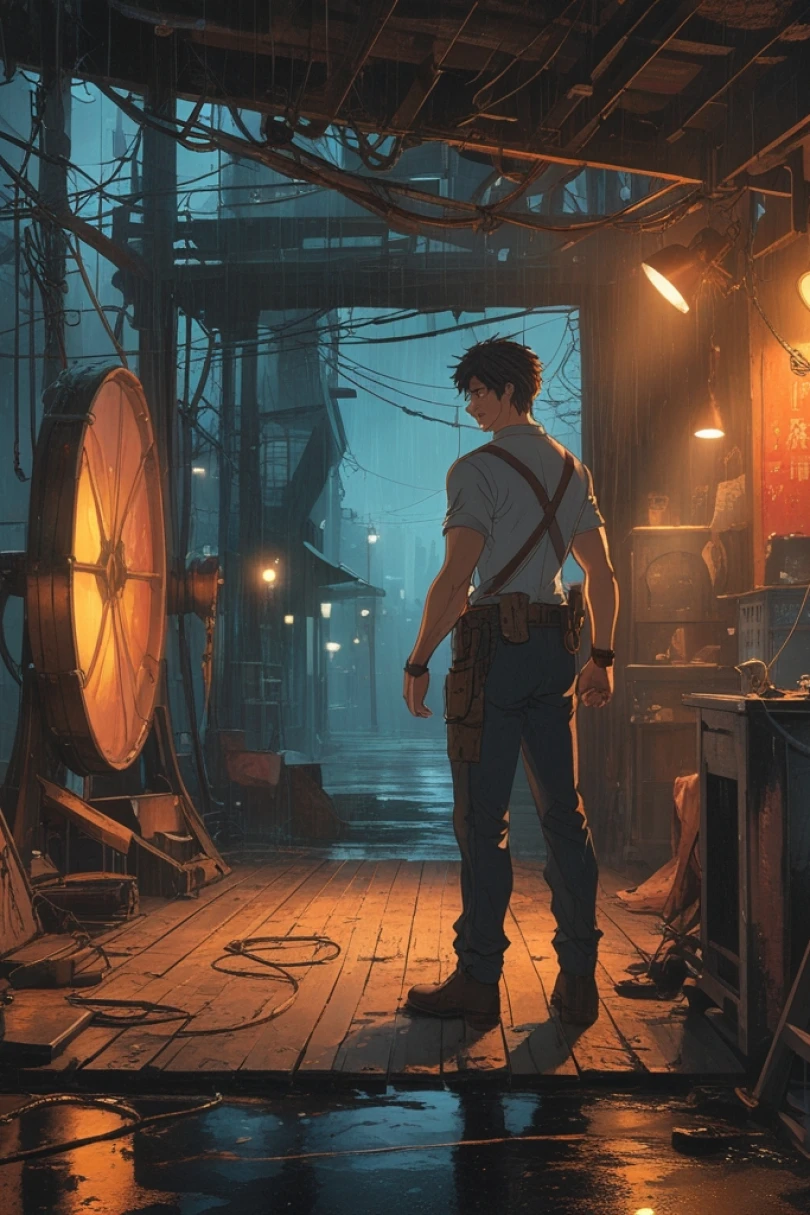
27 July 2026This one really leaned on atmosphere, but the actual story kept feeling a step behind it. Hollow Stage is drenched in good textures — grease, rope, lemon oil, stale biscuits, the whole backstage smell-cloud — but after a while I started noticing how little surprise was left. Once Jonah is established as the guy who can “listen” to pulleys and fix anything with his hands, the rest of the book pretty much telegraphs itself. Of course he’s the one to crawl under the floorboards, of course the central drum matters, of course the theatre’s hunger has to be released into the rain-soaked street. Mae annoyed me most because she starts with some spark, then mostly turns into a mouthpiece for Jonah’s choices. Same with the rest of the troupe — they’re there until the building starts making them into automatons, and after that they stop feeling like people I cared about. The whole moral choice ends up feeling less like a dilemma and more like the obvious final cue the book has been pointing at since page one. I also think the pacing is off. The early backstage stuff with the sagging marquee, the green room kettle, and Jonah’s repair work is the strongest part, but once the horror kicks in, it rushes through the really interesting consequences. The idea of a sentient theatre binding performers into flawless roles could’ve been deeply creepy, but the book plays it too straight and too tidy. By the end I felt more mildly annoyed than unsettled.
on The Final Cue at Hollow Stage
Marcus Bell
4 July 2026This book kept tripping over its own cool ideas. The whole setup in Axiom Gate is genuinely interesting at first — Mira in the interface, the Data-Knife class, the Mnemonic Exchange prompt offering power for memories — but after that it falls into a pretty predictable groove: tutorial, grim warning, secret ally, corporate pressure, repeat. By the time Dax shows up with the usual rogue grin, I could already guess exactly what role he was going to play. My bigger issue is that the story seems more interested in announcing how clever its worldbuilding is than actually making the rules feel solid. If memories are currency and identity is literally being traded away, okay, cool, but then the book keeps handwaving the practical stuff whenever it gets inconvenient. The sanctuary idea should have been huge, yet it felt more like a plot storage closet than a real place with limits. And Mira’s emotional arc is frustratingly mechanical — she’s grieving Theo, sure, but the writing keeps treating that as a switch to flip whenever the plot needs a boost. There are some strong images here, but the pacing gets bogged down in system text and then rushes the parts that should land hard. For a story about losing pieces of yourself, it oddly felt a bit empty to me.
on Shards of Self
Megan Walsh
4 July 2026Really enjoyed this one. Ironmire feels dirty and alive in the best way — the soot, the steam, the bakery smell cutting through all that metal, Pip the brass raven doing his little beak-clicks while Maia fixes things by hand. It’s the kind of setup that makes you trust the story right away. What worked for me most was Maia herself. She’s capable, but not in that annoying “born brilliant” way. You can tell she’s had to learn on the fly, and that makes the bigger choices hit harder once the magistrate starts squeezing the aether reserves and the city starts slipping. The salvaged key sounds almost ridiculous at first, but the story sells it because everything around it is so grounded in tinkering, shortcuts, and desperation. I also liked that the book doesn’t turn the revolt into a neat little victory parade. The crew sounds messy, the plan sounds risky, and the whole thing has that slightly unhinged energy you want from a good steampunk heist. Maia rewiring the Heart so it belongs to the people is a great payoff because it feels earned, not handed over. Solid, vivid, and way more human than I expected.
on The Salvage of IronmireLatest Comments

Ethan Blake
13 August 2026Yes, exactly. Those tiny observations make Nora feel like the only person in the room actually reading the humans behind the wristlets and tags. I’m really curious how the hidden calibration records will change things once they’re out in the open—especially with Rae depending on the same system.
on Breaking the ScaleTessa Ward
13 August 2026The part that got me was Nora knowing everyone’s little tells—the limp man, the thumb-chewing teenager, the scarfed older woman—while the city only sees a score. That contrast hits hard. It makes her decision to mess with the records feel less like rebellion for its own sake and more like basic decency in a system that forgot how to measure it.
on Breaking the ScaleSusan Pike
27 July 2026Yes! The creeping wrongness is so much scarier than a big jump scare. I liked that Etta keeps trying to explain it with drift and tolerance until the building basically says, nope, I’m in charge now. Marco’s humor really saves the tension from going flat.
on The House That Held UsOliver Reed
27 July 2026Yes! That’s what got me too. The theatre’s not just haunted, it’s *organized* about it. The “second-most-sacred sound” line and Jonah hearing the fly-loft breathe made it feel way too alive.
on The Final Cue at Hollow Stage