About
Traveling has always been my greatest teacher, leading me through adventures that seemed too strange for reality. Philosophy sneaks into my tales when you least expect it. Years spent navigating foreign cultures, learning to communicate across language barriers, and discovering that home looks different after you've been away taught me lessons about human nature, adaptability, and meaning that academic philosophy only discusses theoretically. My narratives blend adventure with unexpected wisdom earned through displacement and discovery.
Pinned Stories




Latest Reviews

Caleb Morgan
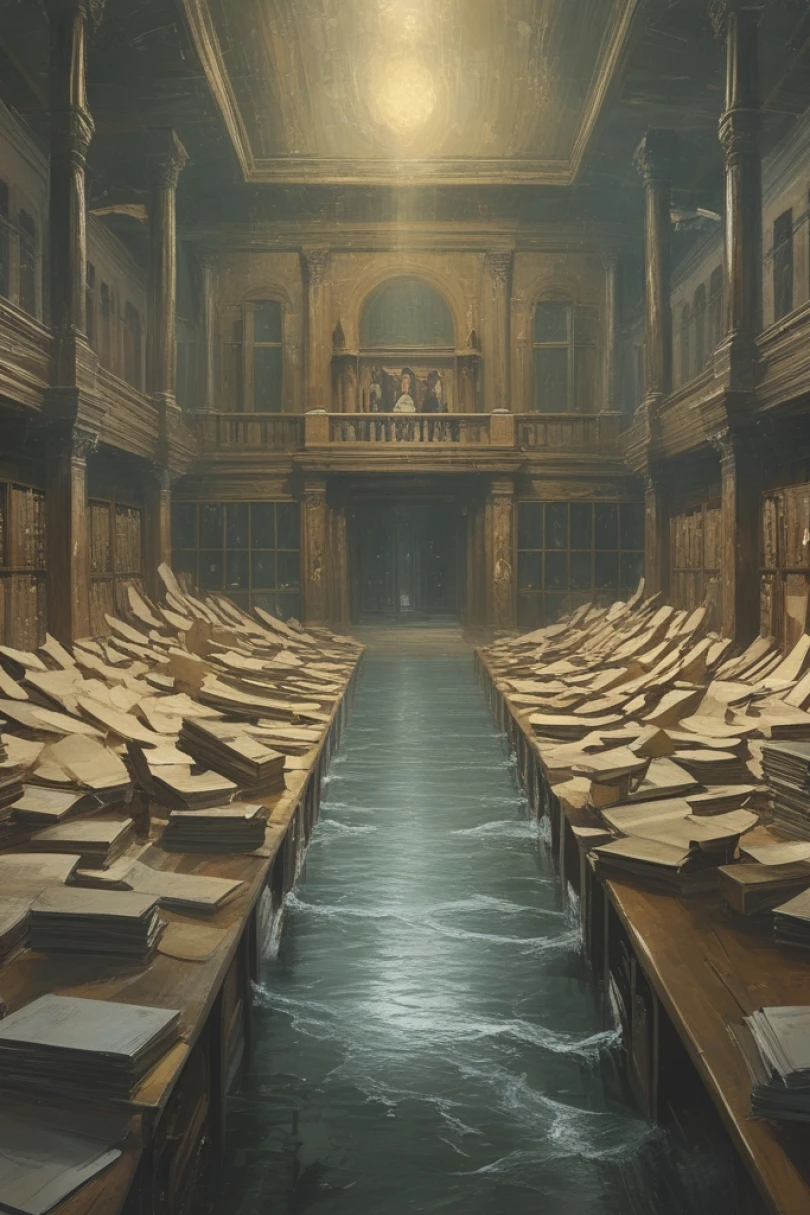
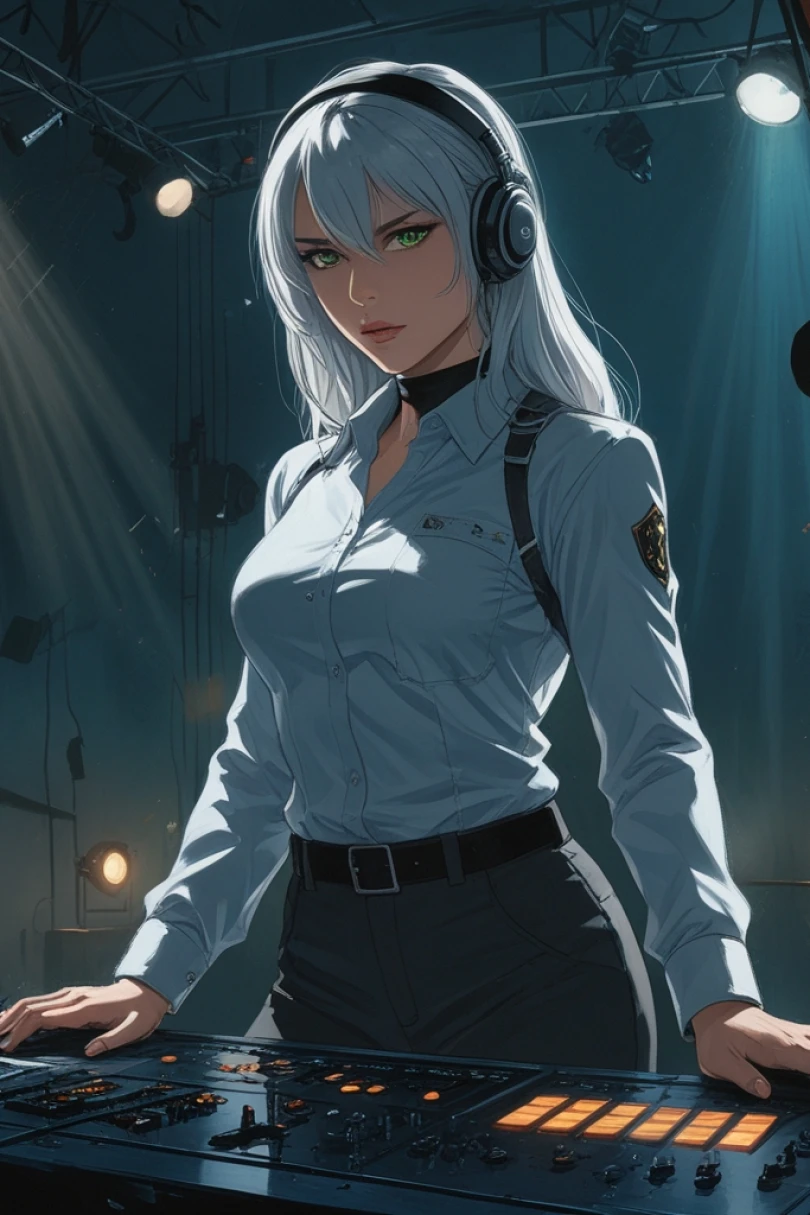
13 August 2026This one surprised me in the best way. I went in thinking it would just be a straightforward theater mystery, but Rae Calder makes it feel way more personal than that. The way she reads a damaged shackle like other people read a face is honestly the coolest part of the book. She’s not some genius detective dropping clues out of nowhere — she notices because that’s her job, and because she knows what a safe rig is supposed to look like when it’s *not* safe. The theater setting also really works. You can practically smell the burnt rope and dust in the fly space, and the whole place feels like it’s one bad decision away from another disaster. Harlan Bishop came off exactly like a guy who cares more about opening night than the people keeping the place standing, which made him frustrating in a believable way. And I liked that Sgt. Malik Arroyo wasn’t written as the usual stubborn cop who ignores the expert; he actually lets Rae be useful. What stuck with me most, though, was the moral tension. Rae isn’t just chasing who tampered with the hardware — she’s also deciding how much truth to blow open and what that’ll do to the people still working there. That gave the whole thing more weight than I expected. Solid, tense, and really grounded.
on Backstage Frequencies
Megan Clarke
7 August 2026This book is all guts and grease in the best way. Etta Kade is such a satisfying lead because she doesn’t feel like a “chosen one” or whatever — she feels like the person in town everyone quietly depends on when things start going wrong. I loved how the story treats her craft seriously: the labels on her pin boxes, the tuned-up bell over the shop, the way she can hear trouble in a corroded drum before anybody else even sees the problem. That stuff sounds small, but it makes the whole valley feel lived in. And then, boom, the sluice gate starts failing and suddenly all those little details matter. The repair sequence was tense without turning into action-movie nonsense. No magical fix, just sweat, improvisation, bad timing, and Etta having to trust her own hands while the water keeps rising. Marin Tully is a great foil too — practical, blunt, and exactly the kind of person you want nearby when panic starts spreading. Even Sprocket gets a couple of perfect moments of chaos. What I liked most is that the book seems to understand that survival is often just competence plus stubbornness. Hollow Ridge feels real, the villagers feel messy and human, and the ending has that quiet kind of payoff that sticks with you.
on The Locksmith of Hollow Ridge
Derek Collins
4 July 2026This book has a really cool habit of making everything feel alive without turning it into big flashy poetry for its own sake. The Cartographic Loom, the tesserae, even Axi-7 clicking under Rin’s shirt — it all gives the story a very specific texture. I liked that Rin isn’t some fearless space captain type; she’s a twenty-two-year-old who listens too hard, worries too much, and still ends up doing the brave thing anyway. That made her believable. What worked best for me was the way the story treats maps as something more than tools. Once the mapseed shows up, the whole conflict stops being “who gets the shiny object” and becomes a question of who gets to decide what a route is for. That sounds nerdy, maybe, but it actually made the chase and the bargaining way more interesting than I expected. Eda has that calm, seen-it-all energy, and Miri brings just enough bite and humor to keep the crew from feeling like cardboard cutouts. Also, the Silenced Expanse is a great name. It immediately made me want to know what was hiding there, and the book keeps that tension going without over-explaining everything. By the end, I felt like the characters had actually earned their little found-family unit instead of just being sorted into one because the genre demanded it. Solid, smart sci-fi.
on The Star-Song Cartographer
Sophie Caldwell
13 June 2026The thing that got me was how lived-in everything feels from the first page. Ari’s workshop on Level Fifty-Three, the smell of solder and ozone, Jonah half-awake under the bunk, Nix blinking on a coil like some tiny stubborn pet — it all makes the city feel real before the plot even kicks in. And then the story starts pulling at those details instead of just decorating with them, which I loved. Ari is a great lead because she’s not some flashy chosen-one type. She’s just smart, tired, and practical, which makes it hit harder when she steals the revoked neural patch to save Jonah. That choice feels risky in the right way. I also really liked how the corporate world isn’t just “evil company bad” — the whole continuity system, the licensed bodies, the way people’s lives are literally controlled through updates and permissions, that stuff is creepy because it feels plausible. What surprised me most was how much heart there is under all the neon and hardware. Nix could’ve been just a cute drone sidekick, but it ends up being one of the most memorable parts of the book. The alliance-building, the legacy key, the slow pressure building toward the uprising — it all clicked for me. Even the courier in the opening scene felt important in hindsight, like every small encounter mattered. Really solid cyberpunk with actual emotion behind it.
on AfterpulseLatest Comments

Simon Price
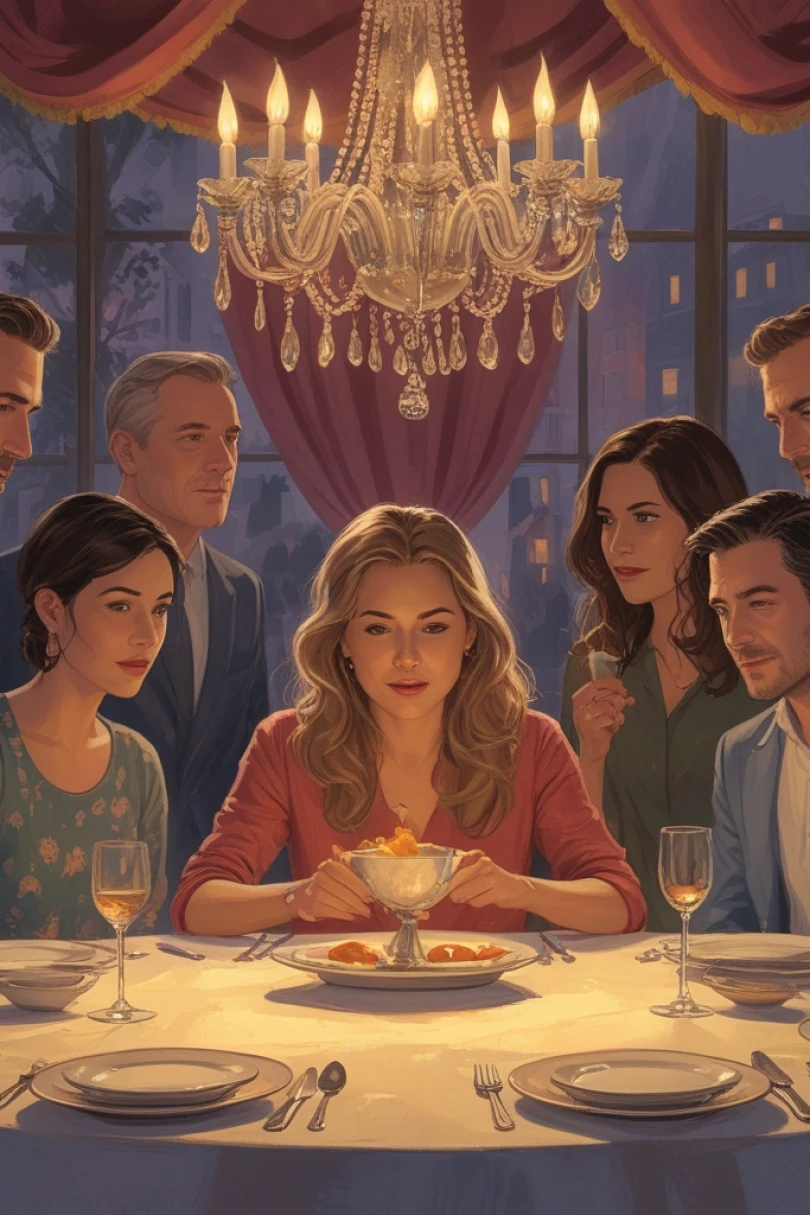
13 August 2026Yes! That line about “seasoned vintage charm” got me too — Jenna’s basically a magician with other people’s expectations. I’m really curious if the neighbor crew ends up saving the gala more than any actual professionals would.
on Make It Look Expensive
Priya Whitfield
13 August 2026Yes! And that contrast between the battered old loom and the corporate memory economy is what makes it sting. It feels like Kira’s shop is one of the last places where people can still choose what parts of themselves get repaired instead of auctioned off.
on Thread of Glass
Ben Carter
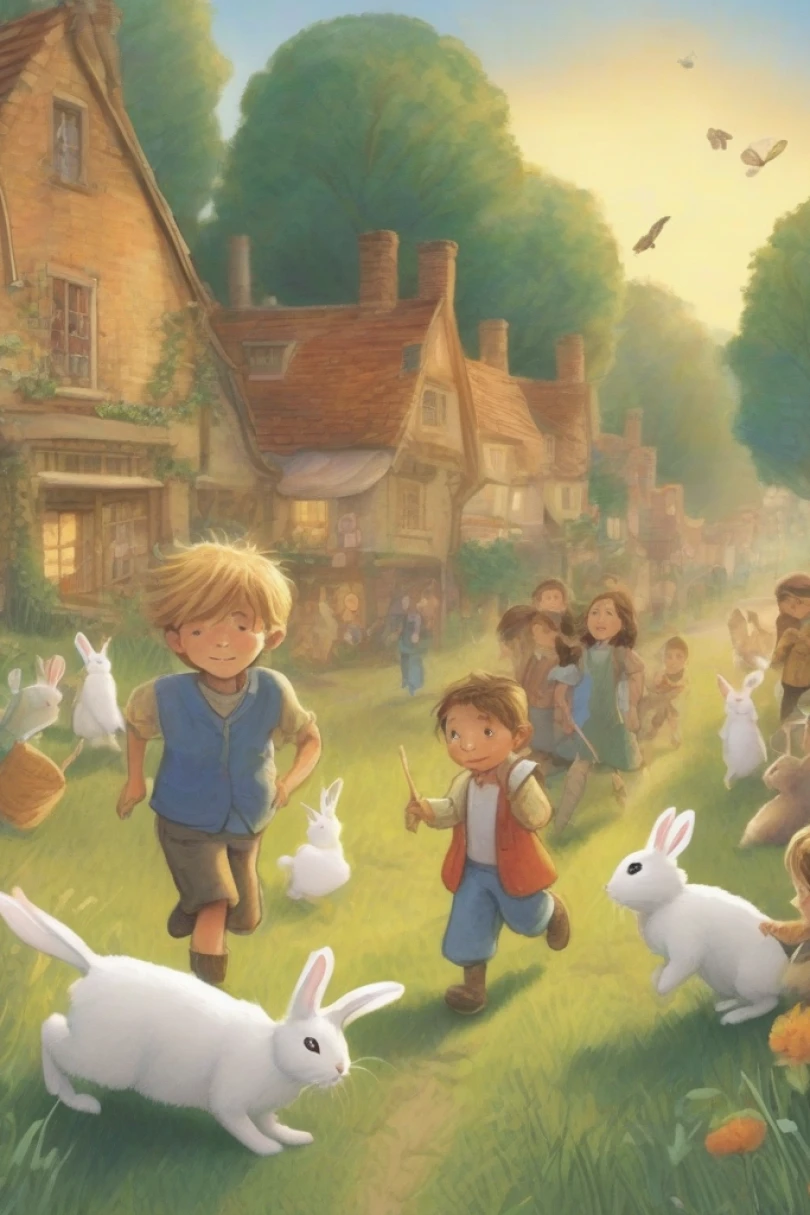
13 August 2026Yes! The tin detail is what made it land for me too. It feels like Nora’s already doing the work of mending before she even knows what’s broken, which is so lovely. I’m really curious how the moonlight rails and the Moonflower will help her track the missing dreams.
on Nora and the Lullaby LineDerek Holloway
13 August 2026What got me was how the story makes the city’s greed feel so ordinary—like a drone scanning shoes, a warranty-chip behind the ear, and memory-thread sold right above a noodle stall. Kira isn’t just mending clothes; she’s basically doing underground emotional engineering. The line about life not asking permission to be meaningful hit hard.
on Thread of Glass