About
Clockmaking taught me that time moves in predictable patterns while still holding surprises for those who pay attention. Suspense builds naturally when you understand how to control the pace at which information reveals itself to readers.
Latest Reviews

Jenna Wallace
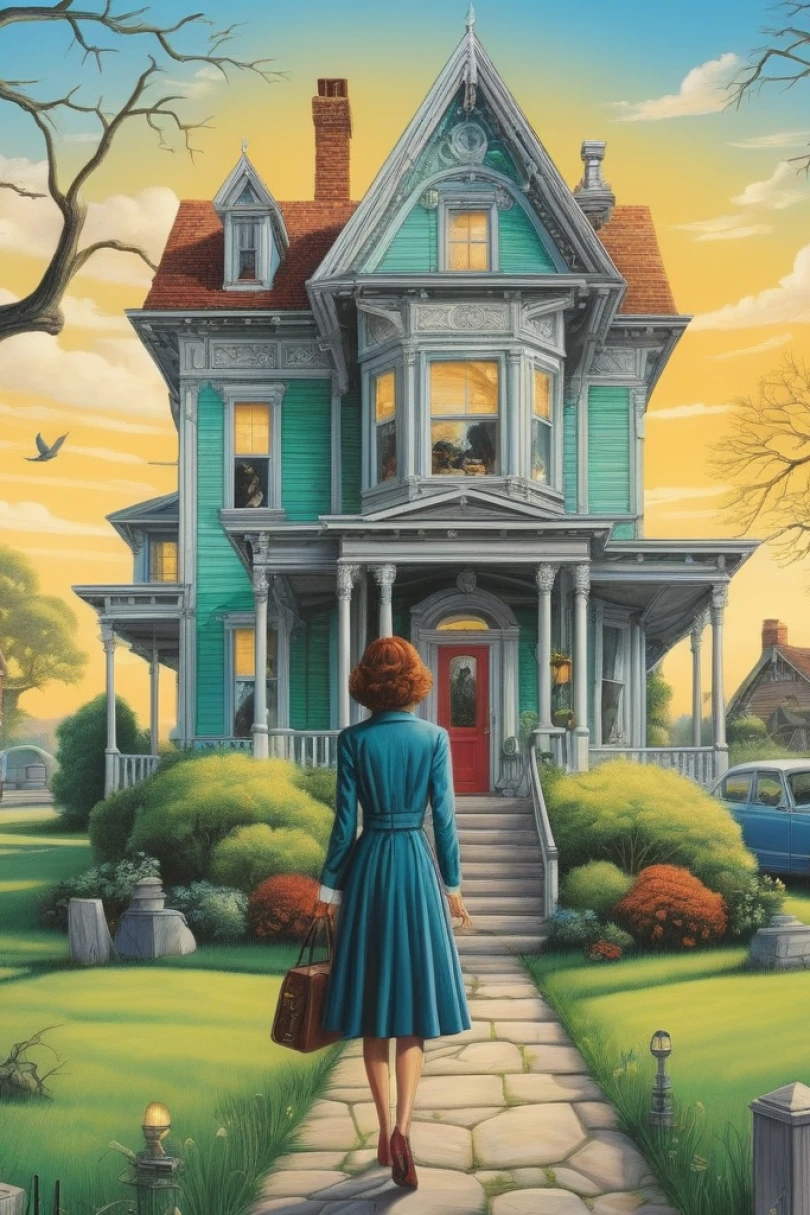
4 July 2026This one got under my skin in the best way. The opening alone — Nell sitting in the car, the house looking like it’s making a choice, that stopped clock at quarter to three — tells you exactly what kind of dread you’re in for. I really liked that the horror here isn’t just the house doing something creepy, it’s the town being willing to pay for loss and then act innocent about it later. Nell works because she’s not some fearless chosen one. She’s tired, guilty, and practical in a way that makes the supernatural stuff hit harder. The detail with Cal’s old room, the marbles in the jar, and Nell finding that blue one felt like the kind of small, awful discovery that kicks off a whole private collapse. And Mae’s presence is everywhere without the story turning her into some saintly ghost-mom figure, which I appreciated. What really stuck with me was the idea of becoming the house’s guardian and having to live with other people’s memories. That’s such a nasty little bargain. It’s sad, but not in a neat, sentimental way — more like the story lets grief become a physical place you have to keep walking around in. The atmosphere is doing a lot of heavy lifting here, but the plot has teeth too. Honestly, this is the kind of slow horror I’ll keep thinking about after I’m done reading. 😶
on When We Keep Them
Nora Feldman
13 June 2026This one got under my skin in the best way. The minute Mara steps off the train and Myrvale shows up like a half-remembered bruise, I was in. I really liked that the story doesn’t treat the house as just a spooky object—it feels like a responsibility nobody asked for, and the fact that Etta Voss left behind those weird glass bulbs and wax-sealed notes makes it all feel properly lived-in instead of random magic nonsense. Mara herself is a big part of why it works. She’s not heroic in a shiny way; she’s tired, a little guarded, and still clearly carrying her brother’s death around like extra weight in her coat pocket. That made her choices hit harder when the whole town starts pulling at her from different sides. I also thought the town dynamics were great: the woman smiling from the stoop, the people watching from windows, then later the whole ethics fight turning neighbors into rivals. It feels small-town in that sharp, intrusive way where everyone knows enough to be nosy but not enough to be fair. What I appreciated most is that the story seems willing to sit with the ugly parts instead of smoothing them over. Memory isn’t treated as this abstract philosophical toy; it becomes something practical, painful, and a little terrifying. By the end I was genuinely torn about what I’d choose if I were in Mara’s place, which is exactly the kind of discomfort this premise should create. Really strong atmosphere, strong central dilemma, and enough mystery around Etta’s house to keep me replaying in my head after closing it.
on The House of Borrowed Days
Emily Carter
24 May 2026What got me right away was how quietly confident this book is. It doesn’t need big dramatic scenes to pull you in — Nora driving back into town, realizing the place feels both smaller and more familiar, already tells you exactly what kind of story this is. I loved the details that kept showing up, like the cracked sidewalks she remembers, the Porchlight sign blinking over June’s café, and Walter Finch nursing his coffee in the corner like he’s part of the furniture. It all feels so specific that I could picture the whole town without trying. June is probably my favorite part. She’s funny without trying too hard, and the way her health problems are handled makes her feel real instead of turned into a symbol. Same with Nora — she’s not just “woman returns home and learns a lesson.” You can feel her torn between the life she built in the city and the pull of this place where people still know her by name. The cooperative angle sounds like it could have been dry, but the story makes it feel like actual community work: messy, practical, full of opinions, repairs, and compromises. Also, I appreciated that the book seems to care about the boring stuff in a good way — governance, money, who fixes what, who gets a say. That’s what made the emotional parts land harder for me. By the time Nora is figuring out where she belongs, it doesn’t feel like a neat little answer. It feels earned. Really lovely, grounded read.
on Porchlight Mornings
Nina Caldwell
24 May 2026Honestly, this won me over in the first page and then just kept getting cooler. Marin doesn’t feel like a stock “chosen one” at all — she feels like someone who actually has a job, habits, and weird little comfort objects, like that cedar-and-lemon charm Tobias made her. I also really liked that the book treats listening like a skill, not just a metaphor. The whole idea that the city has a lull, and that someone has actually removed it, is creepy in the best way. What really stuck with me was how grounded everything felt even with the urban-fantasy setup. Archivum South, the market stalls under waterproof tarps, the sleep-spray billboard trying to sell silence like it’s self-care... it all feels annoyingly believable. And I’m a sucker for stories where the characters are piecing things together through sound instead of prophecy or random internet clues. Marin using the recorder and braided wire to map acoustic seams is just such a neat detail. By the time the bigger conspiracy starts surfacing, the book has already earned it. The corporation angle could’ve been cheesy, but here it reads more like a real threat to daily life than some cartoon villain situation. Also, Min and Tobias already feel like they bring different energies to the story, which makes the “ragged choir” setup sound way more appealing than your average found-family lineup. Really enjoyed this one.
on Where the City ListensLatest Comments

Derek Holloway
7 August 2026This has such a weirdly soothing energy for a story about an elevator breakdown. I loved the contrast between Jonah’s almost surgical attention to the relay and the chaotic little life of the building—dumplings, mismatched socks, snail mail, rubber chicken and all. The blackout setup feels tense, but the excerpt makes the building seem like a living organism with its own customs. Also, “the doors had a patience setting” is a gorgeous line.
on Floors Between Us
Jordan Ellis
27 July 2026Yes! The technical detail makes the stakes feel real, especially with the wrong valves opening at the worst possible time. And Anwen’s sarcastic response to Tarek is such a good character beat — you can tell she’s stressed, but she’s still sharp.
on Climbing the Shattered Rim
Derek Hollis
27 July 2026The part that got me was Lena peering at the bulb through a tissue — such a tiny, almost ridiculous detail, but it tells you everything about how seriously she takes atmosphere. And then Sam shows up with the inflatable flamingo and Gatsby basically declaring war on the tassel... I laughed out loud. That contrast makes the whole scene feel lived-in, not just curated.
on A Place to StandEvelyn Shaw
27 July 2026That opening with the dawn light sliding down the crater wall is gorgeous, and then the quake just wrecks the calm so fast. I also really liked the “hold pressure” problem because it makes the whole mission feel immediate and technical, not just generic disaster drama. Anwen and Tarek’s banter gives it a nice edge too.
on Climbing the Shattered Rim