
About
Banking showed me how greed corrupts people in subtle ways that most observers completely miss. Literature became my escape from a world obsessed with profit margins and quarterly reports. Years spent watching intelligent, otherwise decent people make progressively worse choices in pursuit of bonuses and advancement taught me that moral corruption rarely resembles anything from films—it's quieter, more reasonable-sounding, and far more contagious than most people want to believe.
Pinned Stories

Latest Reviews

Liam Turner
27 July 2026This ended up being way more comforting than I expected. At first I thought it would just be a “nice little building story,” but Tess makes it work because she’s so grounded and competent. I liked how the book keeps coming back to the actual texture of her nights: the keyring clinking, the lemon oil in the panel, the brass scratches on the elevator controls, Mrs. Ramos’s baking drifting through the hall. Those details do a lot of heavy lifting without showing off. The storm scene with the stalled lift was my favorite part because it doesn’t turn into chaos for chaos’ sake. Tess doesn’t panic, she just starts solving the problem, and that quiet confidence is weirdly gripping. Sammy’s star drawing was also a sweet touch, and Pip acting like he’s on official duty made me laugh more than once. What I really appreciated, though, was the way the story lets Tess grow into a bigger role without losing the ordinary feel of Willow House. The safety workshops could’ve been boring, but they become this nice extension of who she already is — the person everyone quietly relies on. It’s the kind of book that makes you look at apartment buildings differently afterward. Cozy, smart, and very easy to settle into.
on Evening Rides at Willow House
Ethan Caldwell
27 July 2026This book made me weirdly attached to a bunch of people arguing about social smoothing parameters on a spaceship, which is not something I expected to say today. Sylas is such a good lead because he’s not some flashy rebel-genius guy — he’s a maintenance person who notices everything, down to the way a laugh signature can be nudged into something else. That detail with Maris showing up wearing a veneer that makes her sound like a 1960s radio host? Weirdly funny at first, then kind of heartbreaking once you realize how much everyone aboard is performing just to get through a meal line without friction. What really worked for me is that the “danger” isn’t a laser battle or a sabotage countdown, it’s this creeping sense that the ship is teaching people how to be less themselves. Harmonize feels like such a plausible nightmare. The story gets a lot of mileage out of tiny choices: Sylas tweaking microbeats, Jun Tao trying to force an actual in-person open quarter, the captain wanting dignity instead of some forced cheerful overlay. It all builds to a point where the timing hook doesn’t just feel like a hack, it feels like a moral weapon. Also, the setting is just excellent. Maintenance trunks, hydroponic drizzle, old coffee concentrate, all of it gives the ship real texture instead of generic sci-fi gloss. By the end I was less interested in the tech than in whether these people could actually talk to each other without the Lattice doing half the work for them. Really solid stuff.
on Veneers of the Lattice
Megan Carter
4 July 2026This one won me over fast. Neon Ark feels alive in a really specific way — not just “dark future city” alive, but the kind of place where the rain on corrugated roofs, the smell of burnt plastic, and the blue glow on Rhea’s hand all tell you something about how people survive there. UnderGlow especially stuck with me. It’s such a good little refuge: the espresso machine, the jars of resistors, the old vinyls with Marta’s handwriting, and that Muse Box sitting there like it might either save her life or ruin it. What I liked most is that the emotional stuff never feels separate from the tech. Rhea fixing lull memories for a mother or pulling a jammed memory loose from cheap implants makes the whole memory-as-commodity idea feel personal instead of abstract. And Koa is more than the usual “brooding sidekick” setup; his broken-bell laugh and rooftop-bike past give the story some heat and humor. By the time the corporate cathedral stuff ramps up, I was fully in. The book has that slick cyberpunk surface, sure, but it also has grief, loyalty, and a real sense that choosing to keep memory wild is going to cost something. Solid, moody, and genuinely engaging.
on Neon Lattice
Ethan Price
4 July 2026Pretty, yes, but it ends up feeling more like a string of pretty images than an actual story. Juniper waking to the sound of a page turning, the chamomile-and-ink smell, the rooftop Night Archive, the moths around the moon — all of that is lovely at first. But after a while the book keeps piling on soft little details instead of giving the plot some backbone. The biggest problem for me is how obvious everything becomes. The missing lullaby, the lonely keeper, the moon needing its song returned… you can see the whole shape of the book almost immediately. Juniper barely has to earn anything. She notices the lighter shelf, follows the song-thread, meets the keeper, and then the emotional turn happens exactly where you expect it to. Even Mr. Wren feels underused; his thimble, humming pebble, and fox doodles sound like they’ll matter, but they mostly just sit there being quaint. I also found the pacing odd. It starts so slowly that it nearly drifts off the page, then the more interesting parts are rushed through. The middle should have had more tension or at least one surprise that wasn’t telegraphed from the start. By the end I wasn’t annoyed, exactly, just a little deflated. It’s gentle to the point of being flat.
on Juniper and the Moon's Missing LullabyLatest Comments

Thomas Reid
27 July 2026Yes, exactly — that waiting figure makes the bell feel almost sacred. I also liked how Gideon reads the bell the way a smith reads iron; it gives him such a grounded, personal reason to act. That’s what makes the silence unsettling instead of just symbolic.
on The Bronze Voice of Brenward
Daniel Quinn
27 July 2026Same here — the contrast is great. The market below feels almost comforting, which makes Marta’s climb and the manual override even more tense by comparison. And honestly, that dry banter with Rafi keeps the scene from getting too heavy.
on Adjustments at the Sunward Gate
Derek Holloway
27 July 2026That little detail about Mira rubbing the bridge of her nose and leaving oil on her cheek really sold her to me — she feels so real in the middle of all this clockwork pressure. And Jakub barging in with the skateboard right after Szymon’s calm, old-world wisdom? Perfect contrast. The flyer’s fake-clean glass city is honestly creepy, especially with the tower just… gone. Really strong setup for Founders’ Day.
on The Clockmaker's LullabyEvelyn Carter
27 July 2026The detail that got me was the woman waiting under the bell like it’s part of her daily prayer. That silence hits harder because the town clearly lives by this thing, and Gideon noticing the metal had been marked on purpose makes the whole setup feel eerie. Really strong opening.
on The Bronze Voice of BrenwardStories (14)

Adjustments at the Sunward Gate
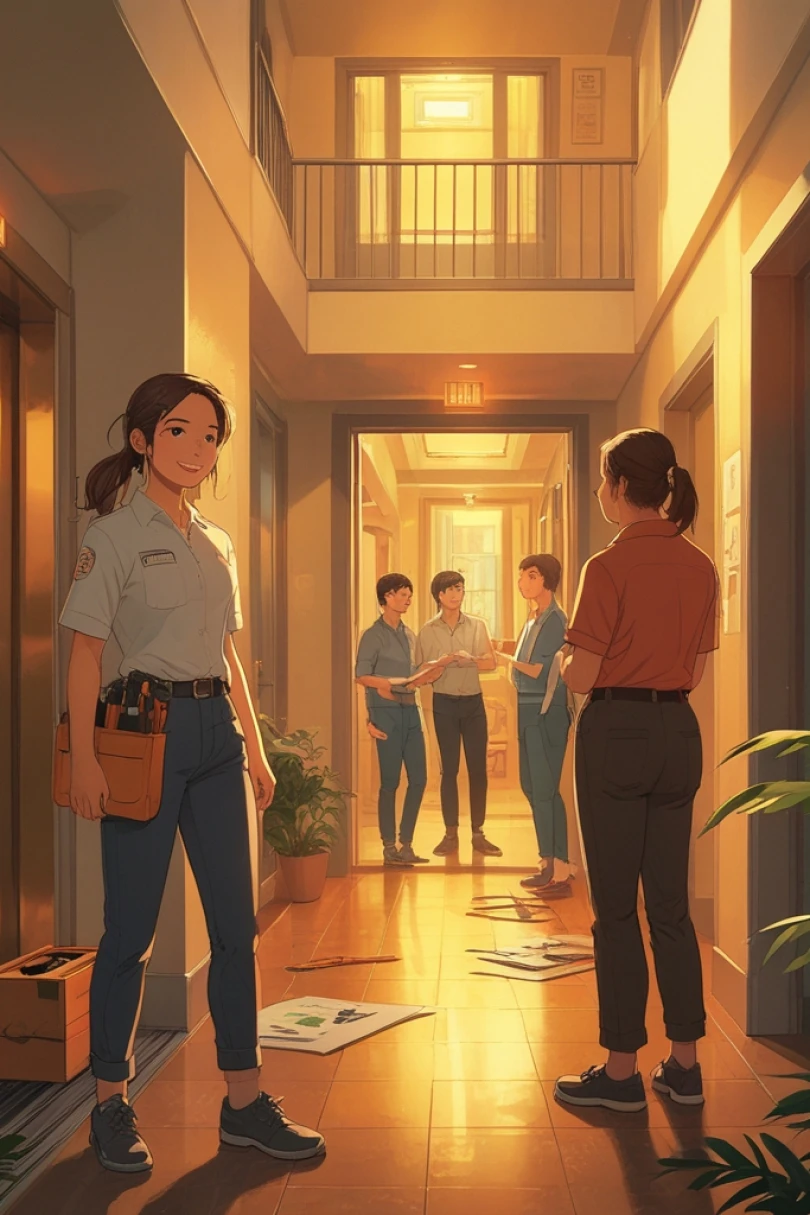
Evening Rides at Willow House
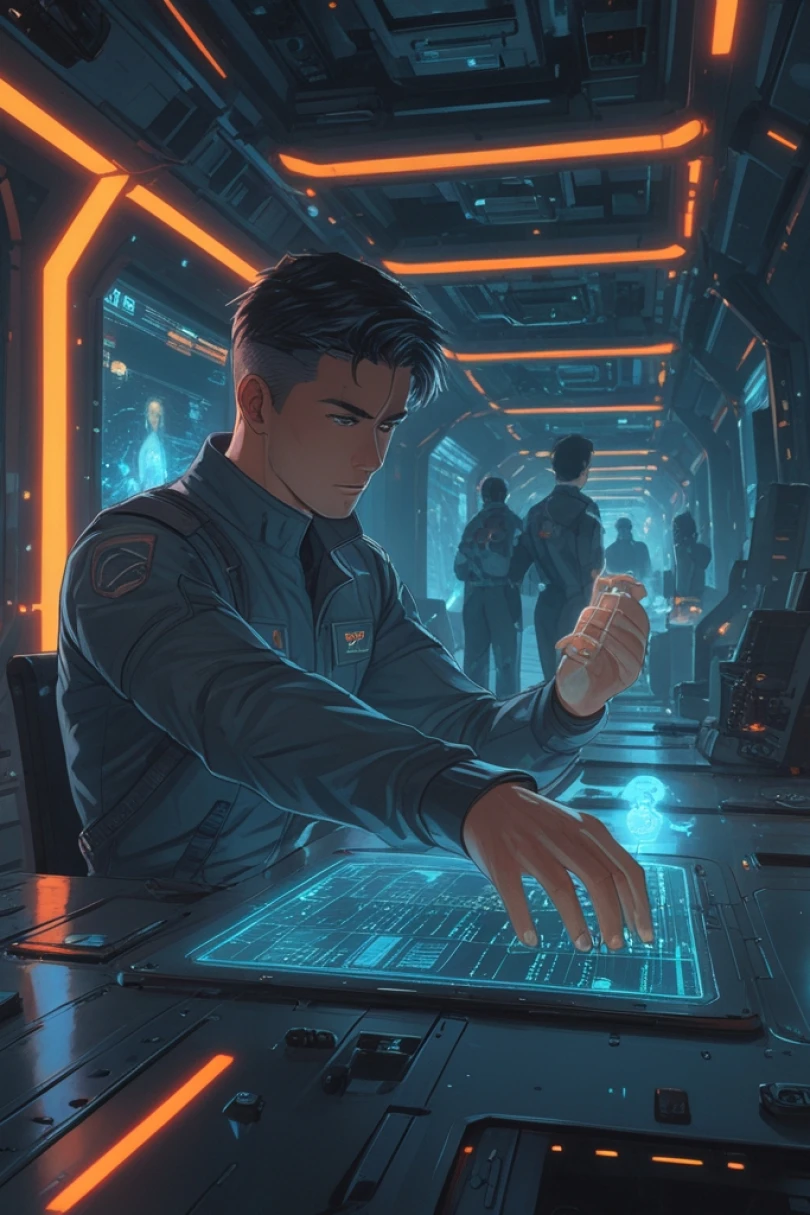
Veneers of the Lattice

Roots in the Metal Sky

Anvil at Sundown
The Clock of Hollow Stars
When the Clocks Forget

Lumi's Little Light

The Bronze Voice of Brenward