About
Forest imagery flows through my work because woodland environments taught me about natural harmony and seasonal cycles. Characters who live close to nature understand rhythms that urban dwellers rarely experience in their daily lives. Years of walking the same forest paths across different seasons, watching the same trees respond to the same weather in slightly different ways each year, learning to read landscape as text—all of this created a writing sensibility rooted in patience, cyclical thinking, and deep attention to the kind of change that only reveals itself slowly and to those willing to wait and watch.
Pinned Stories

Latest Reviews

Caleb Mercer
13 August 2026This one basically had me hooked the second the tethers started “singing.” That opening is so good it almost feels unfair. Highpoint feels lived-in right away — the market ledge, the toasted kelp, Recon-7 showing up like an annoyingly sweet little coworker with a pastry — and then the story just keeps tightening the screws. Rowan is exactly the kind of lead I fall for: blunt, competent, a little half-broken around people, but never boring. What really got me was that the big crisis doesn’t turn into some big speechy hero moment. It’s all hands-on problem solving: live-line riding, an under-load splice, improvised anchors, the whole thing hanging by a thread while everybody else is scrambling below. That stuff is tense because it feels practical, like if one move goes wrong, people actually die. I also liked how the town’s humor keeps leaking through the danger. The food-stall rituals and banter don’t undercut the stakes; they make the place feel worth saving. By the end, the repair felt bigger than the machinery. Rowan doesn’t just fix the anchor, he gets pulled into the town a bit, whether he likes it or not. Really solid adventure with a nice gritty heart to it.
on The Tethers of Highpoint
Derek Walsh
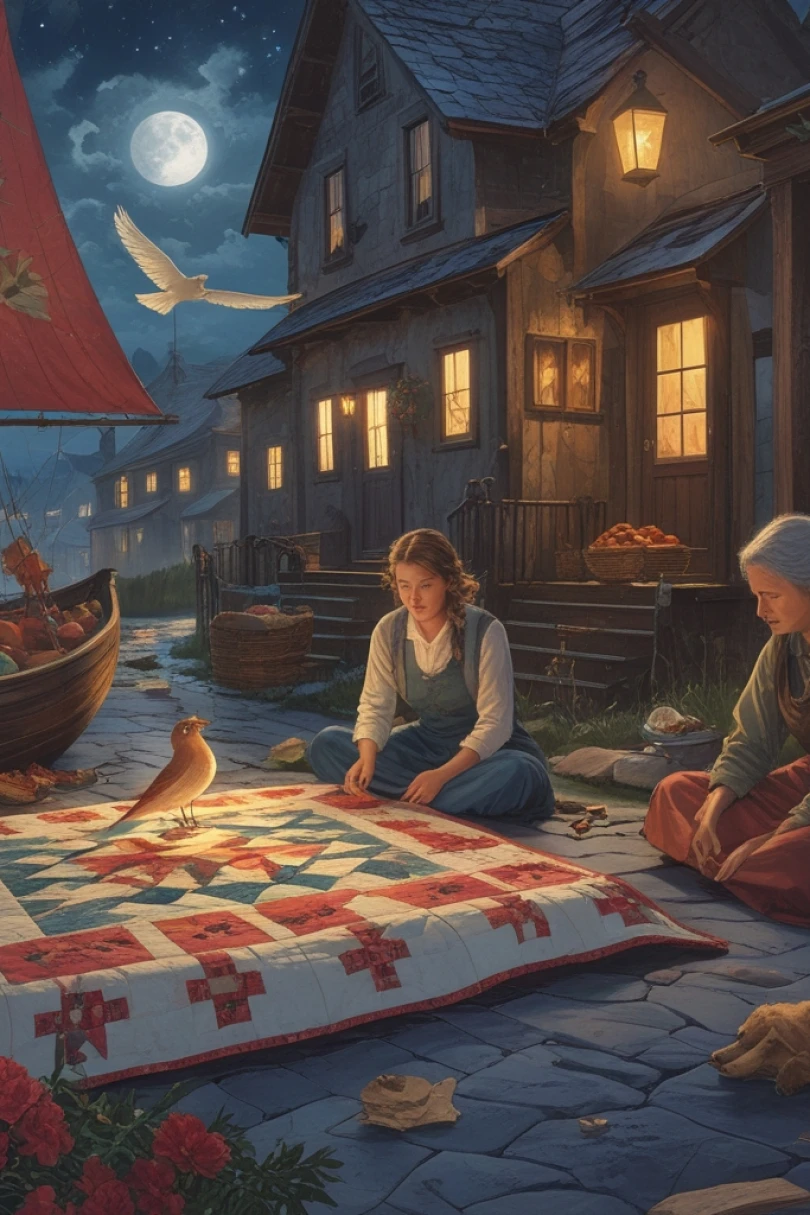
13 August 2026This one kept hitting the same note over and over, and by the end I was mostly just waiting for it to end. Etta’s lamp-lit quilting room is lovely at first — the clouded glass, the baskets, Pip launching himself into the scrap pile — but the story never really moves past “cozy thing happens, everyone is kind, another cozy thing happens.” Even when the storm damage should create some real mess, the conflict gets flattened almost immediately into bread-sharing and polite problem-solving. I also found the pacing frustratingly sleepy. Whole pages go by on rosemary over doors, candied peel, the baker’s approving clock, and the town “reshaping” the festival, but the actual mechanics of how that works never feel convincing. Etta suddenly becomes the person everyone needs for stitches and anchors, yet none of the townspeople have enough personality to make that shift feel earned. Tess the ferryman especially felt underwritten — there’s this setup for friction, and then she just becomes another person nodding along. The carved wooden bird is the biggest example of the book’s habit of treating a prop like emotional depth. It keeps passing from hand to hand like it’s supposed to mean something profound, but it never earns that weight. By the end I could predict every beat: quiet woman learns to open up, community learns to be nicer, festival becomes more inclusive, fade out on warmth. Fine if you want pure comfort, but as a story it’s way too tidy for its own good.
on The Night Quilter and the Open Door
Lena Whitcomb
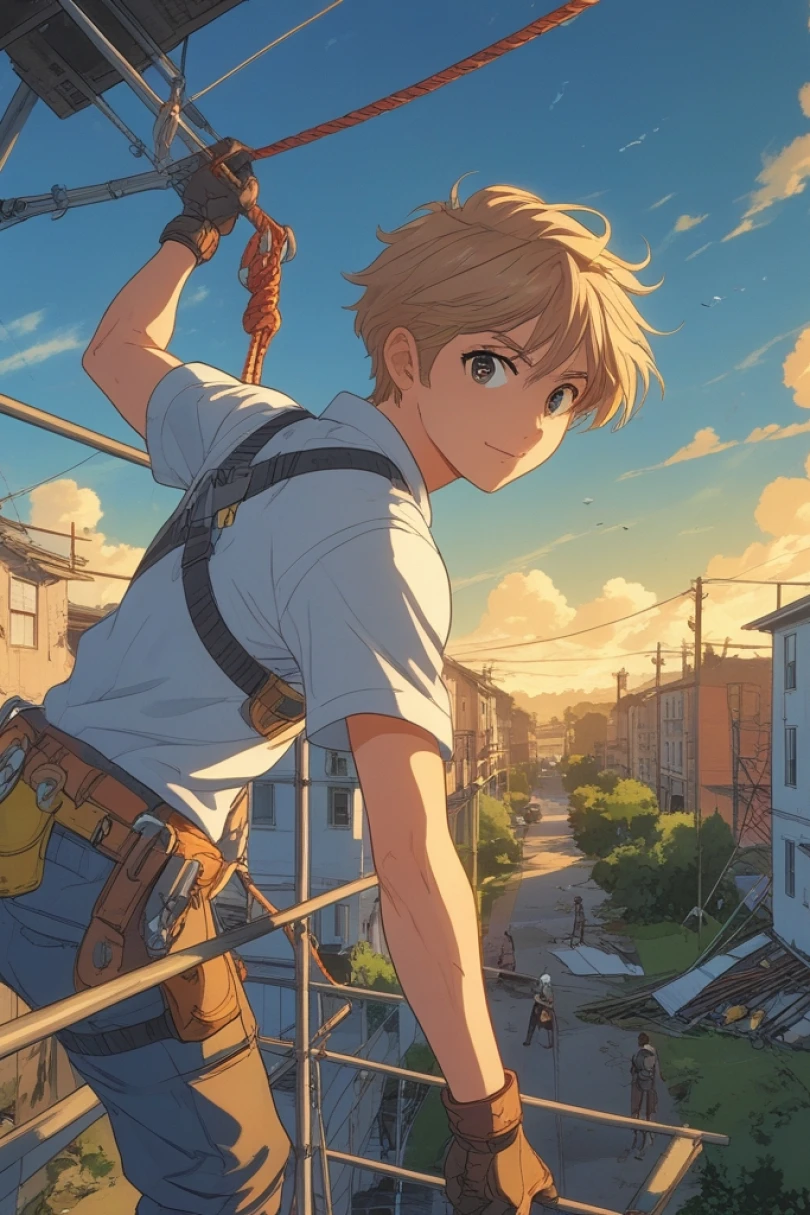
13 August 2026I ended up caring way more about a pulley system than I thought possible. The opening chapter is doing so much quiet work: Rowan moving through the tiers by muscle memory, Mrs. Ortega fussing over her laundry, Peanut acting like the whole neighborhood personally offended him, Nico shouting about saffron twists from the rooftop. It all feels so specific and human that when the storm finally hits, the stakes land hard instead of feeling like generic YA drama. What I liked most is that Rowan’s arc isn’t about suddenly becoming brave out of nowhere. They’re already skilled, already observant, already the person everyone leans on — the story just asks what happens when that kind of hands-on competence finally has to be recognized by the people in charge. The pilot certification angle could have felt bureaucratic and boring, but here it’s kind of thrilling, because it’s tied to real safety, real community trust, and the practical knowledge the neighborhood actually depends on. Mara is a great mentor too: not overly sentimental, not there just to hand out wisdom, but someone who knows how messy responsibility gets when a storm wrecks everything. And I loved the training pieces — adults learning knots, kids watching the demos, everyone realizing that repair work is also a form of leadership. It’s the kind of story that makes you respect the person who can fix the thing nobody else notices until it breaks.
on The Knots We Climb
Hannah Pierce
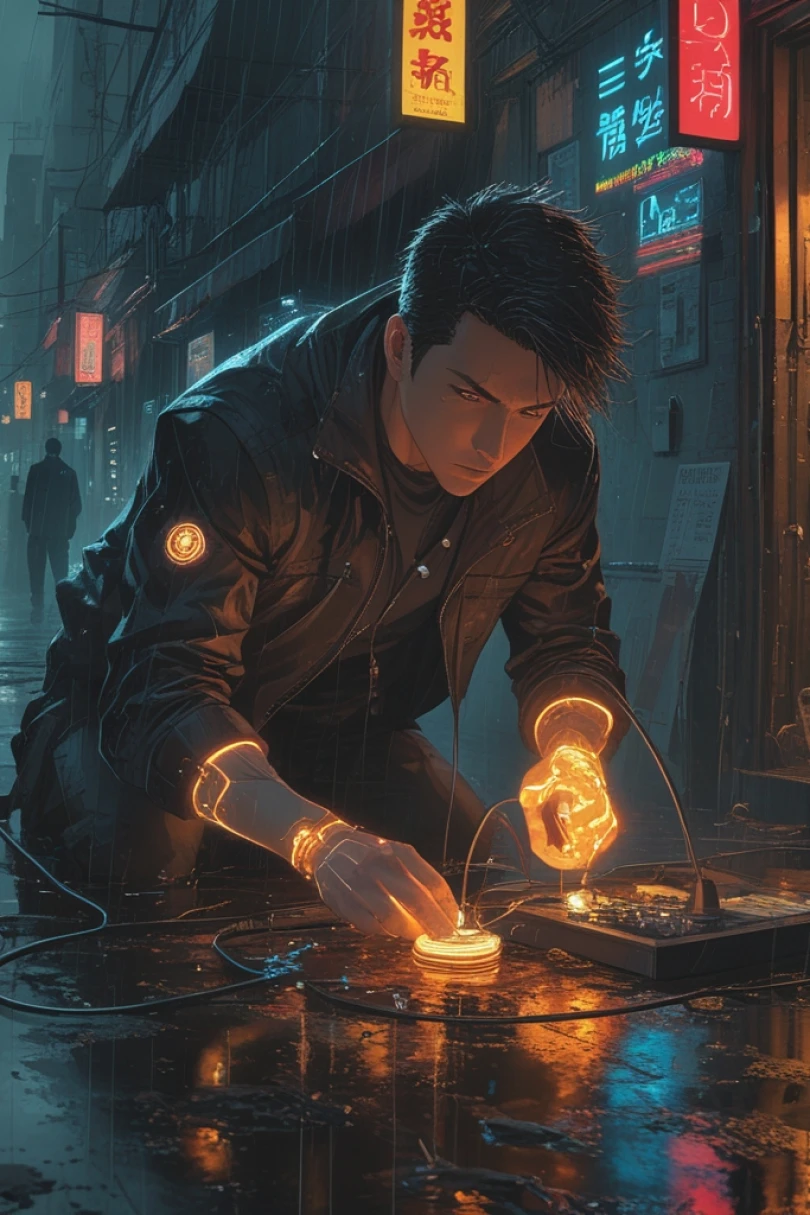
27 July 2026The setting is the best part, hands down, but the story kept tripping over its own feet after that. Alex’s shop, the rain, the grilled sea mushroom smell, Lian barging in with her sketchy thumb-sized module — all of that felt vivid and specific. But once the actual conflict kicks in, it becomes painfully obvious where everything is going. Noa shows up desperate, there’s a “fast risky fix” versus the careful consent-based repair, and the book practically circles the correct answer in red ink before Alex even has to choose. What really got frustrating was how the tension never quite pays off. The inspector visit should’ve been a big squeeze point, but it feels like it arrives just to remind us that consequences exist. Same with the child’s crisis: it raises the stakes for a minute, then the story rushes on like it’s afraid to sit with the mess. I also never fully bought Lian as more than a device to keep handing Alex problems and wisecracks. So yeah, great atmosphere, cool craft details, but the plot is too predictable and too tidy for something trying this hard to be morally serious. It reads like the outline of a much better book.
on A Chord Between StrangersLatest Comments

Nina Patel
27 July 2026Same here — that line completely changed the vibe for me too. It doesn’t feel like a normal quest object, it feels like something with memory and a will of its own. Also, the idea that stewardship has a price makes this way more interesting than a typical find-the-artifact story.
on Lattice of the Astraea Gate
Jordan Ellis
27 July 2026Yes! That’s exactly what stood out to me too. It feels like the whole system is trying to reduce everything to gauges and stats, but the story keeps dragging it back to sweat, tools, and judgment calls. That contrast is what makes Corin feel so grounded.
on Building Someone Else's ApplauseGrant Ellison
27 July 2026Yes, exactly. I also think the food-and-rain details make the tension hit harder somehow — the grilled sea mushroom smell and the alley steam make the shop feel so real. I’m really curious whether Alex will take the risky shortcut or stick to the slower hands-on fix.
on A Chord Between Strangers
Megan Whitfield
27 July 2026I really like how this doesn’t rush the romance at all—it lets Port Solace breathe first. The contrast between Mara’s city-bred precision and the messy, lived-in lighthouse feels so good, especially with that bent staircase, the boarded window, and Ana’s photograph cut right through the man’s face. That detail alone says there’s a whole buried history here. And the line about mending things? It quietly tells us exactly who Mara is before she even says it out loud.
on Letters to the LighthouseStories (12)

Building Someone Else's Applause

The Tethers of Highpoint
The Night Quilter and the Open Door
The Knots We Climb
A Chord Between Strangers
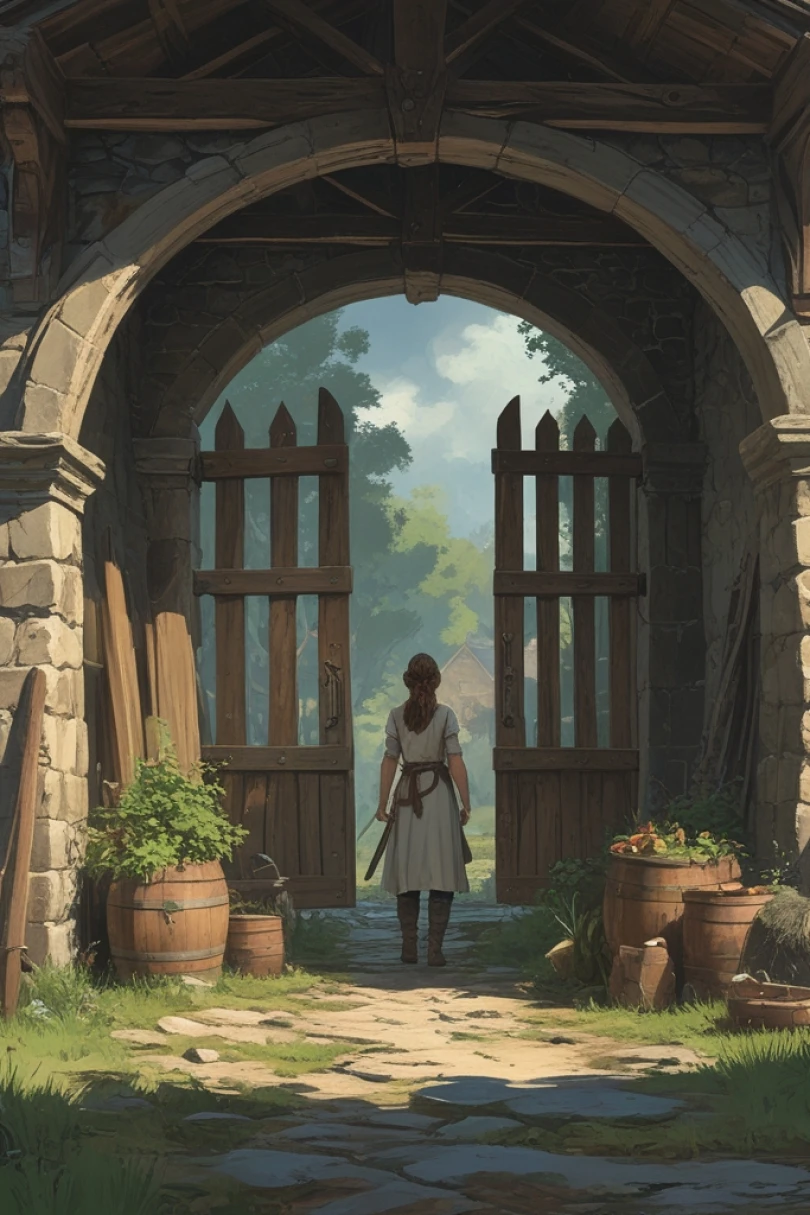
The Doorwright's Choice

Keeper of the Halcyon Run

The Copper Bow

Etta and the Moon's Echo