About
Military experience taught me truths about conflict that most people prefer not to face, revealing the thin line between civilization and the raw chaos of survival. Writing became my way of honoring both the fallen and the survivors, translating the cold, mechanical precision of combat into the warm, messy reality of human emotion. I’ve seen the best and worst of humanity in the shadow of war, and my stories serve as a testament to the resilience of the spirit after the smoke has cleared. I write because some memories are too heavy to carry alone, and some names deserve to live forever in ink, ensuring that the lessons of the past aren't lost to the convenience of the present.
Pinned Stories

Latest Reviews

Claire Bennett
27 July 2026This one won me over fast. Etta feels like the kind of protagonist I can actually believe in — not flashy, not chosen-by-prophecy, just very good at what she does and deeply aware that people are counting on her. The opening around Kestrel Node is fantastic: the scorched oil smell, the seaweed buns drifting up from the concourse, the little rituals of checking coils and dampers like they’re sacred. It gives the whole story this lived-in, working-class space station feel that’s way more interesting than another generic polished sci-fi hub. What I liked most was how the book treats engineering as emotional stakes, not just technical ones. The looming recruiter offer could have been a simple “career vs home” choice, but it feels more personal because the node itself is so much a part of Etta’s identity. And Rowan actually adds something instead of just being the token apprentice — their nerves, curiosity, and the way they shadow Etta make the mentorship angle feel real. The resonance problem in the ring got under my skin in a good way. By the time things are happening in the core cavity, with the makeshift tools and the timing pressure, I was fully in it. It’s tense without being messy, and the book knows when to slow down for details like the hum of the Lattice or the tiny movements of a wrench in gloved hands. Really satisfying stuff.
on Latticework of Distant Lights
Daniel Mercer
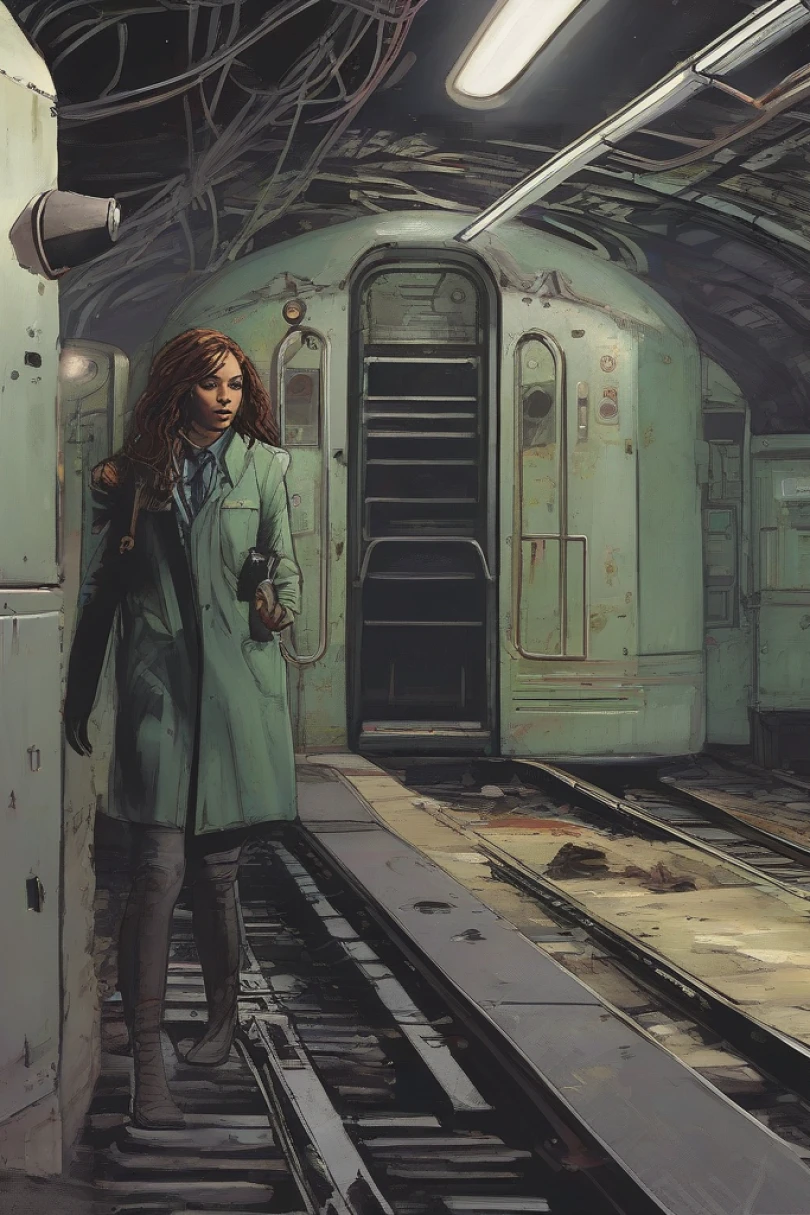
4 July 2026This one got under my skin fast. The opening alone — Maya listening to the subway like it’s alive, the cart’s throttle, the relay hum, the little drip-and-rattle sounds underground — does a ton of heavy lifting before the horror even shows up. By the time Rook is marked missing and that black dust shows up in the log, you already care enough for it to hurt. What really worked for me was how personal the fear is. The thing eating names and voices isn’t just some random monster-in-the-tunnels; it attacks the exact stuff that makes people recognizable to each other. That idea gets nastier the longer it goes on, especially when Maya starts losing pieces of memory to pull workers back. There’s something brutal about a character who lives by noticing tiny mechanical details suddenly having to decide which parts of herself are expendable. I also liked Iris way more than I expected to. The comm starts off as background noise and ends up feeling like the one thing keeping Maya from going completely alone in those tunnels. And Goliath Station itself? Gross, haunted, weirdly beautiful. The chipped mosaic tiles, the disturbed grout at Bay 7, the flickering camera seam — all of it makes the station feel like it has secrets in the walls. The book keeps the pressure on without losing the human stuff, which is harder to do than it sounds. It’s creepy, sad, and really sharp about how fragile language is when people start forgetting what things are called. I finished it feeling a little shaken in a good way.
on Echoes Under Goliath Station
Daniel Harper
4 July 2026The opening on Vera-3 is doing a lot of heavy lifting, and honestly it’s the best part of the book. Ari noticing the “null cohort,” pulling the trace, catching that weird rain-and-laughter memory — all of that had me expecting a slow-burn conspiracy story. But once the plot starts moving, it feels like it’s on rails. Ari joins the clandestine group almost immediately, the engineer with the backdoor shows up with the exact explanation the story needs, and then the whole live-human-imprint thing becomes a neat solution instead of a terrifying ethical mess. That’s what bugged me most: the book keeps hinting at something huge — harvest cascades, memory erasures, the Continuum acting like a machine that decides who gets to stay real — but it never lets any of it get properly ugly. Characters like Ari and the engineer are more functional than memorable. Even the “forbidden memory” feels less like a wound and more like a keycard to the next scene. I kept waiting for paranoia, betrayal, or some actual cost beyond the obvious sacrifice, and it just never got there in a way that surprised me. The prose is good, no doubt, but the story itself is too tidy for its own setup.
on Resonant Debt
Grace Bennett
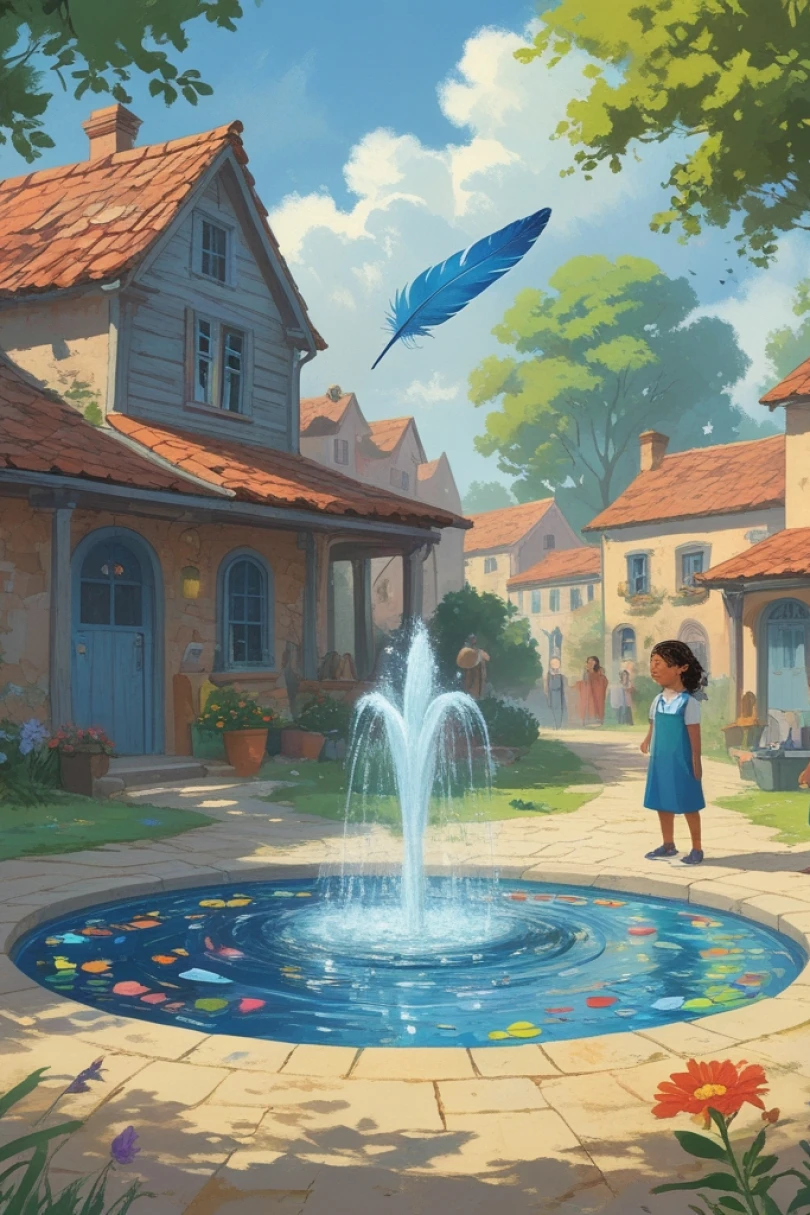
4 July 2026This one has such a soft, lovely vibe, but it never felt flimsy to me. Maya is the kind of kid protagonist I’d actually trust with a secret mission because she notices everything — the tired red kite, the empty bench, even the way the town’s usual hum feels off before anyone else does. That tiny detail with her tucking crayons into her pocket made me smile; it says a lot about her without making a fuss about it. I also really liked that the magic doesn’t feel random. The little blue feather, the fountain, the miniature keepers holding the colors in place — it all gives the story this quiet fairy-tale logic that kids can follow but adults can appreciate too. And when the town starts getting its color back, it doesn’t happen in a big flashy way. It comes through people actually paying attention to each other again, which is honestly much sweeter than some giant magical fix. Pip the squirrel is adorable too, obviously, but my favorite part is how the whole book seems to say that care is a kind of magic. It’s gentle, thoughtful, and weirdly moving.
on Maya and the Missing ColorsLatest Comments

Noah Bennett
27 July 2026Yes! That winter line hit me too. I also love how the story makes restoration feel like detective work, not just fixing old things. The clue hiding in the cracked varnish is so eerie — like the object was trying to confess.
on The Varnished Lie: A Greyhaven Investigation
Nina Brooks
27 July 2026Right? I loved that too. It makes her feel way more capable than a standard inventor trope, like she’s tuned into the city on a level nobody else is. And yes, the clock-bird sounds like it could either help save the day or bite someone’s finger off 😄
on The Clockwork Beacon of BrasshavenEvelyn Price
27 July 2026The bit that got me was the music box feeling almost *off* before we even know why — the wrong enamel, the polished keyhole, and that hidden scrap under the lid. Miriam noticing all of it through smell and touch makes her feel so real. Also, “the city men arrive in winter” is such a great line.
on The Varnished Lie: A Greyhaven Investigation
Nina Patel
27 July 2026I’m obsessed with how this opens on smell and touch instead of exposition—the hot sand, copper, ash, and the way Noor’s palms know the rod before her brain does. It makes her feel so real right away. And Pip’s clinking-gear purr is adorable, honestly. The whole floating-island setup feels beautiful but precarious, which makes the stolen keystone prism and that looming Tower feel even more menacing.
on The Lightsmith's TideStories (13)
Halcyon House: The Tilted Corridors

Latticework of Distant Lights

Resonant Debt
Attenuation
Maya and the Missing Colors

The Archive of Small Things
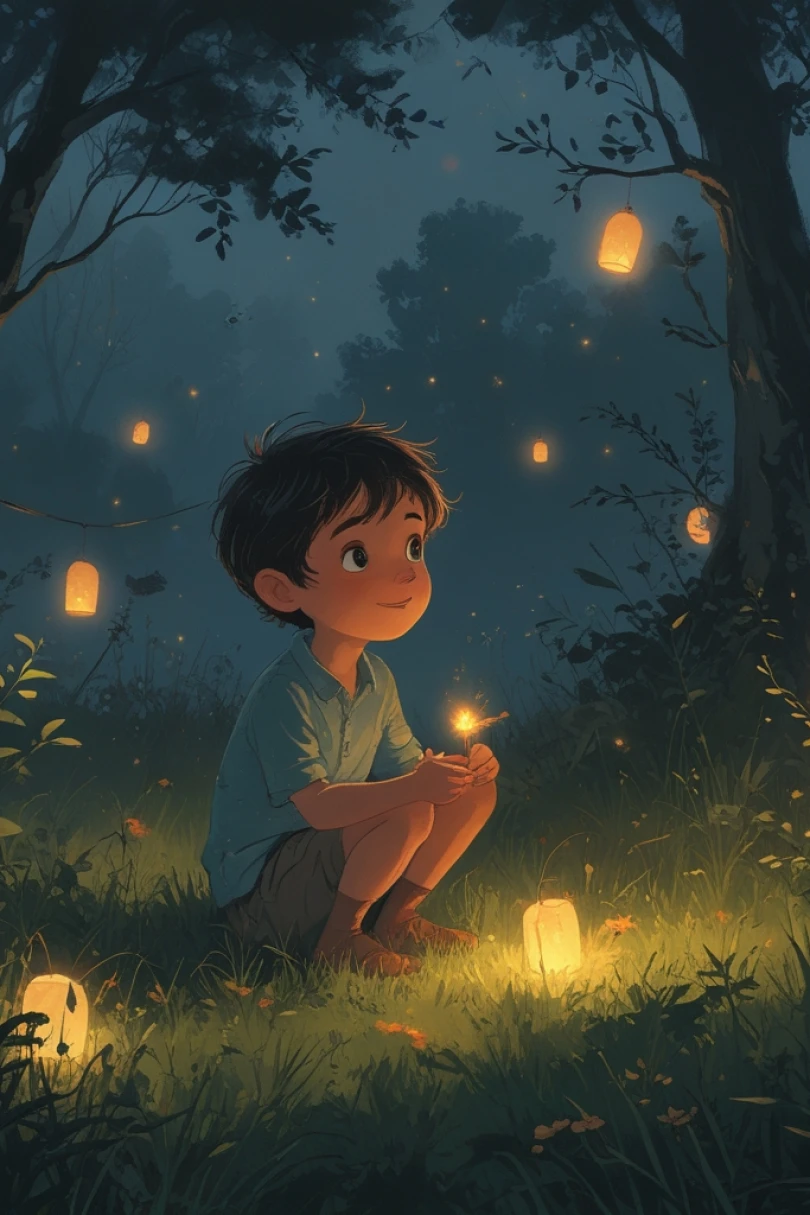
Finn and the Gentle Glow
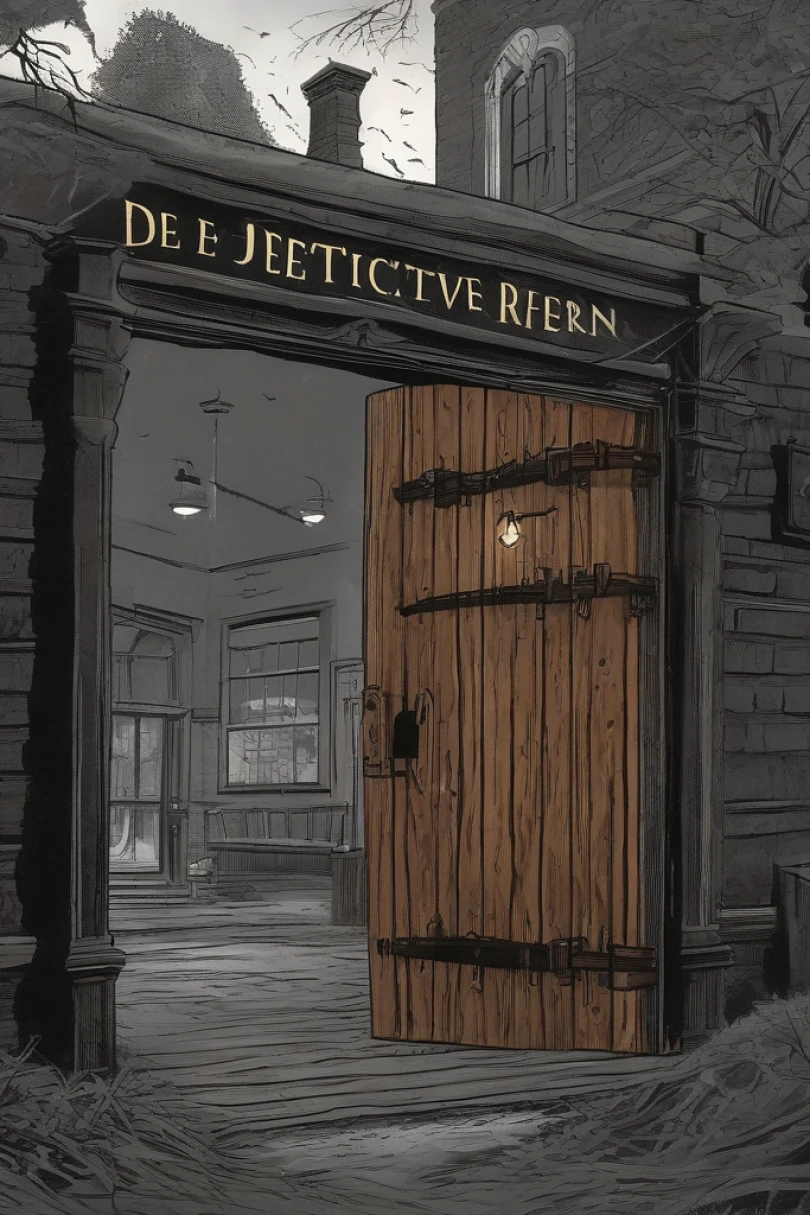
The Memory Birds

The Lightsmith's Tide