
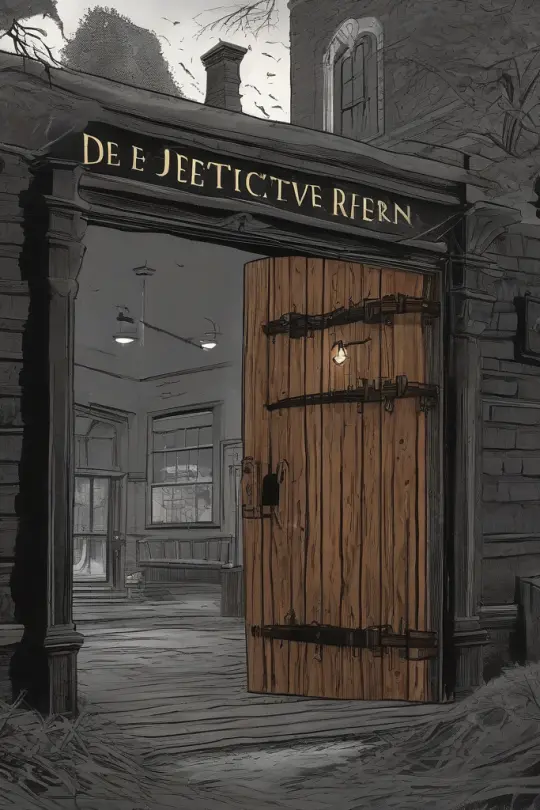
The Memory Birds
Join the conversation! Readers are sharing their thoughts:
About the Story
In Grayhaven, an ex-investigator with an uncanny ability to read memory through scent must unravel a cluster of disappearances tied to wooden carriers and a perfumer-scientist’s attempt to bottle lost lives. A detective story about grief, ethics, and the small things we keep.
Chapters
Related Stories
The Index of Silent Names
A young archivist and podcast co-host uncovers a municipal pattern of redacted names and missing records. As she traces payments, tapes, and storage annexes, the search becomes a challenge to the city's conscience. A detective story about memory, accountability, and the weight of a name.
The Silent Ledger
Eleanor Price, a private investigator with a past she can't bury, returns to Hale Lane after Martin Hale's death. A scorched ledger, coded donations and a burned photograph tie the case to a vanished brother and a trusted mentor. The search for answers risks exposing much more.
The Silent Testimony
In a dim, rain-slicked town an investigator confronts buried industrial negligence after an archivist’s death reveals a ledger of hush payments and a recording that names the guilty. The mood is taut and civic: a detective driven by loss, a public unready for its past, and a hunt that forces the town into light.
Keywork
Elliot Nyland, a locksmith-turned-investigator, moves through a city heavy with kiln smoke and fried fish stalls to a service corridor where a jury‑rigged device threatens to seal a studio. Confronting the culprit in a cramped elevator shaft, he uses his craft to neutralize the trap, protect an innocent, and anchor his place in the neighborhood.
Night Clerk's Note
A determined investigator follows a night clerk’s torn notes through vendor runs, courier trails and municipal upload logs. When dark payments and a custodial signature point to the police chief, a private sting unravels a network of shadow registrations—forcing exposures, rescues and a fraught moment of reckoning.
The Fifth Witness
A homicide detective uncovers a decades-old cover-up when an archivist is murdered and witnesses connected to a 1999 accident are silenced. As audio evidence, a hospital bracelet, and tampered depositions surface, investigations reach into City Hall and powerful families, bringing arrests, public hearings, and fragile reckonings.
Other Stories by Gregor Hains
Ratings
The premise—someone who reads memories through scent—has real promise, but the excerpt left me more bemused than hooked. The opening paragraph is lush with sensory detail (the rain-as-old-photograph line is lovely), yet those same flourishes start to feel like a way to paper over a thin mystery. The perfumer-scientist trying to bottle lives is a juicy idea, but already in this slice it reads like a moral cliché: tragic genius + hubris = predictable villain arc. Pacing is my biggest gripe. The scene-setting around Marisol’s routines (Felix bringing stale pastries, Elias’s fair-scent tea) stretches out so comfortably that when the phone rings it feels like the plot is only just remembering it's supposed to move. That mismatch—poetic atmosphere versus little plot propulsion—makes the investigation threaten to stall. Also, the rules of the central conceit are fuzzy: how precise is scent-memory? Who else knows about it? Leaving those mechanics too vague risks undercutting tension later because the reader can't gauge what Marisol can or cannot do. I liked the small human touches, but some characters verge on archetype—helpful apprentice, melancholy mentor—without enough complication to make me care about the stakes. If the author tightened the pacing, clarified the memory-forensics logic, and pushed the antagonist away from familiar moral-posture territory, this could be something special. As it stands, intriguing setup, but not yet earned. 😕
I wanted to love this, and parts of it are gorgeous—the rain-as-memory lines are lovely—but overall it felt like a concept stretched thin. The perfumer-scientist trying to bottle lives is interesting on paper but drifts into melodrama; I never felt the stakes land because the ethical consequences are talked about rather than shown. Marisol's scent ability is cool, but its rules are vague—how reliably can she 'read' memories? The wooden birds motif edged toward heavy-handed by the end, and the pacing dragged in the middle, bogging down the momentum after the phone call from June Kellar. If you prioritize atmosphere over a taut mystery, you'll enjoy it, but I wanted sharper plotting and firmer answers.
Smart, methodical detective writing wrapped in urban noir atmosphere. The procedural beats feel earned: Marisol's mnemonic scent notes become a kind of forensic ledger, and small tech touches (Felix's drone, the folded case behind the radiator) add modern texture without overwhelming the mood. The wooden carriers as a clue thread through the book nicely, and the perfumer-scientist subplot raises legitimate questions about consent and the commodification of memory. There's a satisfying scene where Marisol translates a faint scent profile into a physical location—it's the best kind of clue that rewards the reader paying attention to the author's sensory map. If you're into mysteries that favor slow revelation and moral complexity over cheap twists, this is a strong entry.
This story stayed with me for days. Marisol Kade isn't just a detective with an odd talent—she's a living archive of other people's moments, and that role forces the narrative into intimate confrontations with grief. The author does something brave by making the central villain less of a caricature and more a tragic scientist whose work—trying to bottle lost lives—reads like both hubris and desperate longing. The scene where June Kellar calls and the old phone's mouthpiece lights up is small but crucial; you feel the way the city holds its breath, and the investigation snaps into motion. Elias and his fair-scent tea are a particular favorite of mine; that scene where he makes her breathe until the ache changes is both tender and unsettling, perfectly capturing the messy comfort of memory. I also appreciated the ethical puzzles—what right do we have to hoard someone else's moments? Overall, atmospheric, thoughtful, and quietly devastating in all the right places.
I went in expecting a gritty detective yarn and left with a sensory crash course in nostalgia—and yes, I mean that in the best way. The wooden birds are a delightfully weird recurring image (who gifts tiny wooden birds and why do they matter? exactly). Felix bringing stale pastries is a hilarious human touch; you can actually picture him trying to make the office less lonely. The perfumer-scientist who wants to bottle lost lives is simultaneously brilliant and terrifying—like, who signs up for that morally? 😬 The prose has swagger but never forgets to be tender. If you like your mystery cerebral with a side of melancholy, this is for you.
Subtle, quiet, and oddly comforting for a missing-persons mystery. The writing is obsessed with small things (in the best way): a broken neon's ozone hum, a wooden bird given as a joke, the way rain reshapes the city's smells. Those details make Grayhaven feel lived-in and make Marisol's uncanny work believable. I smiled at the "detective's pantry" description and felt a lump in my throat at the tea scene with Elias. Short, sharp, and atmospheric—perfect late-night reading.
Tight, well-constructed urban noir. The author leans on sensory detail to sell a forensic hook that's plausible within the book's rules: Marisol's scent-based memory-reading is explained through tradecraft more than exposition, and it pays dividends in detective work—there's a particularly strong beat when a wooden slat's tannin-and-lemon-peel profile narrows the search in an unexpectedly procedural way. Felix Alvarez is a good foil: young, gadget-minded (the folded drone behind the radiator), and human, which grounds Marisol. I also appreciated how the perfumer-scientist subplot complicates the moral arc—it's not a straight villain but an ethical mirror. My only nitpick is that the book sometimes lingers on atmosphere at the expense of narrative momentum, but rarely enough to derail enjoyment. Overall: thoughtful, noir-tinged, and satisfyingly forensic.
I haven't been this hooked by a detective voice in a long time. Marisol Kade's sensory memory trick is such an original conceit—reading memory through scent gives Grayhaven a literal and figurative perfume that clings to you. I loved the rainy city details ("diesel and wet paper into something like an old photograph"—chef's kiss) and the small domestic beats: the steamed window over the laundromat, Felix's stale pastries, the tin of lighter oil that smells like tar and childhood. The scene with Elias brewing the tea that smells like a summer fair is heartbreaking and precise; you can feel what it does to Marisol. The plot threads—wooden carriers, the perfumer-scientist attempting to bottle lost lives—are eerie and ethically tangled in exactly the right way. The pacing took me along with the investigation and never felt rushed; every clue felt earned, especially the moment when a smell pins down a missing person's last place. This is noir that treats grief as its central mystery and rewards patience with real emotional payoffs. Highly recommend for anyone who likes smart mysteries with a melancholic heartbeat.