About
Stage experience gave me insights into human drama that ordinary life rarely reveals so clearly. Theatre taught me how dialogue should sound when characters really need to be heard. Years performing and observing actors bring text to life showed me the difference between dialogue that reads well silently and dialogue that sounds authentic when spoken aloud—a distinction that transforms written fiction from adequate to unforgettable.
Pinned Stories






Latest Reviews

Claire Donovan
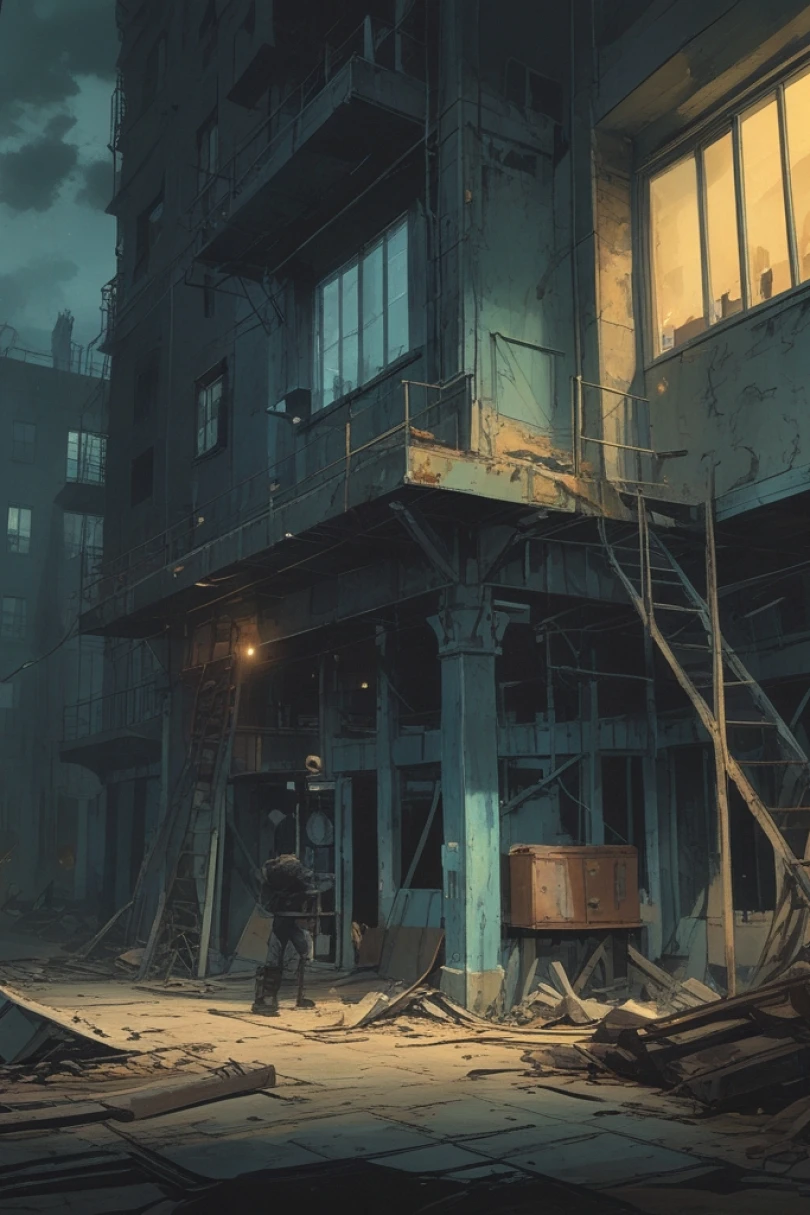
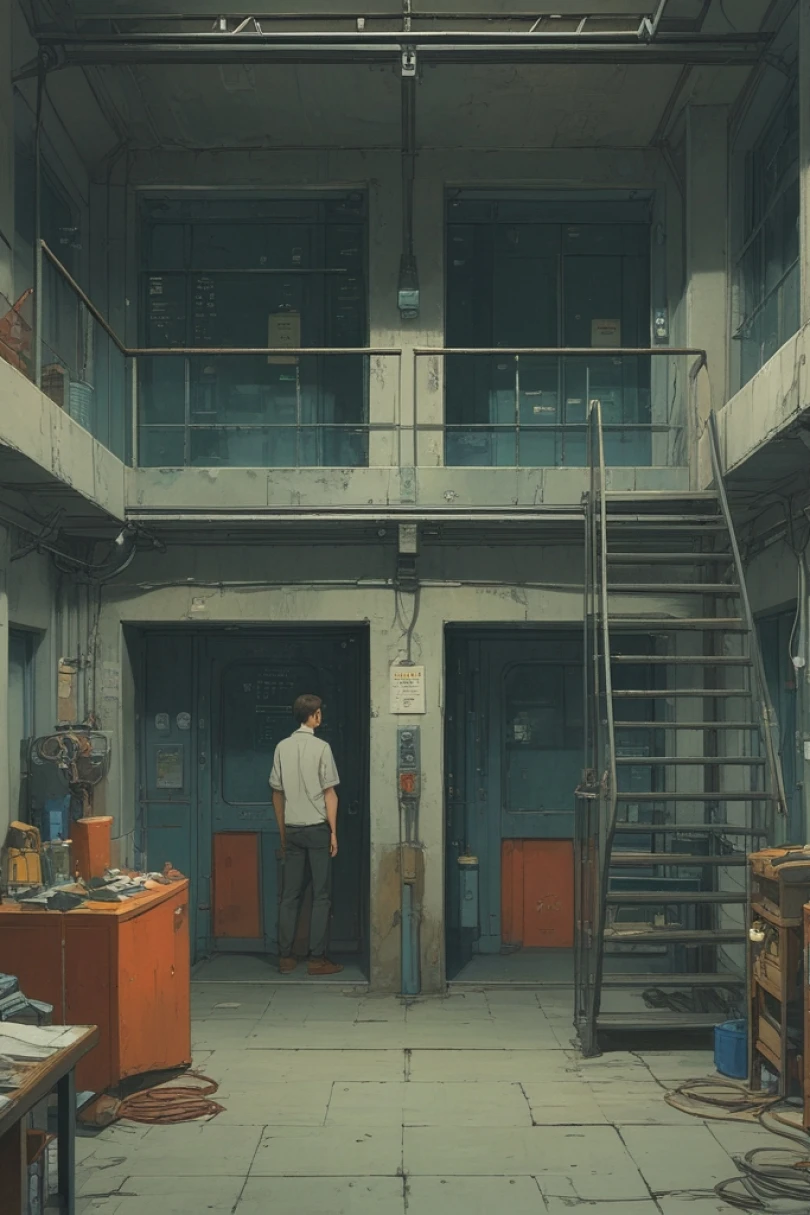
27 July 2026I ended up loving how this book makes being good at your job feel almost heroic. Elias Hart isn’t some brooding chosen-one type; he’s just a very smart, very tired structural engineer trying to keep an apartment block from literally eating itself. That sounds dry on paper and it absolutely isn’t. The crawl through Hargrove House’s mechanical guts, the failing jacks, the shattered shear key, all of it had this nasty, close-quarters tension that kept me reading way later than I meant to. What really sold me was the tone. The story lets itself be funny in these tiny, weird ways without killing the dread. Frank Beaumont feeding biscuits to the radiator, Nora Patel roasting the intercom, the TENANT OF THE MONTH board that feels like something only a cursed building could have — those details make the place feel lived in before the horror gets properly ugly. And once the building starts misbehaving for real, the humor doesn’t disappear; it just starts feeling like the last bit of oxygen in the room. Also, chestnut smoke as an atmosphere cue? bizarrely effective. It made the whole thing feel smoky, old, and slightly wrong. By the end I was invested not just in whether Elias could keep the structure standing, but in the people inside it. It’s a smart, tense story with a good grimy city feel, and it stuck with me after I finished it.
on The Walls Lean In
Megan Carter
4 July 2026I was hooked by how ordinary everything feels at first, because that’s exactly what makes the story so creepy and sad. Evelyn’s little morning rituals — the kettle, the single mug, the journal on the kitchen table, that watch stuck at 3:17 — start off like a way to survive. Then you realize the routine is also her way of holding the walls up after someone’s been messing with her memory. That hit me hard. What I liked most is that the book doesn’t turn her recovery into some big dramatic breakthrough montage. She’s stubborn in a really believable way. She checks the handwriting, studies the photo of Elise, listens to Jonah’s careful little explanations, and slowly starts noticing how much has been arranged around her without her consent. Jonah is such a good example of a character who sounds caring but also deeply slippery. Every time he says things like “guardrails” or tries to soften what happened, I got more annoyed on Evelyn’s behalf. The atmosphere stays quiet and tense the whole time, almost like the room is holding its breath. By the later chapters, the plot gets more pointed and the emotional payoff is in the small choices Evelyn makes — what she’ll accept, what she won’t, what she insists on knowing for herself. That part felt really smart. Less about dramatic revenge, more about taking ownership in a way that actually lasts. I finished it feeling a little shaken, but in a good way.
on Fractured Hours
Megan Collins
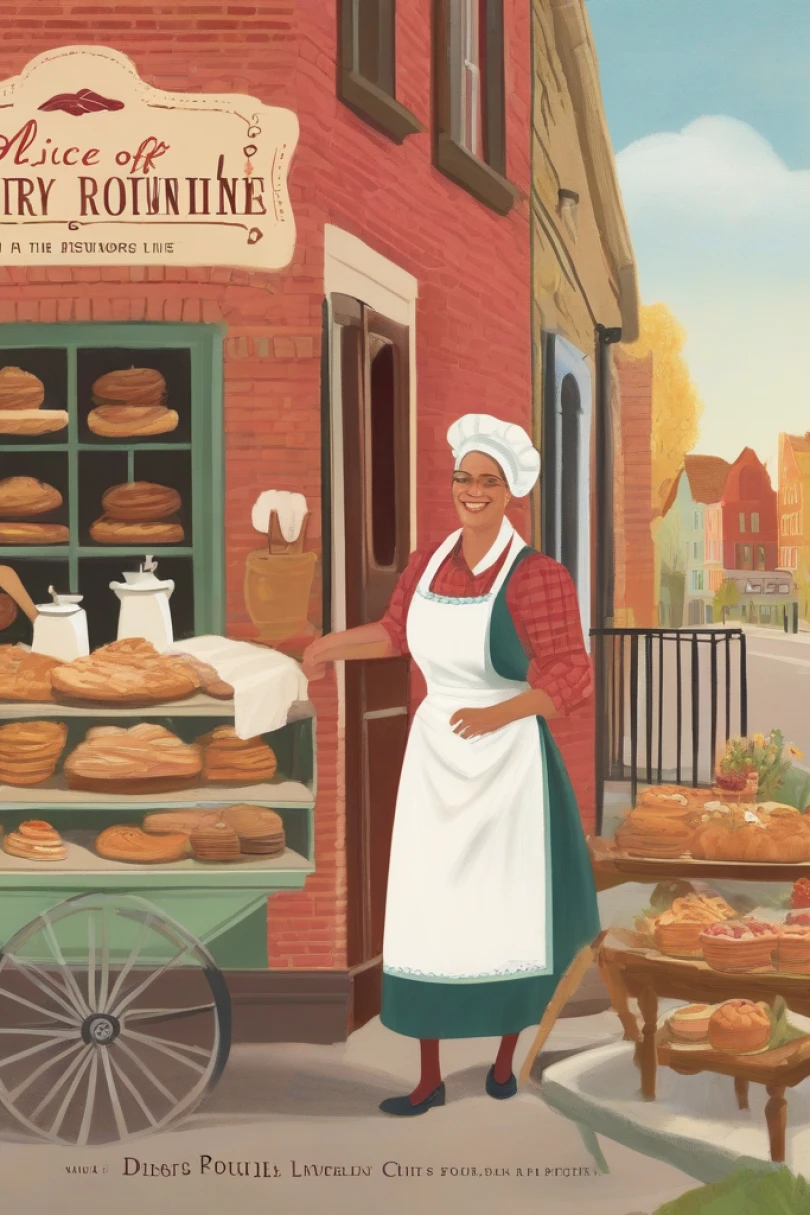
4 July 2026This book felt like being handed a warm bun at 8 a.m. and then realizing you actually need to cry a little. Mira’s return to Willow Road is written with so much care that even the ordinary bits — the cracked station tiles, the dusty bell on Dawn & Co., the old counter grooves — end up carrying a ton of emotion. I really liked that the story doesn’t treat saving the bakery like some glossy “follow your dreams” fantasy. It’s paperwork, repairs, awkward conversations, neighbors showing up with ladders and opinions, and Mira having to decide whether her attachment to the place is nostalgia or something sturdier. Mr. Hargrove was one of my favorite parts because he’s not there to deliver speeches; he just keeps being quietly useful in a way that makes the town feel real. And the scenes of the community rallying around the shop — not just with money, but with time, labor, and those tiny promises people make and actually keep — landed hard for me. The whole book has this gentle but persistent belief that a place can survive if enough people keep showing up for it. It’s soft, yes, but not flimsy. By the end I was completely rooting for the bakery, the street, and Mira herself.
on Mornings on Willow Road
Caleb Turner
4 July 2026Pretty disappointed by how this one played out. The opening at Mer & Mend is great — Nadia counting sparks from the soldering iron, Min zipping around barefoot, Ivo humming off-key — but after that it starts repeating itself in different outfits. She finds a fragment, someone from Atlas & Co. shows up, there’s another moody bit of rain on the quay, and then we get another reminder that public songs are being hoarded. I got the point early, and the book kept acting like the point was still being revealed. The bigger issue is that the mystery around Nadia’s own missing lullaby never really feels mysterious. The story keeps hinting at a big accident ten years ago, but the answer is telegraphed so hard that the later reveals land like a wet sock. Even the municipal archivist, with his crooked handwriting and weird timing, felt obvious the moment he appeared. And once Min turns from clever apprentice into full-on plot helper, the emotional beats get shoved around to make room for the next chase or confrontation. I also had a hard time buying the rules of the harmonic needle. It can recover memories, expose corporate control, open up “public seams,” and apparently do whatever the scene needs. That made a lot of the tension fade. By the time Nadia’s big city-wide remembering moment happened, I was just waiting for the book to get there already. Some strong images, sure, but too predictable and too slow to really hit.
on The Mnemonic KeyLatest Comments

Laura Mitchell
13 August 2026Yes! The gramophone comparison made the Spire feel almost predatory, like it’s tuned to people instead of weather. And I agree about the “mneme” wording — it sounds intentionally soothing, which makes it creepier. I’d love to know whether Mara is about to expose the whole thing or get pulled into it.
on Cadence of BrassDaniel Price
13 August 2026The detail that got me was the Spire being described like a gramophone gathering sound — that’s such a cool way to make the city feel alive and listening. Mara’s instinct to trust measurements over stories also says a lot about her world: facts are survival, while official language like “mneme collection” is basically a polished lie. I’m really curious how that public demonstration is going to go once the crowd realizes what’s actually in that velvet-wrapped cylinder.
on Cadence of Brass
Sarah Whitman
27 July 2026Yes! The pocket contents made him feel instantly real to me. I also love how the story turns 'small' civic stuff into something emotional — like the town literally needs permission to be itself for an hour. The lemon peel detail is ridiculous in the best way.
on The Toleration Bell of ClatterbyDaniel Price
27 July 2026The detail that got me was Elliot’s three pockets of junk — buttons, a metro token, and a phone number he’ll never call. That says so much about him before he even starts investigating the missing bell. And the idea that Clatterby can legally indulge in nonsense for exactly one hour is both hilarious and kind of profound. The lemon peel where the clapper should be is such a smug little crime.
on The Toleration Bell of Clatterby