About
Mountaineering pushed me to understand how struggle and triumph define each other in ways that safe experiences never reveal. The thrill of climbing translates into literature that celebrates overcoming obstacles through determination and skill.
Pinned Stories




Latest Reviews

Derek Whitman
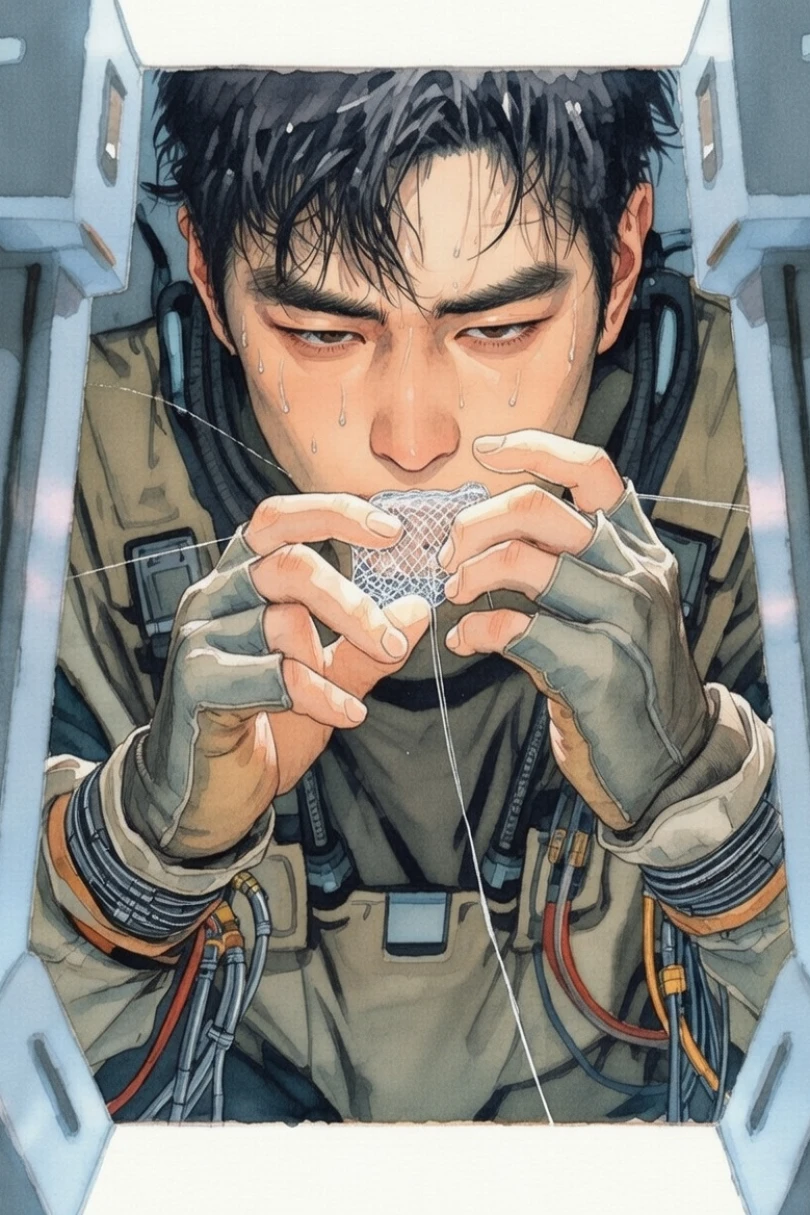
13 August 2026It’s got a really nice skin on it — the algae hash smell, the demo court, Ira fiddling with the emitter array, all that stuff is vivid — but the story keeps promising a bigger emotional hit than it actually delivers. Once Heritage Habitats Trust enters with the shiny pilot offer, I could pretty much see the rest of the book laid out in front of me. And yep, it goes there: reluctant responsibility, ethical unease, urgent family stakes, last-minute corridor crisis, then a softened ending where Ira chooses a quieter practice and somehow that’s supposed to feel like enough. The biggest problem for me is that Tamsin never becomes much more than a reason for the plot to move. The book says the restoration of touch is deeply personal, but the actual relationship between the siblings feels underwritten. Niko Hale is the same — he’s got the dry, older-mentor thing going on, but he mostly exists to nudge Ira in the right direction or mutter something about calibration. Even the live lattice splice, which should be the wildest part, felt mechanically impressive but emotionally pre-digested. Breath, muscle, counterphase anchors, braided conductors — cool imagery, sure — but the scene is structured so neatly that the tension evaporates before it can really hurt. I kept waiting for the story to get messier or stranger. It never quite does.
on Hushed Threshold
Hannah Clarke
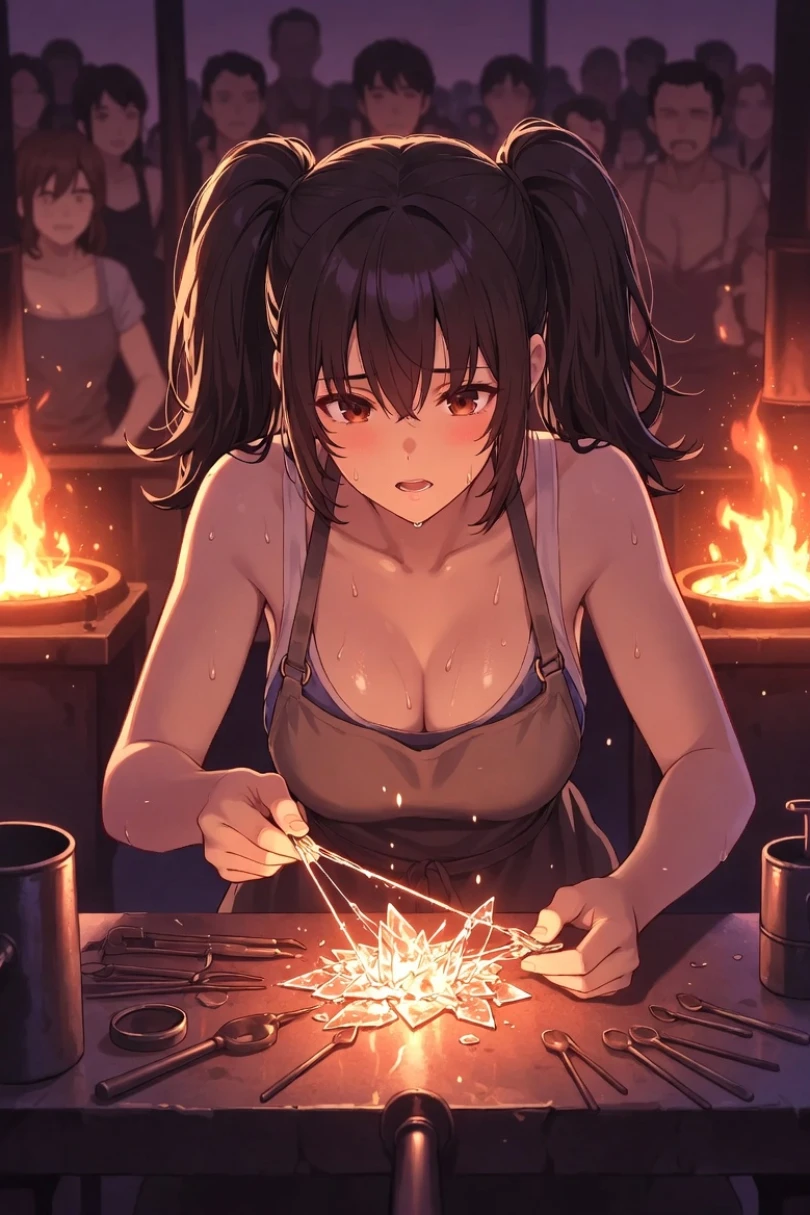
13 August 2026The worldbuilding has a nice texture at first, but the story ends up being way more interested in its own setup than in actually moving. I kept waiting for the Sky-Arc festival to surprise me, and it never really did. Sylvie is described so vividly at her bench — the chisels, the veinstone, the careful measuring with her thumb — but after that she mostly turns into a vessel for the plot. Same with Rafi. He’s supposed to be this fragile, lower-tier glassblower whose music matters enough to risk a citywide crackdown, and yet he never feels like a real person with messy edges. He’s just “the important one Sylvie is helping,” which got old fast. The pacing is the biggest issue. Whole stretches are spent luxuriating in sound geometry and artisan detail, then the story rushes through the actual conflict like it remembered it had somewhere else to be. The foreman’s rules-versus-freedom angle is obvious from the minute he shows up, and the guild oversight stuff never becomes as tense as it should. Even the romantic thread feels pre-packaged; you can see exactly when the emotional beat is coming, and it lands with a thud because the characters haven’t earned it. I like slow-burn stories, but this one felt more like stalled-burn. Pretty in places, sure, but frustratingly predictable.
on A City Carved for Two
Megan Collins
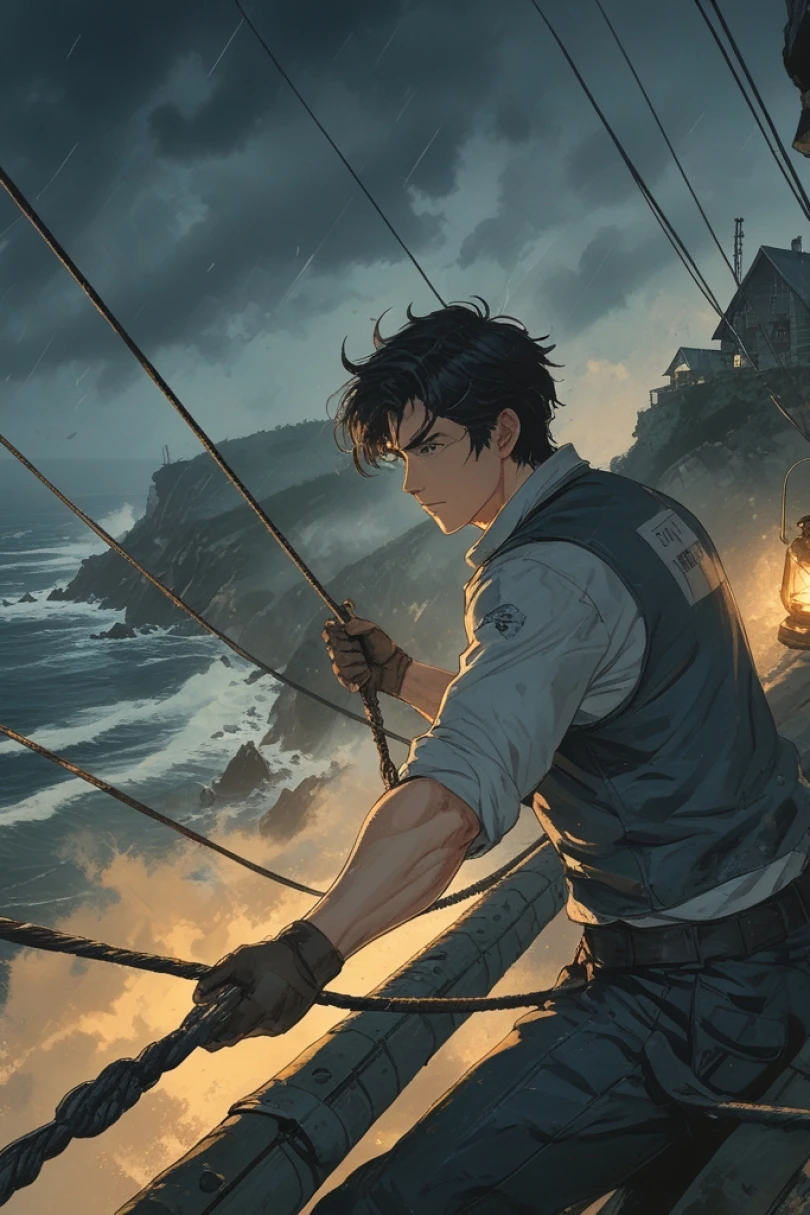
13 August 2026I ended up caring way more about ropework than I ever expected. Kestrel Hale is one of those characters who makes competence interesting — not in a flashy way, but because you can tell every cut on his hands, every habit, every tiny ritual has a history behind it. The scene where he taps the knot and mutters, “Keep people honest,” is such a good little character note. It tells you everything about how he thinks: practical, stubborn, and a little superstitious in the way real skilled people often are. What really sold me was the setting. Highwind Crossing feels cold, salty, busy, and a bit precarious even before anything goes wrong. The details about the storm boots, the ferrule covers, the kids hauling kelp, and even the old yearly wax boats all make the place feel inhabited, not just painted in as scenery. And when the gale finally hits, the book doesn’t turn into generic action. It stays focused on the physical reality of the repair, which makes the tension so much better. I also liked that the story seems willing to make the fix messy. Kest’s improvisation has consequences, and that’s honestly what gave the whole thing weight. Soren Vale works great as the older mentor figure too — not soft, not sentimental, just someone who knows exactly how dangerous skill can be when the weather turns mean. Really solid adventure with a lot of grit.
on The Last Knot at Highwind Crossing
Hannah Whitmore
27 July 2026The whole thing started to feel painfully obvious after a while. By the time Ari was already making little custom keys under the bakery and Tess was rallying the lane, I could see exactly where the story was heading: community bands together, magical mechanism gets “retuned,” lonely craftsman finally discovers belonging. Fine idea, but the execution is so telegraphed that none of the emotional beats really land. Even the rigid plate issue is introduced like a mystery, but it’s resolved in the most expected way possible, with everyone tapping in sync and the neighborhood cheering like they’ve just fixed a leaky sink. My bigger problem was pacing. The book seems obsessed with the texture of tools, brass, bread, and rain, which is lovely for about ten pages, but then it stalls. Ari spends so long in the workshop—file, press, lathe, Bolt being grumpy on top of everything—that the actual conflict doesn’t get enough room to breathe. Then the climax rushes through micro-keys and bridge plates as if the author suddenly remembered there was a deadline. I also never fully bought the characters. Tess is basically “organizer friend” in human form, Mr. Yusuf exists to make quips, and Bolt feels more like a cute prop than an actual presence after the first few scenes. It’s all competent enough, just not very surprising. For a story built on craft and ethics, it ends up feeling oddly mechanical.
on Keys for the Living StreetsLatest Comments

Marina Doyle
13 August 2026The detail that got me was the town lamps blinking like they’d been gently woken up — that’s such a soft way to show something is wrong without making it scary. Pip feels so real with his stitched wing and that father’s thimble in his pocket, like he carries comfort around with him. Also, a loom that breathes? Gorgeous. This has the exact sleepy, keep-you-safe energy a bedtime story should have.
on Pip and the Moonthread
Daniel Brooks
27 July 2026Yes! That contrast is what sold it for me too. Mara feels like someone who fixes things first and worries later, which makes the pendant and the fragment even more intriguing. I’m already suspicious of that “ordinary” town energy — it feels like the calm before something much bigger.
on The Hollow KeyNina Whitaker
27 July 2026I really like how the story starts with all these tiny, normal sounds — the milk cart, the shopkeepers, the chimneys — and then slips in that weird seam in the cobblestones like it’s the most terrifying thing in the world pretending to be ordinary. Mara grabbing the child with a chain and hook felt so believable for a toolwright; it’s heroic without being flashy. And that little metal fragment humming in the street? Creepy in the best way.
on The Hollow Key
Nina Brooks
4 July 2026Right? I love that the town itself feels like it’s listening back. The bell tower, Hollow Lane, and those tiny sound cues make the whole thing feel alive. Also, “student-scared energy” is spot on — Jonas seems like he knows more than he’s saying.
on The Undertick