About
Mountain trails and river crossings taught me that adventure lives in movement rather than destinations. The journey always matters more than wherever you end up. Years of hiking rugged terrain, navigating uncertain paths, and finding my way through wilderness taught me lessons about perseverance, transformation, and the beauty of uncertainty that now flow through every narrative I create.
Pinned Stories



Latest Reviews

Marcus Ellison
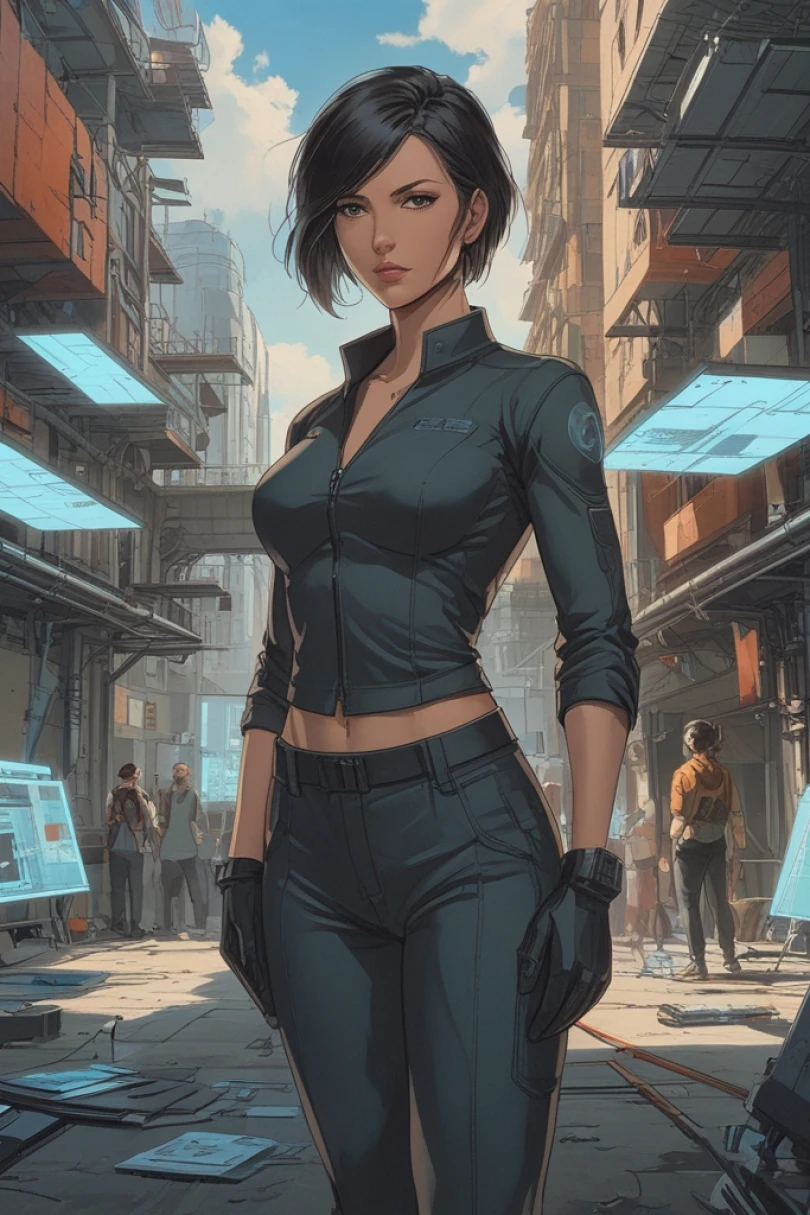
27 July 2026This book made me care way more about ventilation math than I expected. Cass is just so grounded — not in a boring way, but in that very specific “I’ve patched this myself and I know exactly why the cheap option fails later” way. The opening with the wrist HUD, the miniature Quarter, and those obnoxiously specific build-sparks already tells you the story is going to be about real labor, not just flashy game systems. What hooked me hardest was how the city actually matters. New Tanais feels busy and opinionated, from the algae-caramel street stalls to the canal lanterns, and the social pressure around Living Week never disappears into the background. Cass choosing the hands-on repair route instead of the glossy sponsor deal felt like a risky decision with consequences, which is rare enough that I noticed. Same with the community template idea — it’s not treated like a magic fix, more like something people will argue over, adapt badly, improve, and maybe use against her a little before it becomes useful. Rafi also deserves a shoutout. He’s not the “wise best friend” type, just this dry, slightly chaotic voice on comms who keeps Cass from disappearing into her own head. And honestly, that Outer Cascade barter with the lifetime repair promise was one of my favorite details because it made the economy feel weirdly human. If you like LitRPG where the skill checks are part of the character, not just loot popups, this one lands very well.
on The Habitect's Choice
Daniel Mercer
27 July 2026The first chapter had me hooked, honestly, but the book keeps spending all its charm on atmosphere and none on surprise. Tamsin’s lemon-and-storm-salt gloves, the gull-sellers, the mint-scented Master Joryn, all of that is vivid — but once the Hollow Span starts threatening to fail, the story pretty much goes exactly where you think it will. Tamsin notices a strain, Kae rushes in with the heavy lifting, Joryn says something measured and wise, and then Tamsin gets the final correct answer at the perfect moment. Repeat as needed. That would’ve been fine if the character work had more bite, but Tamsin’s ambition never really turns into a problem. She’s “prickly” in the polite, approved way, and the council conflict feels like scenery. Even the festival crowd watching from below never becomes much more than a pressure gauge. I kept waiting for one bad call, one cracked span, one consequence that couldn’t be fixed with another adjustment and a heartfelt look, but the book keeps backing away from the edge. So yeah: gorgeous setup, solid concept, disappointing payoff.
on Hands That Shape the Open Sky
Tessa Monroe
4 July 2026This one got its hooks in me fast. Naomi coming back down that road into Harrowfield — lilies on the seat, hands clenched around the wheel, all that damp-gray coast energy — already felt painfully real before the supernatural stuff even fully kicked in. And then the book keeps going in this really smart direction where the town doesn’t just *hide* its pain anymore, it starts doing the work out loud. That shift from secret bargain to shared ritual is honestly the part I liked most. Naomi works best when she’s not being treated like a chosen one, but like someone with a job nobody else wants: holding the memory of people who are gone without letting the living disappear into silence. Etta is great too, especially in those little domestic scenes where she fusses over details that seem minor until you realize they’re how she survives grief. I also loved how the marsh never feels like a cartoon monster. It has hunger, sure, but it also feels old and almost injured, like the town has been bargaining with something it never really understood. What surprised me most was how tender the book gets without turning mushy. Even the ugly parts — the changing private recollections, the cost of remembering together, the way certain truths have to be re-lived before they can be shared — land hard. By the end I was fully invested in Harrowfield’s chorus of care. It’s spooky, sad, and weirdly hopeful in a way that stuck with me after I finished.
on The Night's Bargain
Derek Holloway
4 July 2026The first few pages set up something I thought was going to be genuinely eerie—the whole town going quiet, the quay bell stopping, Elsie’s laugh not “cracking” anymore—but it ends up feeling way too safe. Ivy is sweet, sure, and Wind‑Up Wonders is lovely to picture, but after a while the book just keeps repeating the same idea: listen harder, be kinder, fix the thing. That’s nice for a chapter or two, not for an entire adventure. The Echo-Skein especially annoyed me because it solves too much without enough explanation. It’s “gifted” to Ivy and then conveniently points her through the marsh and the mill like a magic breadcrumb trail. I kept waiting for a complication, some wrong turn, or even a real cost to using it, but no. Tams, Aunt Lottie, and the townspeople all feel like they exist mainly to react to Ivy rather than have their own arcs. Even the silence over Bluebell Harbor starts to feel less like a mystery and more like a checklist. By the end, I was honestly checking how much story was left because the pacing is so lopsided: loads of cozy description, then a quick resolution. Pretty little book, but it doesn’t give its own idea enough room to breathe.
on Ivy and the Echo-SkeinLatest Comments

Daniel Reed
27 July 2026Yes — and the fact that he sends it to his personal queue instead of verification makes it feel like the first crack in the wall. That little symbol on the console gave me goosebumps; it reads like the story itself is remembering something the city tried to bury.
on Routine Edit
Maya Collins
27 July 2026Yes! And the fact that the first real conflict is already sitting there in the SAVE OUR BLOCK flyer makes it even stronger. I also loved how Mateo isn’t introduced as some glossy hero, just a guy mid-repair with resin dust and a calm voice. It feels very lived-in.
on We Belong HereNina Foster
27 July 2026I love how the Exchange feels less like a workplace and more like a chapel for forgetting. The line about Orin's edits being 'triage' really hit me, because it makes the whole system sound caring right up until you realize it's also cutting people apart. That pre-Equilibrium file with no sender is such a perfect nightmare trigger.
on Routine Edit
Derek Holloway
27 July 2026What really sold me here was the discipline of the opening — Aden checking the cable by ear, then confirming it with his hands, feels so grounded. The little details like the waxed twine, the rolling hitch, and even Halver’s cane-shaped mast make the world feel lived-in. And then you’ve got that ridiculous preserved-breeze stall right beside serious span work, which is just such a great contrast. It makes the rescue feel believable and funny at the same time.
on Crossing the Unseen Spans