About
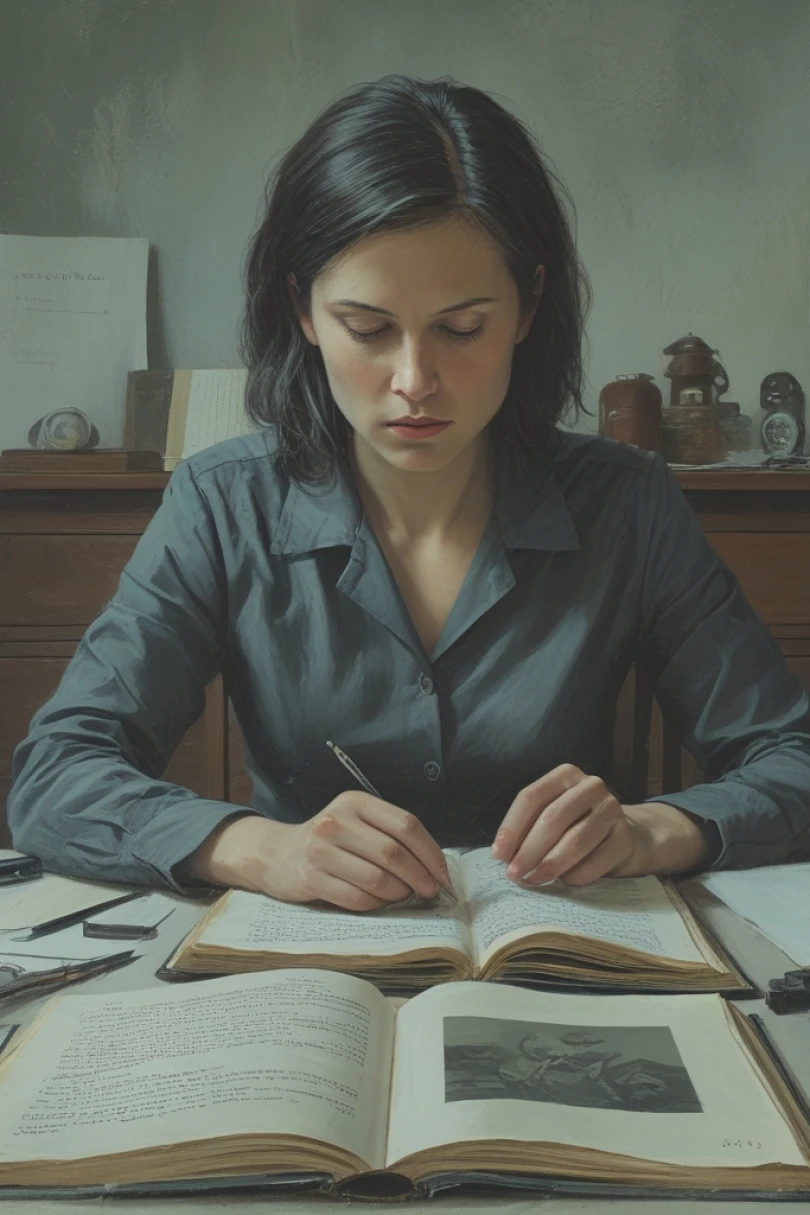
Portrait painting taught me to observe faces and emotions with the kind of detailed attention that most people never develop. The transition from visual art to literary art felt natural when I realized that both mediums explore human nature.
Pinned Stories

Latest Reviews

Megan Foster
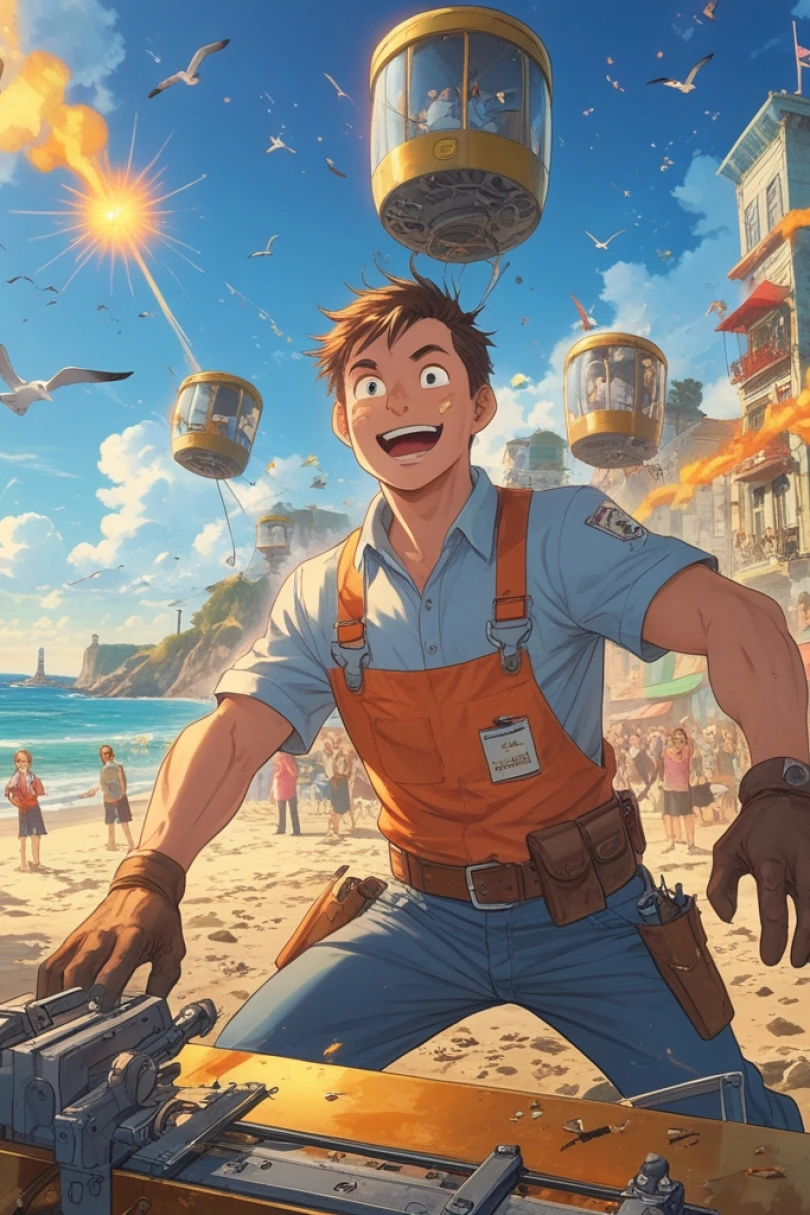
27 July 2026Cute setup, but it got old fast. Hugo’s humming-and-fixing routine is funny the first couple of times, then the story basically keeps serving the same joke: he’s quirky, the town thinks he’s charming, Tess rolls her eyes, repeat. By the time the Vertical Festival disaster hit, I could see every beat coming — the crowd, the wobble, the dramatic scramble into the shaft, the applause after the save. Even the later inspection and community backlash felt like they were ticking boxes more than actually shaking anything up. My bigger issue is that Hugo never really feels like he changes in a convincing way. The book tells us he’s learning humility and care, but he’s already the “good craft guy” from page one. Tess has potential, but she’s mostly there to be the dry voice next to his big personality, which got frustrating. I also kept wondering why the town is so weirdly impressed by very basic competence. If the whole point is beauty plus careful craft, fine, but the story spends a lot of time telling me that instead of actually building it into the plot. It’s light and harmless, and the mechanical details are decent, but I finished it feeling like I’d been promised a bigger payoff than I got.
on High Hopes, Low Ropes
Ella Morgan
4 July 2026This book had me at the first brushstroke. Rowan feels so real that I could practically smell the linseed and wet pavement, and I loved how her work isn’t just “magic” in the usual sense — it’s skill, muscle memory, and this eerie instinct for what a surface is trying to remember. The toyshop scene with Maris and the little boy is the kind of thing that sneaks up on you emotionally, and then later the bigger fight over erased street names makes it hit even harder. What really worked for me was that the story doesn’t treat the city like a backdrop. The streets, signs, kiosks, even the old paint layers all seem to have opinions. I also liked that the tech side of the conflict feels cold without becoming silly. The company trying to sanitize public history comes off like the kind of people who’d call it “upgrading” while quietly flattening everything that matters. And Rowan’s sacrifice lands. Losing one private memory to keep the city anchored is such a brutal trade, especially because the book follows the aftershocks instead of hand-waving them away. That made the whole thing feel more grown-up than a lot of urban fantasy. Really solid, surprisingly moving, and full of images that stick in your head.
on Inkbound
Sophie Calder
4 July 2026This one won me over pretty quickly. Saltwell feels lived-in in a way a lot of children’s books don’t manage — the bakery smell mixing with sea air, the noisy gulls, the workshop full of ticking clocks, all of it just pops off the page. Tala is a lovely lead because she’s not a chosen-one type kid; she’s observant, practical, and a little guarded, which makes her feel real. The way she learns by listening to gears and watching what other people do is such a nice change from the usual sprint-through-the-quest approach. I also really liked how the story treats the missing note as more than a simple “find the object” problem. The whole Nightwatch idea is charming, but what stayed with me was the community part — Grandfather Orr trusting Tala, Mr. Graft being awkward but important, the captain bringing his own experience, and even the Tin Sparrow turning up as this tiny burst of chaos that somehow helps everything move forward. It all has that gentle, repair-the-broken-things kind of feeling that kids can actually latch onto. Honestly, this is the sort of book I’d happily read aloud. Cozy without being dull, magical without getting too flashy. Very sweet, and it knows exactly what it’s doing.
on The Nightwatch of Saltwell
Derek Bell
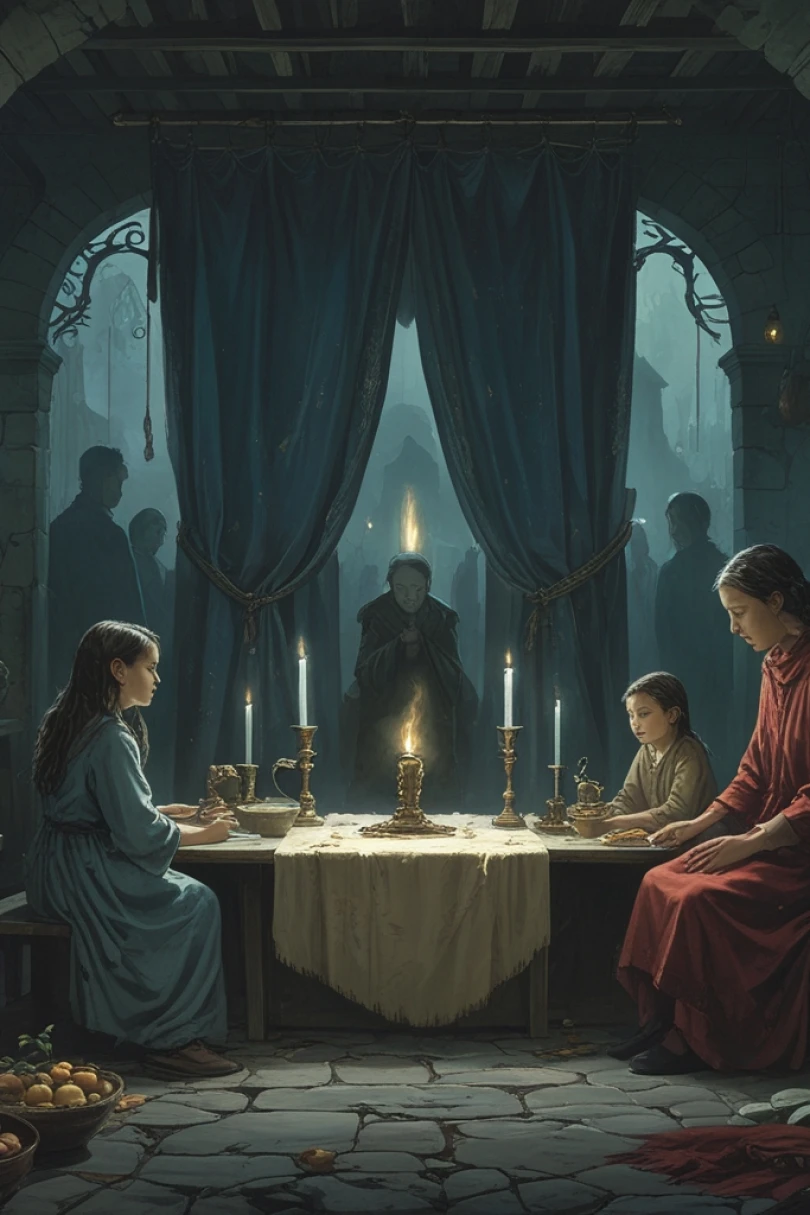
4 July 2026This one got under my skin in a good way. The whole setup in the subterranean market is just nasty and beautiful at the same time — the curtained room, the glass holding a night of vigil, Corin trading away a piece of herself so Jun can get their voice back. I really liked that the story doesn’t treat the bargain like some dramatic one-and-done fix. The voice comes back, sure, but it comes back wrong enough to matter, and that mismatch between relief and loss is what makes the book work. Corin and Jun feel lived-in right away. The paper notes, the little pauses, the way Corin learns to read a tilt of handwriting instead of a tone of voice… that stuff is weirdly tender. And the details around the Exchange — the seam-marks on skin, the clerks, the blackened token she keeps pressing in her palm — make the world feel like it’s been chewing on people for years. I also liked that Corin isn’t written as some flawless grieving parent. She’s practical, guilty, a little exhausted, and the story lets that messiness sit there. By the time the later chapters get into the awkward rebuilding, the failed lullabies, the strange new routines, it feels earned rather than sentimental. The ending hit me hard because it doesn’t pretend everything is fixed. It’s more like they’ve built a small life around a hole and are stubbornly continuing anyway. Dark, intimate, and really effective.
on The Hollow ExchangeLatest Comments

Diana Mercer
7 August 2026Mara’s apartment feels like a witness stand before she even leaves bed — the blinds, the radiator, the blinking memo, all of it so controlled and yet completely off. The part that got me was the photo among the archival portraits: it’s such a clean breach in her carefully sorted world. And that line, “I kept the promise,” hits harder because it sounds rehearsed, not accidental. Really creepy in a quiet way.
on Peripheral Vision
Olivia Hart
27 July 2026Yes — that line about the city refusing the sound gave me goosebumps too. I like that the story doesn’t treat restoration as a simple fix; even the archive tech feels morally loaded, especially with Tess present and unknowable. It makes every recovered fragment feel expensive.
on After the ForgettingDylan Mercer
27 July 2026The detail that hit me hardest was Tess not knowing Mara *while still sitting there in the same room*. That’s so much more devastating than a full wipe. The pressed leaf, ticket stub, and corroded VAULT module all feel like relics from a life that’s trying to argue its way back into existence. Also, the “city itself were refusing to let the sound be heard” line is chilling.
on After the Forgetting
Jason Miller
4 July 2026Yes! The car-ticking bit felt almost like a warning bell to me. I also liked how the brass 'Municipal Service' pin makes the whole thing feel official in the worst way — like this isn’t random vandalism, it’s policy.
on Homecoming