About
Northern tribes shared legends with me that most scholars never hear in their academic studies. Epic tales flow naturally when you understand how oral traditions really work. Years spent among communities where storytelling remains a living practice rather than an archived artifact taught me that the greatest narratives aren't written in libraries—they're carried in memory, refined through repetition, and shaped by the specific needs of the people who keep them alive.
Pinned Stories

Latest Reviews

Caleb Warren
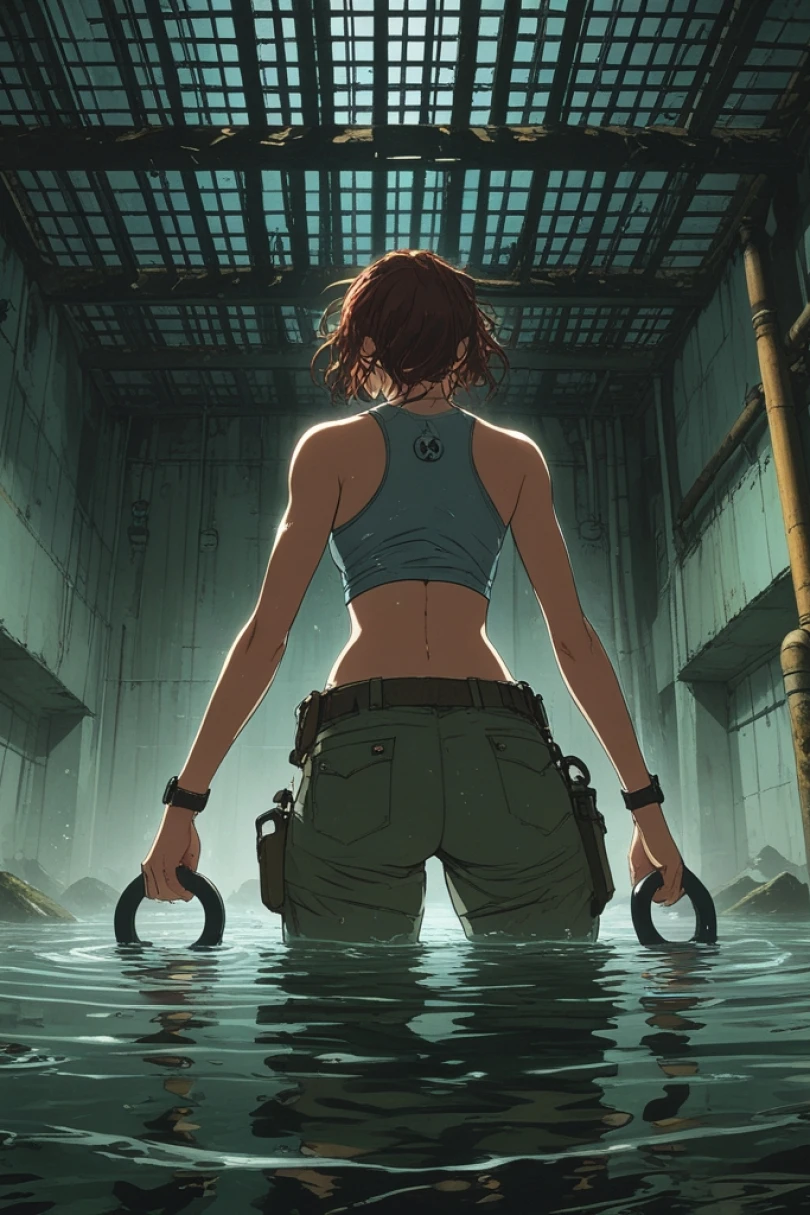
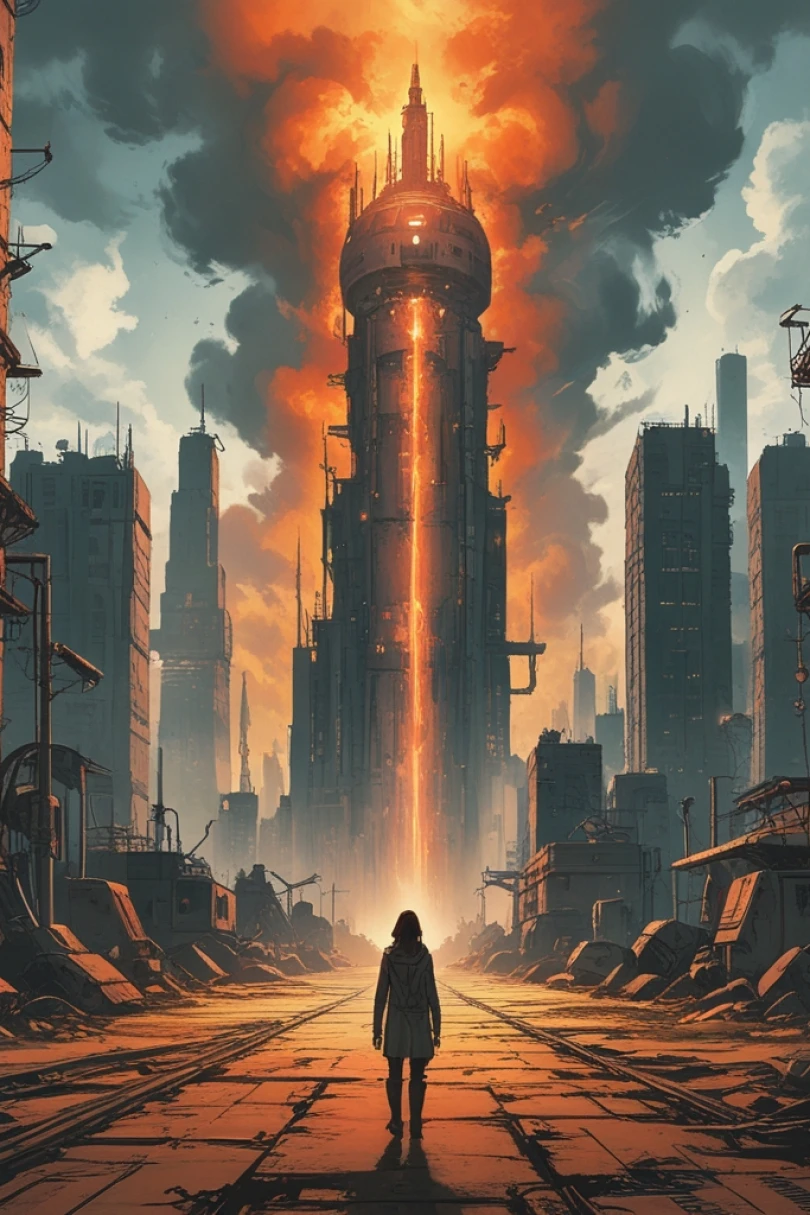
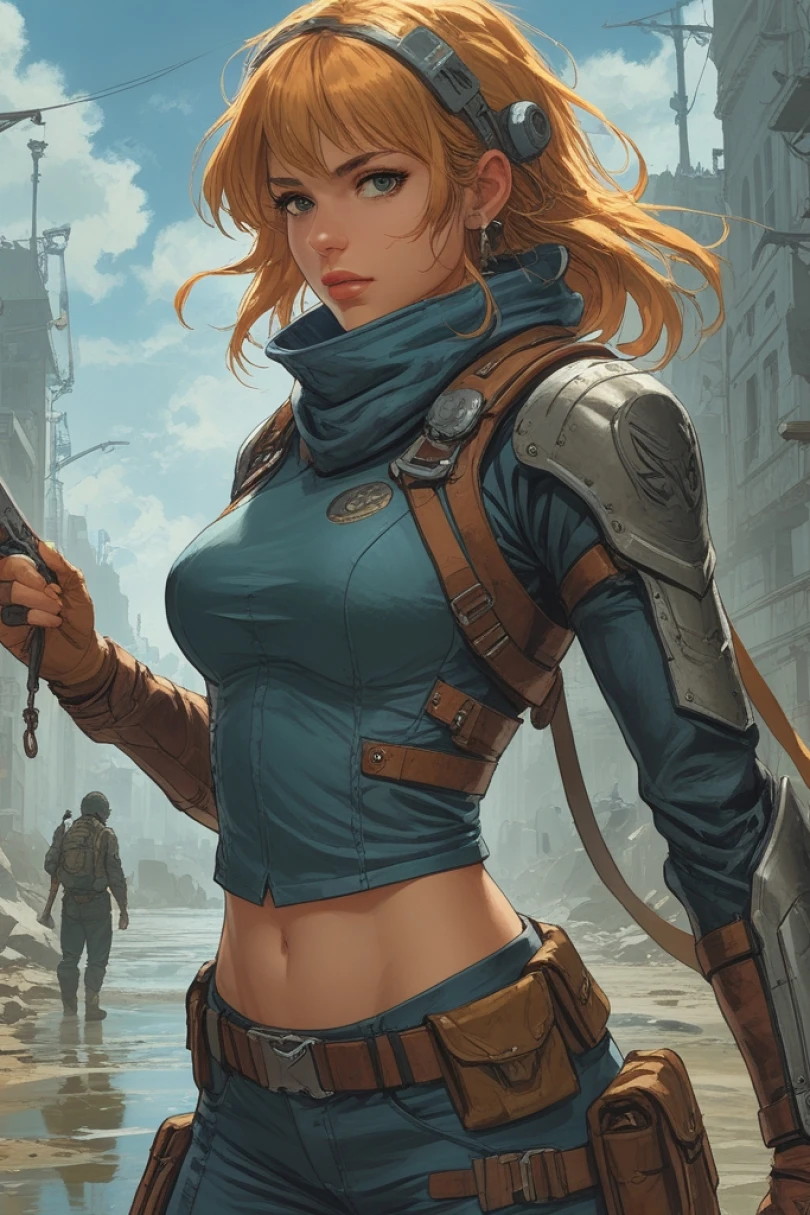
13 August 2026This one surprised me in the best way. I went in expecting grim post-collapse misery and got a story that’s basically half survival drama, half argument about what a community owes itself. Etta Calder is the real draw here — not because she’s flashy, but because she’s competent in that deeply satisfying, “this person knows exactly which bolt will fail first” kind of way. The scene where she’s doing morning rounds, listening to the pumps like they’re living things, tells you everything about her without needing a giant speech. What I liked most is that the book never treats the waterworks as background set dressing. The conduit, the regulator chamber, the corroded disk, the bypass destabilizing everything — all of it feels like the plot, not just a prop. And when the stakes shift from “can she fix this?” to “should they even open the enclave to outsiders if she does?”, it gets genuinely tense. That choice doesn’t feel neat or easy, which I appreciated. Rafi also grew on me a lot. He starts off as the eager helper with a grin and a tool in hand, but he isn’t just there to nod at Etta’s brilliance. The way he tries to be useful, and then proves it, made the whole thing feel more human. Same with the enclave itself — the sun-catchers, the jerky drying on lines, the kids up on the roof — it all makes the place feel lived in, not just imagined. Solid read, and way more thoughtful than I expected.
on A Conduit for Tomorrow
Hannah Whitaker
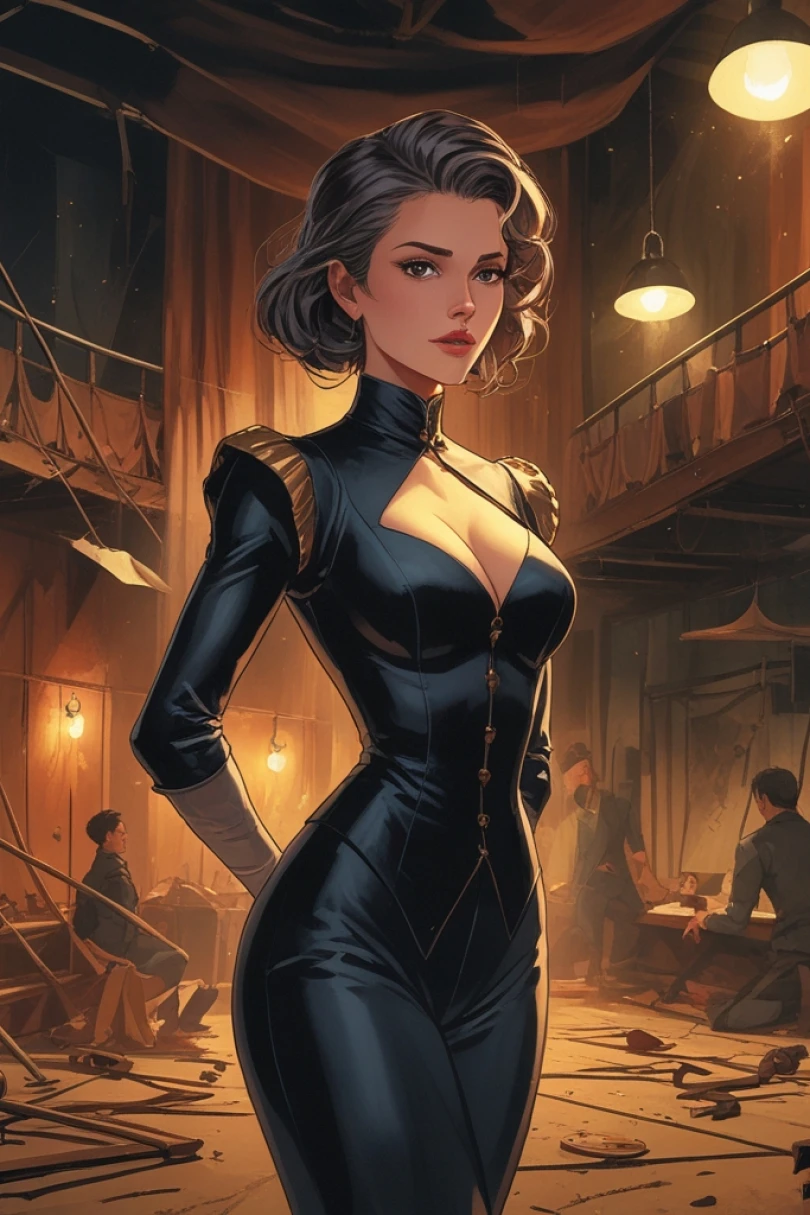
27 July 2026Honestly, this one won me over with the backstage stuff before the actual drama even hit. The Riverton Playhouse feels so real — the tea-and-starch morning, the pins catching the light, Marta showing up with fritters like it’s just part of the workday — that I was already invested before Nora had to start saving everybody’s necks. And when the rigging goes bad, the whole boning/grommets/umbrella-ribs fix is exactly the kind of practical panic I love reading about. It’s messy, clever, and completely believable. What I liked most is that Nora isn’t written like some unbeatable genius. She’s tired, sharp, a little prickly, and very much carrying the place on habit and skill. The apprentices learning by doing, Jonas trying to keep his hopeful little theatre dream alive, and the awkward return of the colleague who’d been missing from the shop all add actual human friction instead of everyone magically getting along. Even the civic pageant vs. private offer thread gives Nora a choice that feels grounded, not melodramatic. It’s a small story in the best sense: lots of care, a few anxious moments, and a real sense that a town survives because people like Nora keep stitching it back together.
on Alterations of the Heart
Derek Holloway
4 July 2026Dry Creek starts out with a great hook, but the story pretty quickly settles into rails I could see from a mile away. Ephraim’s ledger, the patched cover, Mrs. Kline’s house account—nice details, genuinely. But once Rook rolls in with the too-new coin and the black horse, I knew exactly where this was headed: railroad greed, burned records, a town rallying around the quiet bookkeeper, etc. The biggest problem for me was how convenient everything got. The prism shows the right marks at the right time, the surveyor’s memory is basically a cheat code, and every obstacle seems to clear just when the story needs another victory. Even the villains feel more like functions than people. Rook is icy and effective, sure, but he never becomes more than “dangerous railroad man,” and Burke’s turn doesn’t land because it happens too fast to feel human. Pacing was the real killer, though. The opening breathes, then the middle rushes through betrayals and evidence-gathering like it’s trying to catch up with a different book. By the end, I felt like I’d watched a well-lit version of a familiar Western rather than something with its own teeth. Not bad writing, just too predictable and too tidy for a story about burned ledgers and stolen water.
on The Last Ledger of Dry Creek
Daniel Reed
4 July 2026Pretty, but it felt like it was on rails the whole time. The opening with Etta noticing the night was “unfinished” is a nice hook, and I liked the image of the moonlight button on the sill, but after that the story basically tells you exactly what kind of comfort it’s going to deliver and then delivers it without much surprise. Nim shows up, explains the rules, and off we go to the elm and the ladder of light. There’s never really a moment where I thought, oh no, how is Etta going to handle this? That’s my main issue: the pacing is so careful it gets sleepy in the wrong way. Not calming-sleepy, just slow. Etta herself is sweet but pretty thinly drawn; she notices things, follows instructions, and reacts correctly, but I never got a strong sense of her beyond being “the child in a bedtime story.” Even the moon’s missing button idea, which is lovely on the page, ends up feeling more like a cute concept than something with weight. I also kept waiting for the story to do something unexpected with Kiko or Nim — maybe a little conflict, maybe a weird rule, maybe even some doubt about whether the button should go back — but it all stays very tidy. If you want a soft, perfectly safe nighttime read, fine. For me, it was a bit too neat and obvious.
on The Moon's Missing ButtonLatest Comments

Caleb Moore
13 August 2026Yes — and the fact that the Exchange has been normalized for generations makes it even darker. It’s not just sacrifice, it’s routine. Mara’s private ledger really hints that she knows exactly how rotten the bargain is. I’m curious whether Tavi’s mother’s memory will become the crack that breaks the whole ritual.
on Reckoning of the Nameless
Daniel Reed
13 August 2026Right? The humming detail makes the whole city feel alive, and when that memory slips, it’s way more personal than a typical magical mishap. I’m especially curious how the later consensual bond angle will change what these vows mean in practice.
on A Promise Between StarsNina Mercer
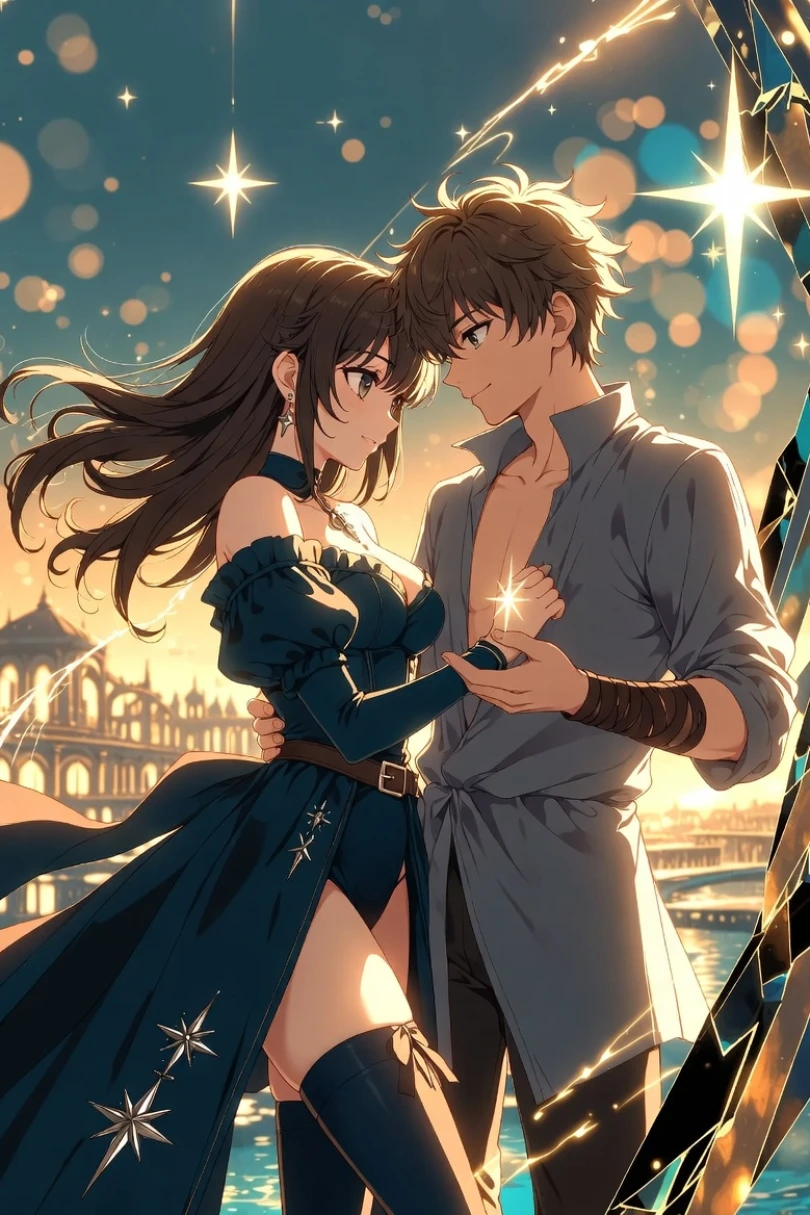
13 August 2026Okay, the idea that the city is literally built out of vows is so cool and unsettling at the same time. I really liked the detail about the starstones humming like distant bells, and then that tiny glitch where the vendor can’t remember his own child hits way harder because of it. This feels like magic with consequences, not just vibes.
on A Promise Between StarsNadia Wren
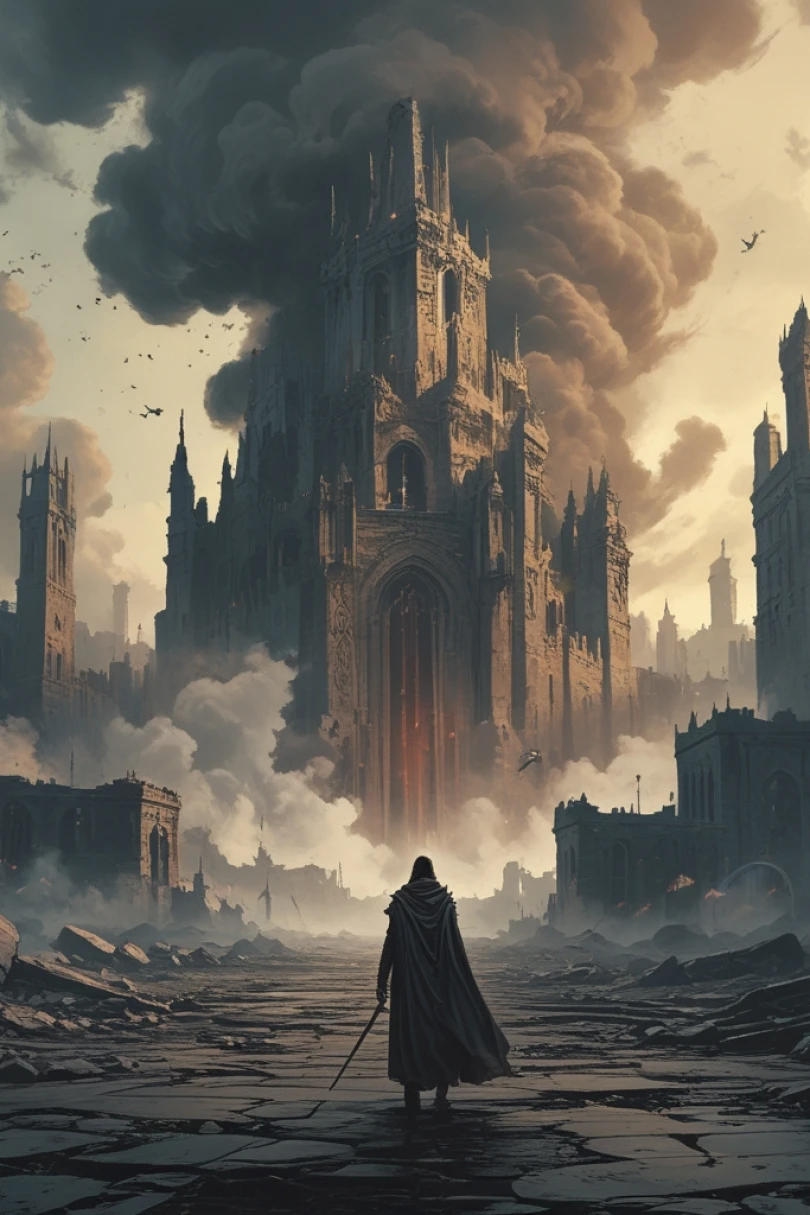
13 August 2026The detail that got me was the city treating names like currency and silence like a paid debt. That’s such a cold, brilliant concept. Mara feels less like a heroine and more like the person holding the whole system together with tired hands and bad sleep, which somehow makes her scarier and sadder at the same time.
on Reckoning of the Nameless