About
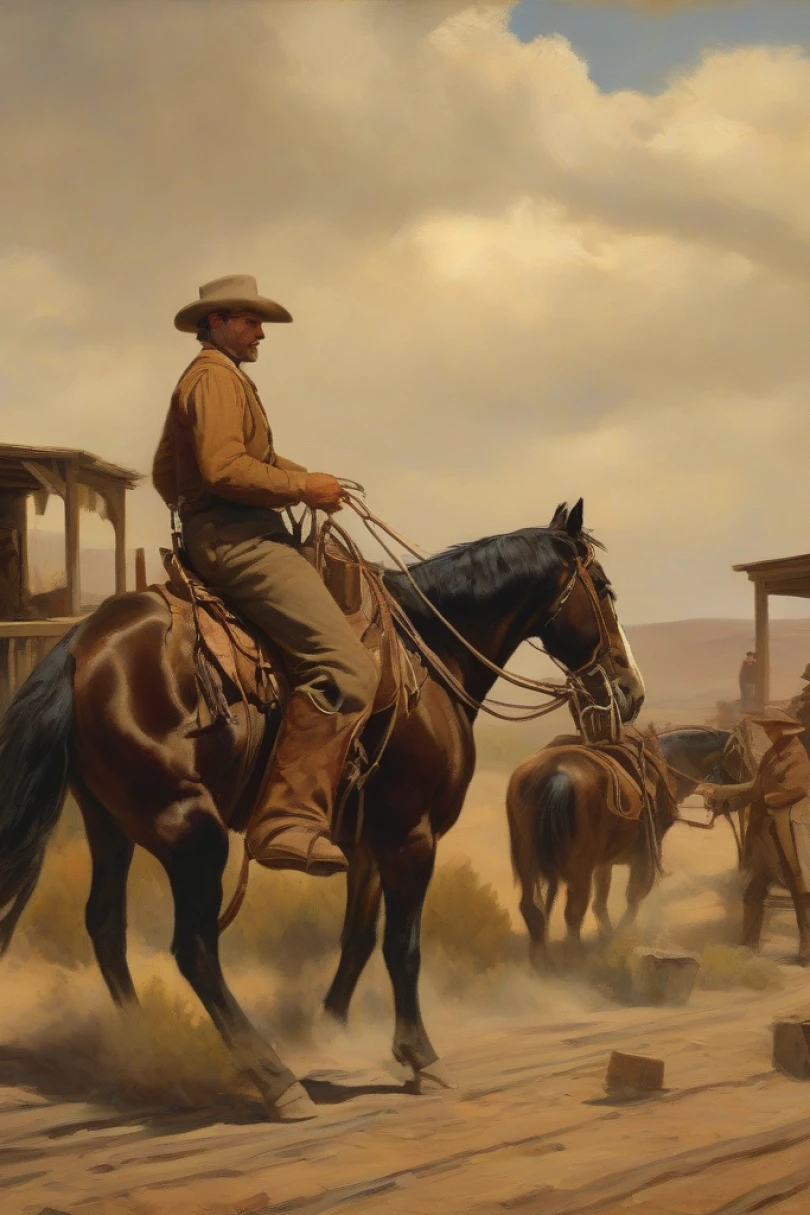
Fishing taught me about patience, storms, and the thin line between survival and disaster that defines life at sea. Salty, strong prose reflects the harsh reality of earning a living from an ocean that gives and takes without considering human needs.
Pinned Stories
Latest Reviews

Ethan Brooks
13 August 2026This book made me weirdly sentimental about elevators, which is not something I expected to say. Kellan feels like a real person from page one — the nick on his toolbox strap, the way he reads the city by sound, the deadpan little thoughts about bad guild coffee. It all gives him this dry, grounded presence that made the whole story easy to fall into. What I liked most is that the conflict never felt fake-big. The adjustments in the shafts are such a smart idea because they’re so small on the surface and so nasty in practice. Cutting people off by changing circulation timings is a nasty little power move, and the book does a good job showing why Kellan is torn. He’s not choosing between “good” and “bad,” he’s choosing between rules that keep the system stable and the very human mess of neighbors depending on each other. That’s where the story really works. The city itself is great too. The stacked terraces, the lower courtyard with kids clattering tin lids, the rooftop garden, the painter stuck on the fifth, all of it feels lived-in instead of ornamental. By the time the guild politics and neighborhood tensions really start tightening, I was fully in. Honestly, it’s the kind of story that makes you think about all the invisible work holding a city together.
on The Schedules We Keep
Megan Foster
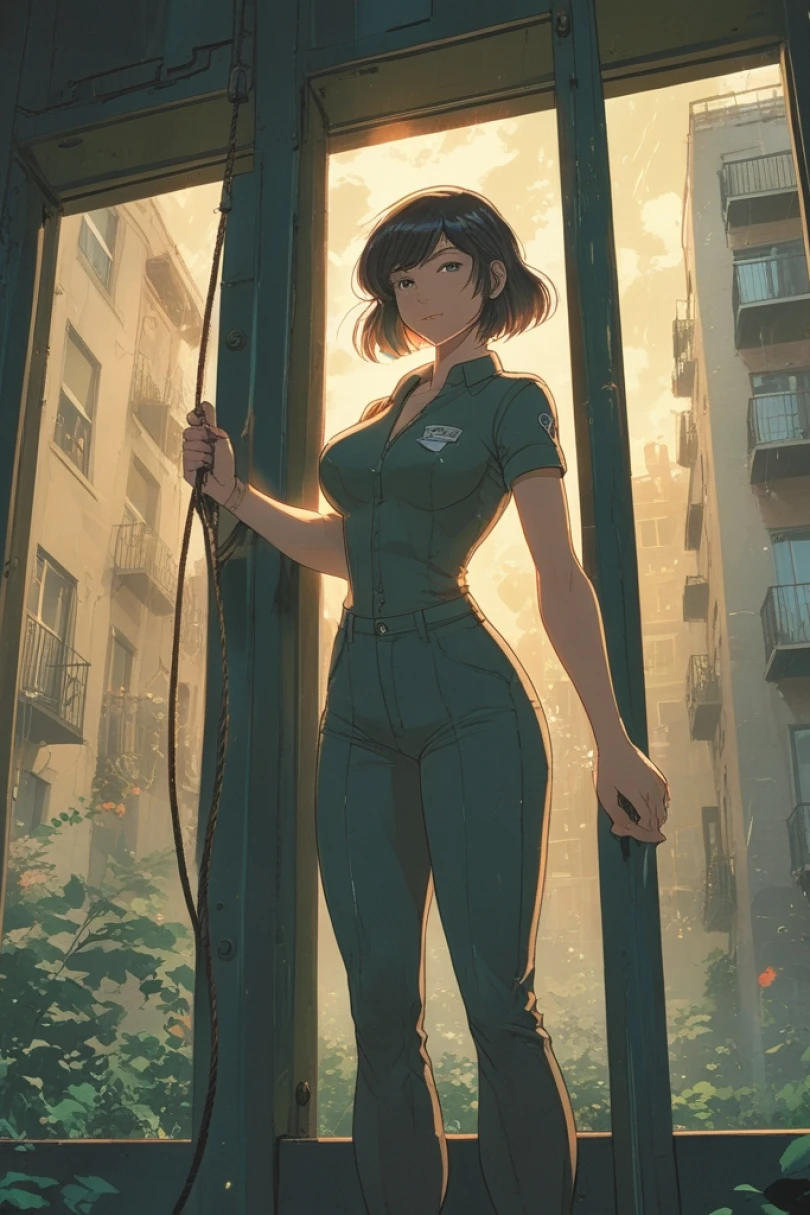
7 August 2026I’m weirdly attached to Harrington House now. Cass feels like the sort of person who’d fix your broken radiator, hand you a wrench, and somehow also talk you down from a panic attack without making a big deal out of it. I loved how the book keeps her grounded in actual work — the taped-up toolbox, the maintenance logs, the manual hauls, the smell of machine oil and Mila’s buns drifting up through the vents. Those details make the supernatural parts hit harder because they’re happening in a place that feels lived-in and stubbornly real. What got me most was the way the building itself starts to feel like a character instead of just a haunted backdrop. Etta by the front desk, Tomas with his terrible poker-face gossip energy, Mila feeding everybody, even the disgraced rubber chicken in the elevator — it all builds this strange little ecosystem that you end up caring about. And when the storm rolls in and things go bad, the rescue scenes are genuinely tense because Cass doesn’t solve anything with magic handwaving; she solves it like a mechanic, with grit, improvisation, and a lot of nerve. By the end, the “stay or go” choice didn’t feel cheesy to me at all. It felt like someone finally realizing that belonging can be a practical thing, not just an emotional one. Really charming, a little spooky, and full of heart.
on Where the Elevators Listen
Megan Price
13 June 2026The opening absolutely got me with the Archive’s ozone-and-citrus vibe and Mira treating her own blank week like a wound, but after that the book kept stepping on its own momentum. Every time it looked like it might sit with something uncomfortable — the orphaned fragment that calls her by the vanished childhood name, the underground vaults, the river node — it would sprint to the next reveal instead of letting the tension breathe. My main issue is that the story acts like the big ideas are enough on their own. Memory editing, institutional control, identity erasure, a staged release of raw memories that supposedly shakes up the whole city… okay, but where are the real consequences? The characters around Mira felt more like functions than people. Her colleagues, the twins, the business owner, even the folks tied to the vaults, all seem to exist for one scene and then vanish once their job in the plot is done. That made the whole thing feel oddly mechanical for a book about memory and personhood. Also, the pacing is just weird. It starts slow and moody, then suddenly starts dropping major developments like it’s checking boxes. By the time the citywide fallout kicks in, I wasn’t surprised so much as tired. There’s a good novel in here somewhere, but this version feels like it skips over the messiest, most interesting parts.
on Afterimage Protocol
Daniel Foster
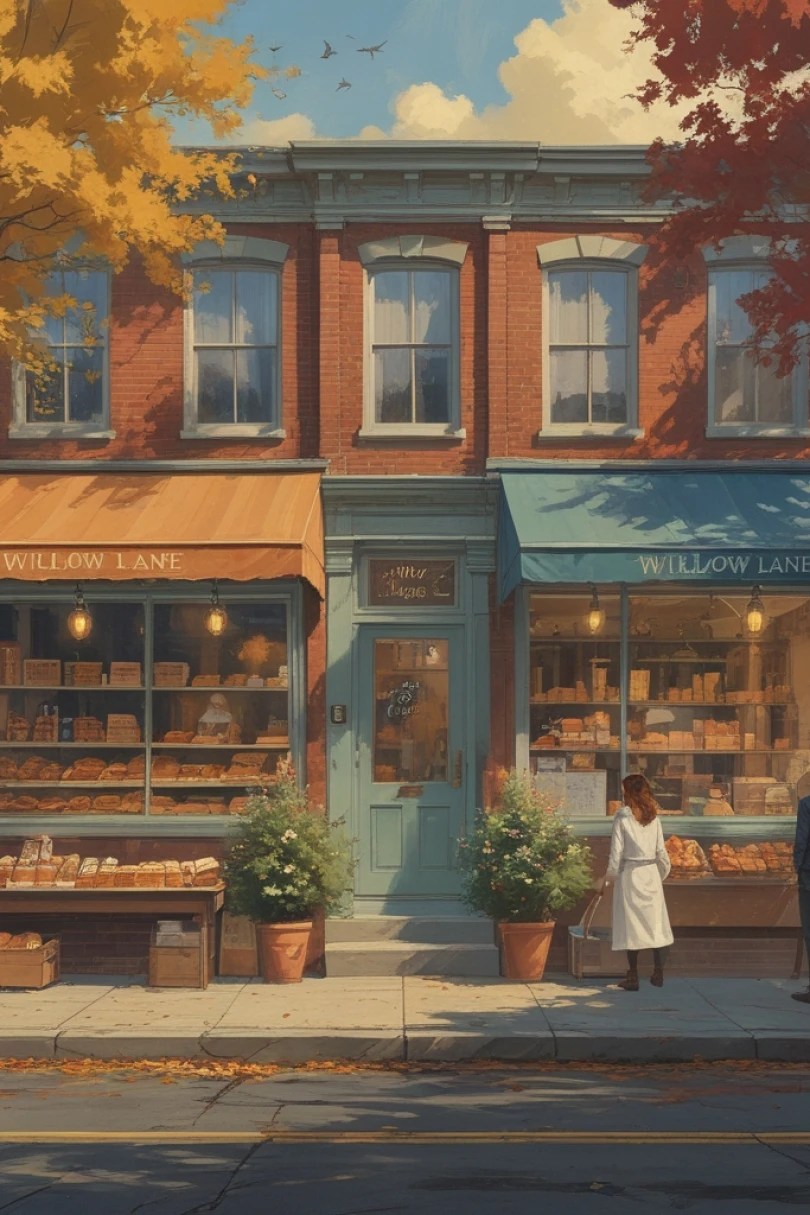
13 June 2026This book made me weirdly emotional about zoning meetings, which is not something I expected to say. Mara and Jonah feel like people who actually have history, not just two attractive leads getting tossed back together for drama. I liked that the story doesn’t pretend his return fixes anything. He left, and Mara’s still the one who has to deal with rent, regulars, and the fact that her bakery is basically the center of Willow Lane. The best parts for me were the practical ones: Clara showing up with flyers, Mrs. Alvarez speaking up for the neighborhood, and Jonah trying to put together an amendment that might save the bakery without turning him into some magical savior. That’s such a better setup than the usual “big gesture and everything is solved” thing. Even the bakery details — the early mornings, the smell of citrus and yeast, the cut-off loaf ritual — make the whole story feel grounded. Also, Mara’s guardedness makes sense. She isn’t waiting around for him to apologize beautifully and be forgiven. The trust rebuild is slow and kind of uncomfortable, which made it feel real. By the end I was genuinely rooting for them, not just because of the romance, but because the neighborhood itself felt worth fighting for.
on Blueprints for TwoLatest Comments

Caleb Warren
13 August 2026Same here — that whole setup feels like a warning shot. I also liked how the story makes the wires feel safer than the town itself, which is such a clever twist. Etta’s probably the only person in Dustwater who can hear trouble before it arrives.
on The Last Telegraph of DustwaterLydia Mercer
13 August 2026The line about the telegraph room being pressed against the ribs of Dustwater is just gorgeous. It makes Etta feel like part of the town’s last defense, not just a clerk at a key. And that little jab about Voss not sitting clean on her tongue? Great character writing. I’m already worried for Jonah.
on The Last Telegraph of Dustwater
Daniel Price
27 July 2026Yes, exactly. I also liked that the Spire’s machinery sounds almost gentle on the surface, which makes the ethical rot underneath hit harder. It’s such a clever setup for interactive fiction because every option seems like it could hurt someone in a different way.
on Song of the SpireHannah Whitaker
27 July 2026I’m really taken with how the story makes the town feel complicit without turning it into a villain. Coren’s “stability” talk, Tessa thanking the Spire for easing her son’s absence, and Jun’s wounded frustration all land differently, and that’s what makes the choice so sharp. The recording isn’t just a plot device — it feels like a moral trespass waiting to be played.
on Song of the SpireStories (11)

Tonight the Stairs Will Hold

The Schedules We Keep
Where the Elevators Listen

Song of the Spire

The Linden Street Guesthouse
When Promises Bloom
Blueprints for Two

Afterimage Protocol

Tide of Keys