
About
Medical training taught me to observe human frailty with scientific precision while maintaining the empathy that healing requires. Balancing clinical knowledge with emotional understanding creates fiction that honors both the complexity of the human body and spirit.
Pinned Stories



Latest Reviews

Ethan Marsh
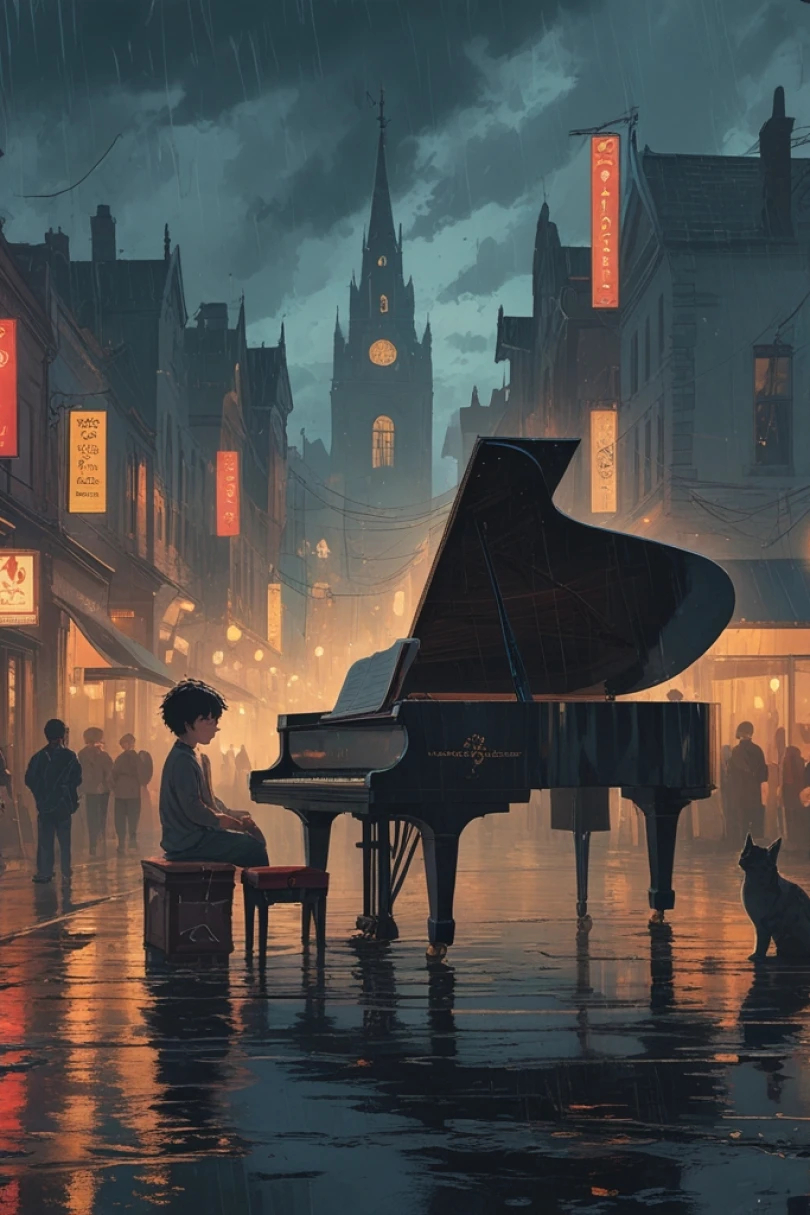
27 July 2026This was such a comforting read, but not in a sleepy way — more like “oh wow, these people actually know what they’re doing” comfort. Rowan’s whole tuning process felt so grounded and specific that I could practically hear the piano breathing in Arthur’s workshop on Sycamore Street. The little sensory details really sold it for me: varnish, soup, clove tobacco, even the cat acting like it pays rent. Weirdly, all of that made the live-set scene feel more intense, because the book has done the work of making every tiny sound matter. I also liked that Arthur isn’t just the standard grumpy mentor. He’s particular and a bit ridiculous in the best way, like with the middle names for instruments, but you can tell his rules come from care, not ego. Rowan’s quieter personality works well against that. They don’t need some giant speech to prove themselves; the story lets their hands do the talking, which fits the whole craft theme really nicely. The youth collective stuff gives the book a good amount of energy too. It could have turned into a boring “tradition vs. change” argument, but it stays human. By the time the tuning pin starts giving everyone grief, I was fully invested. The makeshift fixes — paper bows, the ferrule, the cat chaos — sound absurd on paper, but in the story they feel like exactly the kind of messy ingenuity a small town would come up with. Honestly, I finished this grinning.
on A Tuner's Hands
Marcus Ellery
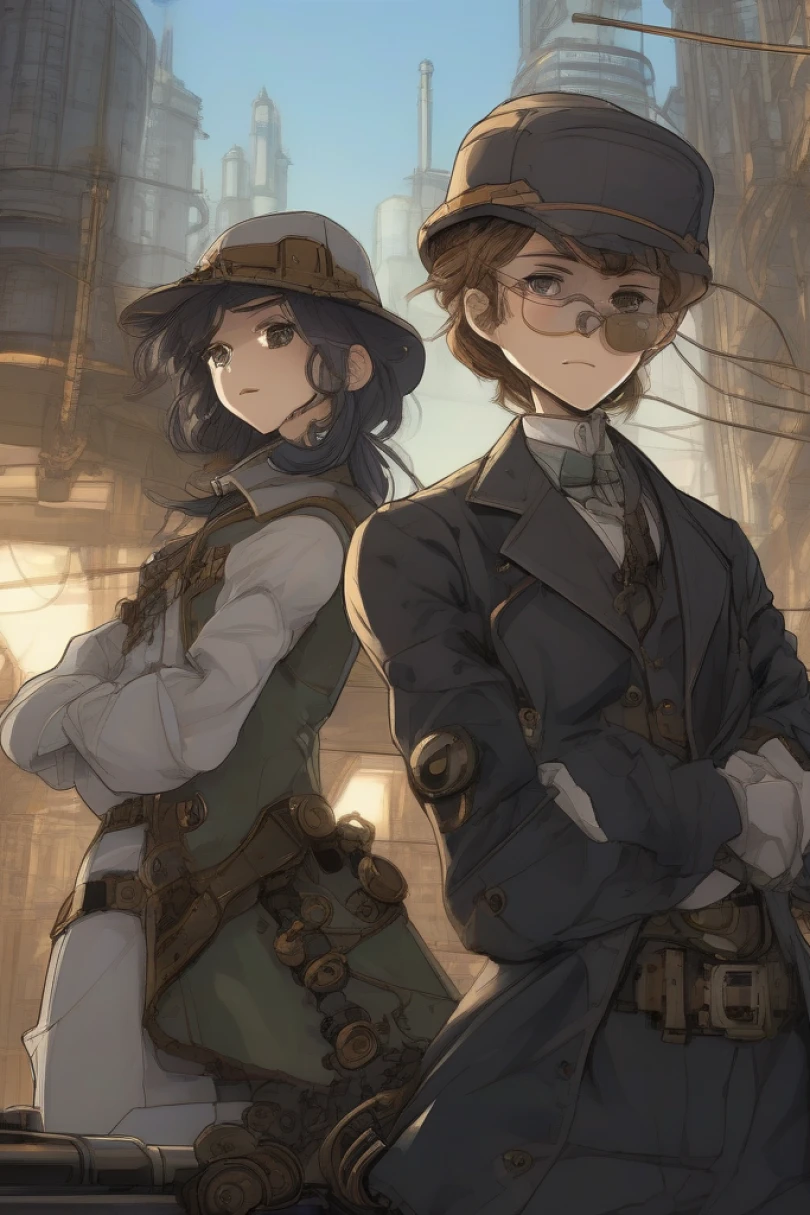
4 July 2026This book runs on vibes, clockwork, and a very satisfying amount of spite. Ada Corvin is great right away — not flashy, just competent in that deeply enviable way where she can hear a pipe misbehaving and know exactly what it needs. I loved that the story treats repair as something political without making Ada turn into a speech machine every five pages. Fixing a laundries’ pump, adjusting a valve, keeping people warm: those little jobs matter, and the book actually believes that. Juniper Hale’s shadow hangs over everything in a way that worked for me. The draped workshop, the inspectors rifling through his things, the prototype left behind like a dare — all of it gave the story a nice uneasy pulse. And the Conclave feels nasty in a believable way, especially the polished-faceplate types who hide control behind procedure and civic language. That monocled inspector is exactly the sort of guy who can ruin your day with a smile. What really sold me was the atmosphere. Ironwold feels lived in, not just decorated. You can smell the coal dust and hot oil, and the Hearthwheel is such a good central image for the whole city’s power structure. By the time Ada starts moving from quiet workshop fixes into something more openly dangerous, I was completely in. Solid, smart steampunk with actual heart.
on The Enginewright's Oath
Claire Morton
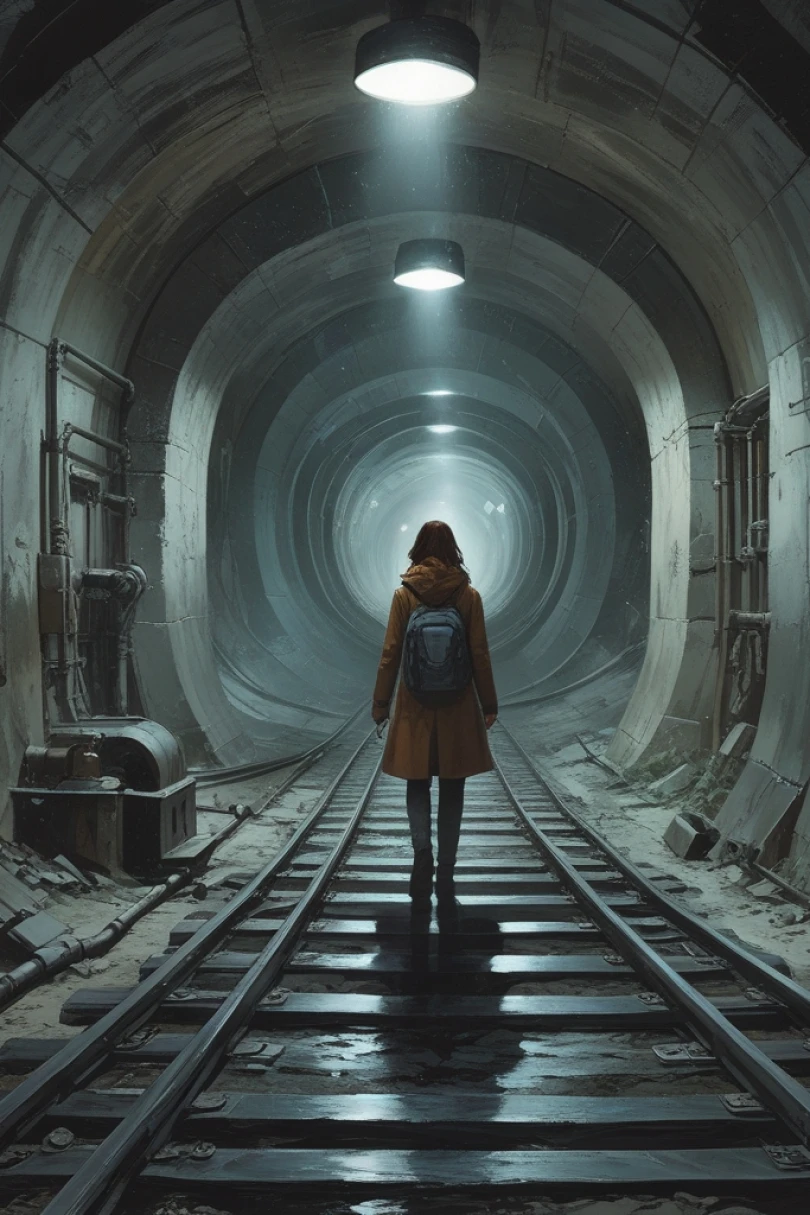
13 June 2026This book made Prague feel like it was breathing under my feet. I’m not even a huge thriller person, but the setup here is so good: Eva sitting in that seismic room, picking out the weird little chirp from all the city noise, then realizing it’s not just maintenance noise but something illegal crawling under the metro. That opening had me immediately. What really worked for me was how grounded Eva feels. She’s not some action-movie genius; she’s a structural acoustician who trusts her ears, her tools, and her instincts, and that makes everything she does feel earned. The detail with the 20–40 hertz band, the field geophone, and the old TBM sound gave the whole thing a very specific, smart kind of tension. And then you add the festival chaos around Staroměstská, with the streets packed and everyone distracted, and it becomes genuinely stressful in a good way. I also liked Alena a lot in the little we see of her, and the retired signalman sounds like exactly the kind of rough-edged, useful, half-forgotten person these stories need. The brass key and floodgate angle is great too — weirdly old-school in a story that’s otherwise all sensors and concrete. The atmosphere is doing a lot of heavy lifting here, but in a way that never feels fake. Cold river air, tram squeals, service tunnels, old infrastructure nobody thinks about until it breaks — all of that clicked for me. By the time the sabotage starts coming into focus, I was fully in. Really solid stuff.
on The Wheel and the Whine
Marcus Hale
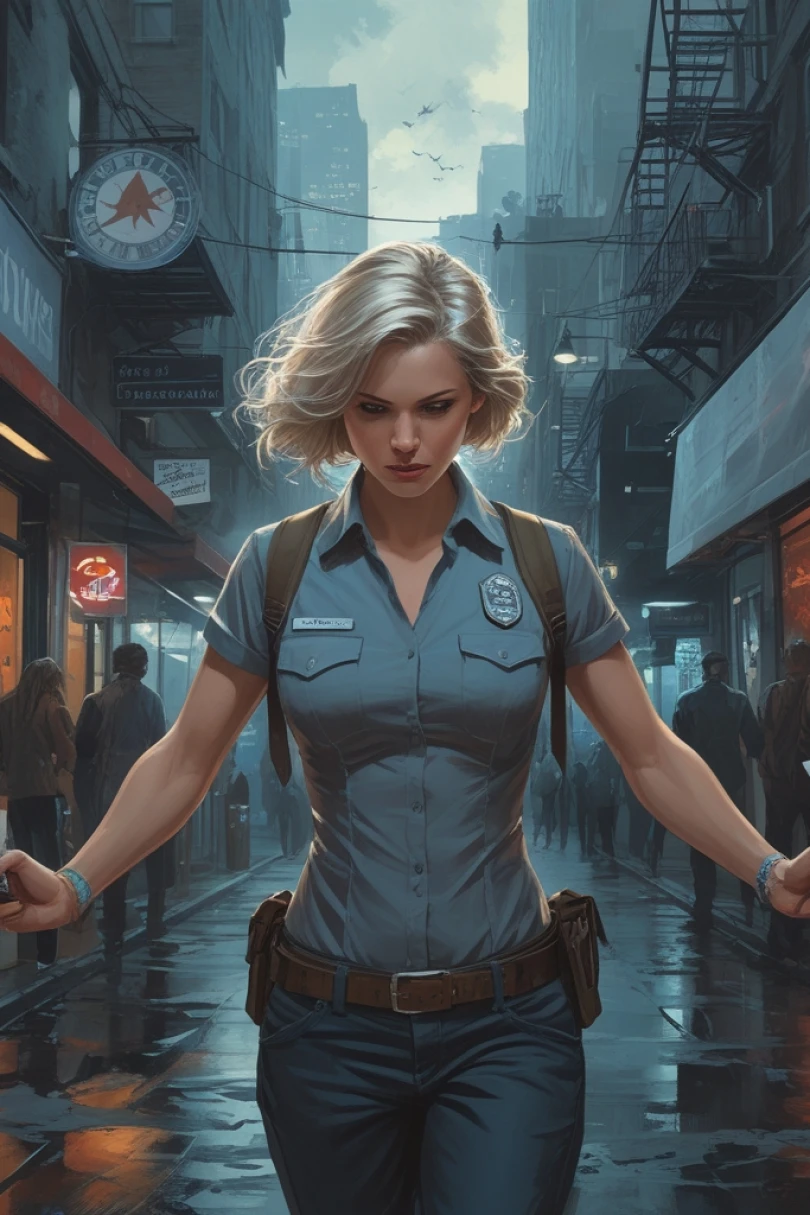
1 June 2026The setting does a lot of heavy lifting here, but the story itself stays way too close to the post-apoc playbook. Juno, Theo, Nadia, Rook, the old radio guy, the oppressive water guild — it all feels assembled from pieces I’ve seen before, and the plot moves exactly where you’d expect it to. Of course there’s a risky run to the filtration plant. Of course the “half-alive” core turns out to be the key. Of course the guild is cruel in a very broad, blue-flag-waving way. What really got frustrating was how little resistance the characters seem to face once the mission is underway. Juno’s choices are framed like big, costly moral decisions, but the story keeps smoothing things out for her. Theo’s kite thread, the glass moth, Old Penn’s radio, the pathwatch map stuff — all of it sounds important, but a lot of it ends up feeling decorative rather than essential. I kept waiting for one hard twist, one mistake that actually changes the plan, and it never really came. The emotional beats are there, but they’re telegraphed so early that they don’t land. By the time the story gets to the whole “water as community” message, it’s already been announced in ten different ways. Fine writing, nice atmosphere, just way too predictable for me.
on The Clear RunLatest Comments
Daniel Shaw
13 August 2026Yes! The setting detail is doing so much work here. I also loved how the blue drum and the Guild tannoy show power being controlled through water, which makes the discovery of those filters feel almost revolutionary. That’s such a clean shift from scavenging to resistance.
on The Clear RunMegan Price
13 August 2026I really liked how the story makes the Yard feel like a whole living machine — the ferris wheel with pigeons, the generators thumping, even the rail cars turning into homes. Juno and Theo’s little routines make the world hurt more, in a good way, because survival here is so measured and fragile. And then that moment with the real filters and solar sheet? Huge. It feels like the story is finally giving them a way to fight back instead of just endure.
on The Clear Run
Daniel Price
27 July 2026Yes! That brass latch says so much about the village without any big exposition. I also liked that Evelyn’s magic sounds gentle but not weak. The fact that the flowers only keep willingly given warmth makes the whole covenant feel earned, not sentimental.
on The Thaw Between UsNatalie Brooks
27 July 2026Yes! That father detail hit me too. It makes her decision to go after the tunnel feel instinctive, almost like she’s carrying on a family habit of listening for trouble before anyone else notices it.
on The Wheel and the Whine