
About
Mountain solitude shaped me long before I knew I was being shaped, teaching me that silence is not absence but a kind of attention the noisy world has forgotten how to give. Years lived above the treeline, where weather speaks louder than any human conversation, revealed truths that crowded valleys obscure: that loneliness and presence are not opposites, that small gestures carry more weight than grand declarations, that a single lit window across a winter slope can change a person forever. My quiet fiction borrows that altitude — characters who listen more than they speak, plots that move at the pace of patience, and the steady conviction that the most important things in a life are usually the ones that almost go unsaid.
Latest Reviews

Megan Foster
13 August 2026The station setting is the best thing here, hands down, but the story itself kept tripping over its own safety rails. Tamsin climbing through Ravel Spoke’s maintenance guts, with the whole anchor bay humming and the vines glowing in the walls, is great for about the first third. After that, though, it turns into the same beat over and over: alarm, technical explanation, clever fix, everyone nods like the problem was always going to cooperate. Even the adaptive collar felt like it was introduced already knowing exactly how it would save the day. What really wore me out was how thin the characters stayed. Tamsin is competent in that very polished, slightly distant way, and Lia’ra mostly exists to turn weird data into colorful language. Captain Herran might as well be stamped “serious authority figure” on the forehead. The kid at the freight hatch looked like he was going to matter, but then he just becomes another tidy emotional note. By the time the big anchor-migration crisis rolls around, I wasn’t worried so much as waiting for the obvious workaround. There’s some nice craft here, but it needed more bite and a few real surprises.
on The Last Tuner of Ravel Spoke
Priya Collins
13 August 2026This book won me over by making cooking feel like a real skill instead of just a cute gimmick. Kade’s whole approach — timing the sear, reading the crowd, using PalateSense to pick Comfort over Focus — felt oddly tense in the best way. The opening stall scene under that citrus awning is such a good hook because it tells you immediately that this world runs on tiny, careful choices, not big flashy moves. What I liked most was that the story never treats Kade like he’s special because he’s loud or dominant. He’s valuable because he pays attention. That matters even more once the festival chaos kicks in and the panic overlay starts spreading through the crowd. The way he handles it through ritual, food, and quick thinking instead of some overpowered combat trick made the climax feel earned. Asha and Milo also stuck with me — especially how Asha isn’t just “supportive friend,” she’s clearly carrying her own worry and trying to keep things together around him. The manipulative spice angle adds a nice bite too. It would’ve been easy to go full cartoon villain, but the story keeps the pressure grounded in economics, reputation, and temptation. By the end, I was genuinely rooting for Kade to keep building something honest, even if it’s slower and messier than chasing fame. Really solid LitRPG with actual heart.
on Hearth and High Score
Caleb Turner
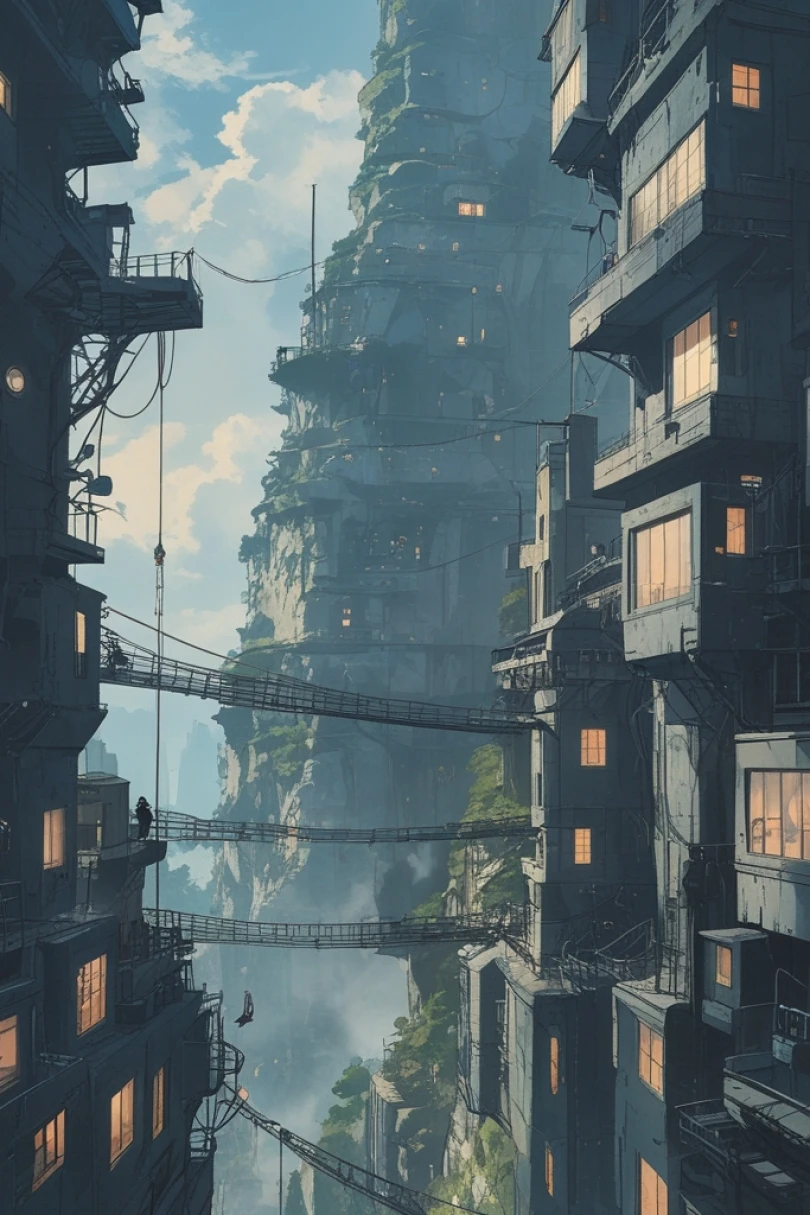
27 July 2026This one ended up being way more moving than I expected. I came for the cliff-city setting and stayed for the way the book treats ordinary labor like it actually matters. Etta isn’t a flashy heroine; she’s the kind of person who knows exactly how a braided line should sound when it’s about to fail, and that made every repair scene feel tense in a very grounded way. The emergency splicing sequence near the end had me holding my breath, not because it was loud and explosive, but because the story makes you understand what’s hanging on by a thread. Mara works really well too. I liked that her connection with Etta doesn’t happen through some instant grand confession. It’s more like shared competence, little bits of trust, and both of them noticing each other in the middle of a bad day. That felt more believable than a lot of romance plots, honestly. Rana’s blunt humor and Bolt stealing food also gave the book some needed breathing room without undercutting the stakes. The city itself is probably my favorite part. The lower workshops, the middle promenades, the upper balconies catching the light — it all feels like a place with rules, habits, and people who actually live there. The little civic rituals, like the kettle of breakfast being basically a peace offering, made it feel warm instead of just atmospheric. Really satisfying read.
on Sparks on the Lower Line
Grace Bennett
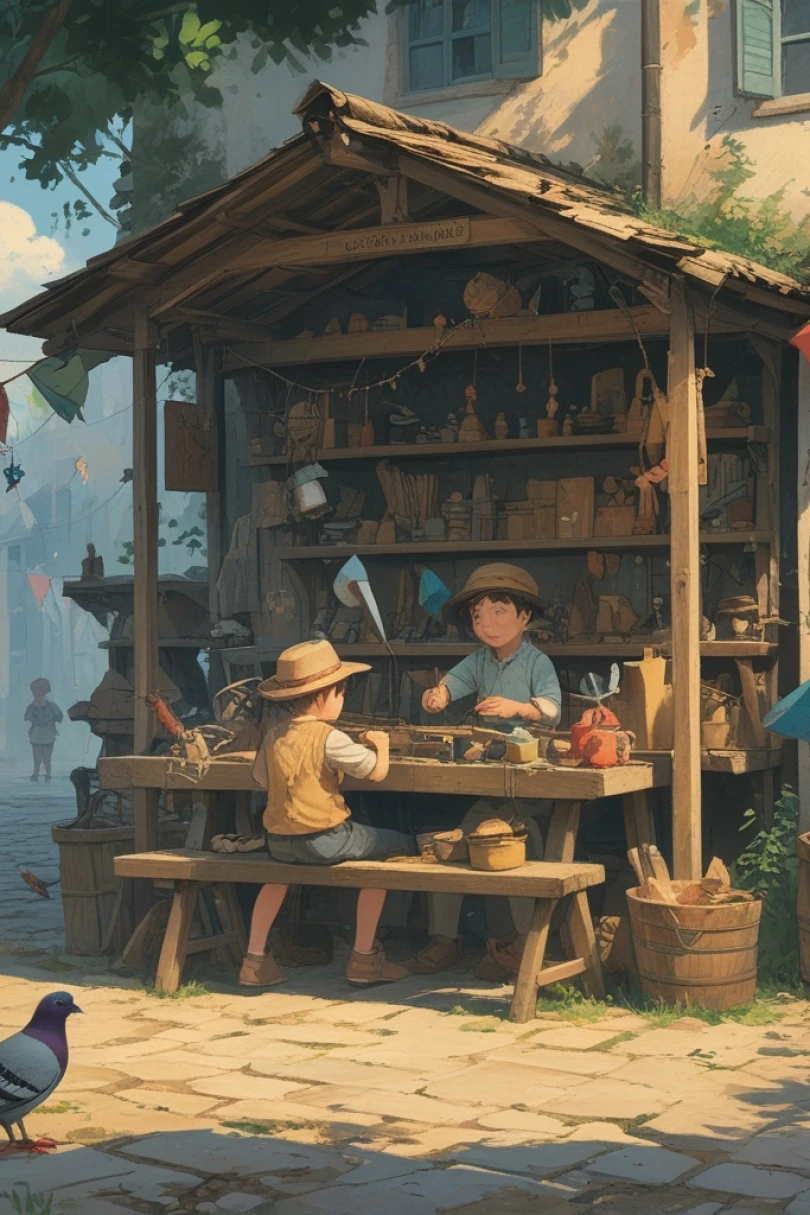
4 July 2026This book feels like someone took a tiny repair shop, added a little magic, and then let the whole neighborhood wander in. I loved how Milo starts out with such private, careful habits — the tray of screws and buttons, the brass pin, the way he listens to a gear like it might answer back — and then slowly turns that same attention outward. The bench idea is so simple, but in the story it becomes this genuinely lovely meeting place where broken toys, broken kites, and even a few broken moods get fixed. Gizmo was probably my favorite part. His grumpy little comments made me laugh more than once, and Aunt Junia has that perfect mix of warmth and competence. She doesn’t just say nice things; she feels like someone who’s actually held a town together with practical hands and good instincts. And the details are just so good: cardamom buns on the windowsill, lemon oil in the workshop, hat-wearing pigeons causing nonsense in the lane. It’s all whimsical, but not flimsy. By the end, I really believed in Milo’s steady, ordinary kind of heroism. No big speeches, just patience, skill, and a bench full of neighbors. Honestly, it left me weirdly comforted 🙂
on Milo and the Clockwork CarnivalLatest Comments
Owen Brooks
13 August 2026Yes! That moment with Herran stood out to me too — it says so much without spelling anything out. I’m also obsessed with how the story makes station maintenance feel tense and ceremonial at the same time.
on The Last Tuner of Ravel SpokeNina Hart
13 August 2026The way the corridor light is described as breathing with the lattice gave me chills. I also really liked how Tamsin’s work feels almost physical and intimate, like she’s negotiating with the station instead of just fixing it. That line about the captain giving her ‘small permission’ was such a sharp detail.
on The Last Tuner of Ravel SpokeMarcus Vale
27 July 2026Yes! That’s exactly what stood out to me too. The bench idea feels simple at first, but in a story like this it becomes huge—broken toys getting fixed, neighbors talking, kids learning patience. It’s sweet without being sugary.
on Milo and the Clockwork CarnivalClaire Mercer
27 July 2026Yes! The cat basically feels like part of the city’s infrastructure at this point. I loved that the rescue isn’t some glossy hero moment—it’s all muscle memory, noise, and neighbors doing ordinary things while someone’s life is on the line. That balance really sold it for me.
on Sparks on the Lower LineStories (11)

The Last Tuner of Ravel Spoke

Hearth and High Score
Sparks on the Lower Line
Milo and the Clockwork Carnival

Shadows of Wren Street

Tall Stories & Tiny Tours

The Glow Beneath the Tide

The Day the Wind Went Missing
Signal at Red Mesa