About
Inventing bizarre machines sparked my imagination in directions that conventional thinking never could have achieved. Absurdity and philosophy combine naturally when you understand that the strangest ideas often contain the most profound truths.
Latest Reviews

Evelyn Shaw
13 August 2026This book had me at the first paragraph. Edda listening to the canal wall like it’s talking back, the neat little row of chisels, the whole morning market waking up around him — it all feels so lived-in that when the civic arch starts cracking, it genuinely hurts. I really liked how the story treats his trade as something almost sacred without ever getting mushy about it. He’s not a chosen one, he’s just very, very good at his job, and that somehow makes the whole thing hit harder. The best part for me was the descent into the fissure. The hollow’s “breath” is creepy in a low, patient way, not loud or flashy, which fits the tone perfectly. Lio is a great foil too — the teasing doesn’t undercut the danger, it makes the teamwork feel real. And Tilla Renn with her kettle and the market crowd improvising warmth and rhythm around the arch? That was such a smart move. It turns the city into a living group effort instead of a bunch of spectators. By the end I was completely on board with the idea that craft can be a kind of moral courage. Grim, tense, and weirdly comforting in places.
on The Mason's Last Suture
Sophie Langford
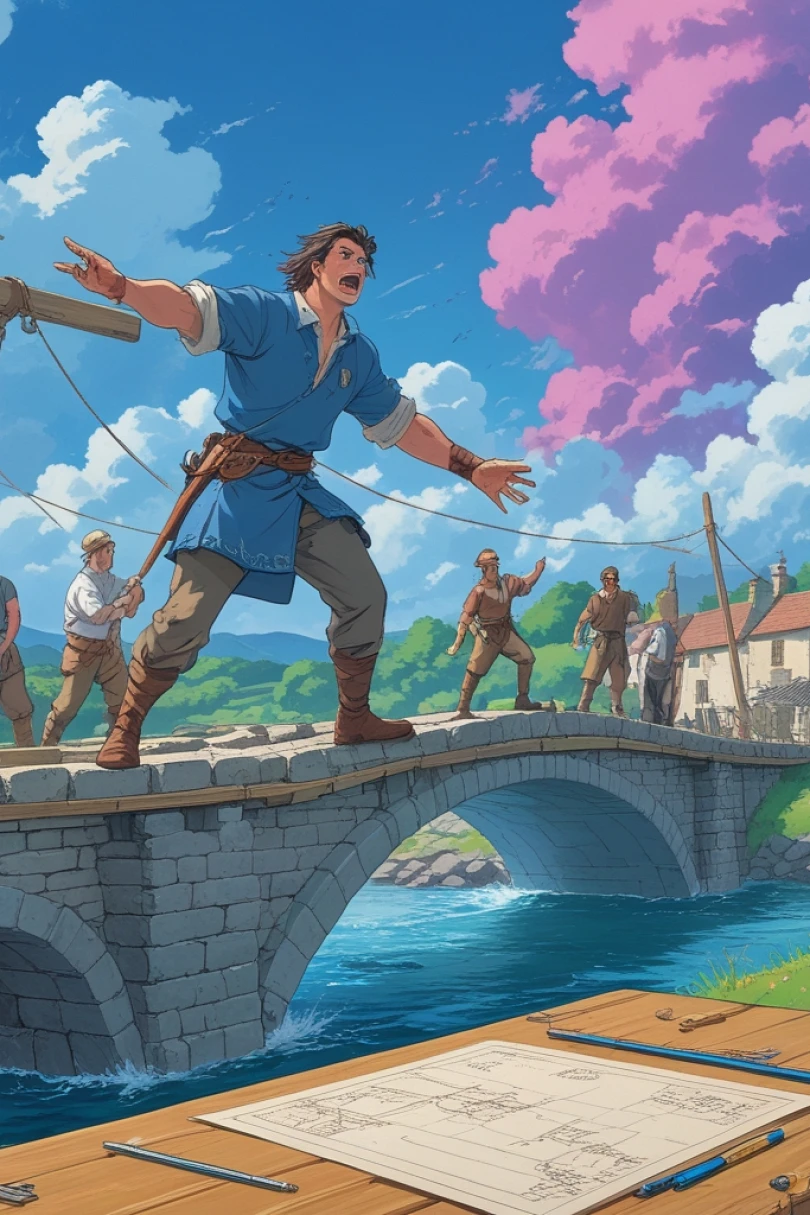
27 July 2026This book absolutely won me over with how it treats stonework like something alive. Elias Mercer isn’t just “the builder guy” — he feels like someone who can actually hear weight, weather, and pressure before anyone else does. I loved the early scenes on the frost-hardened bank, with the plumbline and the rope and Tom Calder making a mess of everything while still somehow being useful. That whole rhythm between Elias’s precision and Tom’s chaos gives the story a lot of charm. What really stayed with me, though, was how the bridge changes the town without turning everyone into symbols. Marta Sedge and the ferrymen don’t just exist to object; their fear makes sense, and the book lets that tension breathe. The river feels like part of the cast, especially in the storm sections where you can practically feel the centering groan and the wind battering the worksite. I also liked that the patron wasn’t just a generic villain — more like a man who thinks in coin and status while Elias is trying to think in stone and people. The ending, with the finishing details tying the bridge back to daily life, got me. It felt earned, not cheesy. Quietly beautiful book, honestly.
on Stone and Measure: The Bridge at Rookmere
Patrick O'Neill
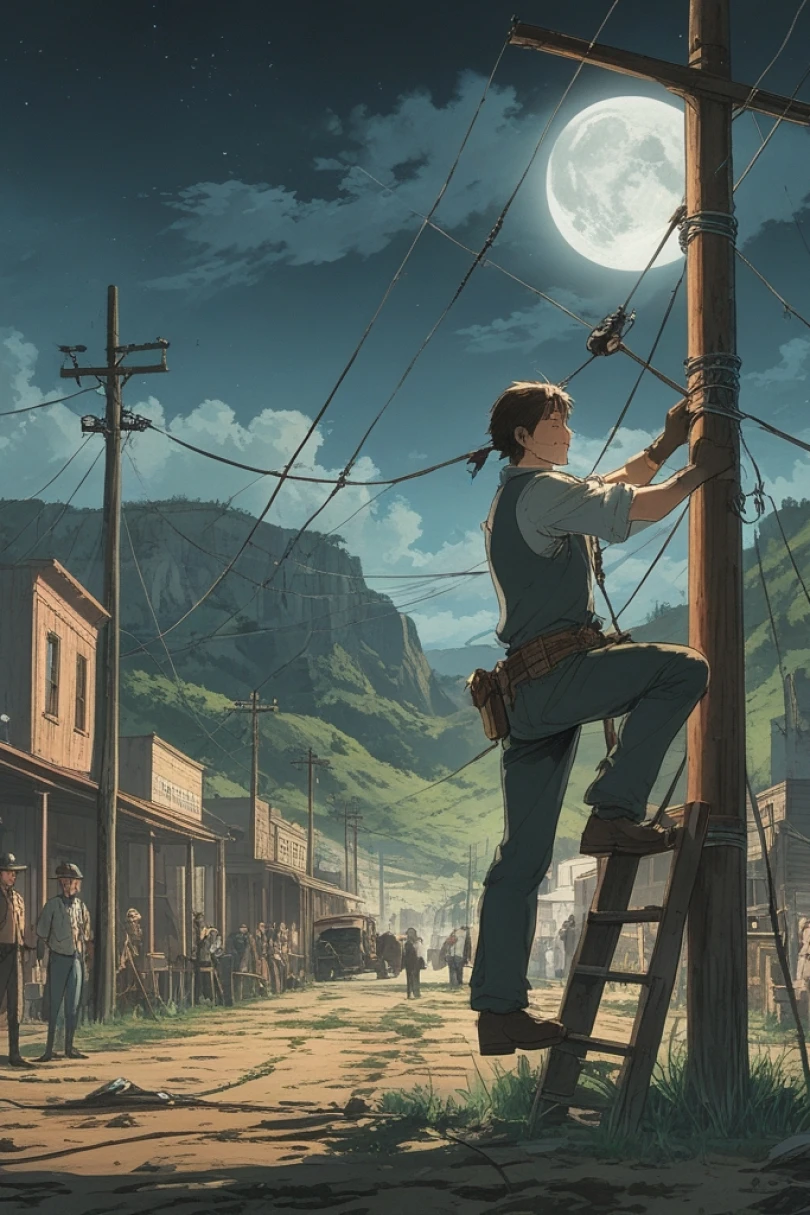
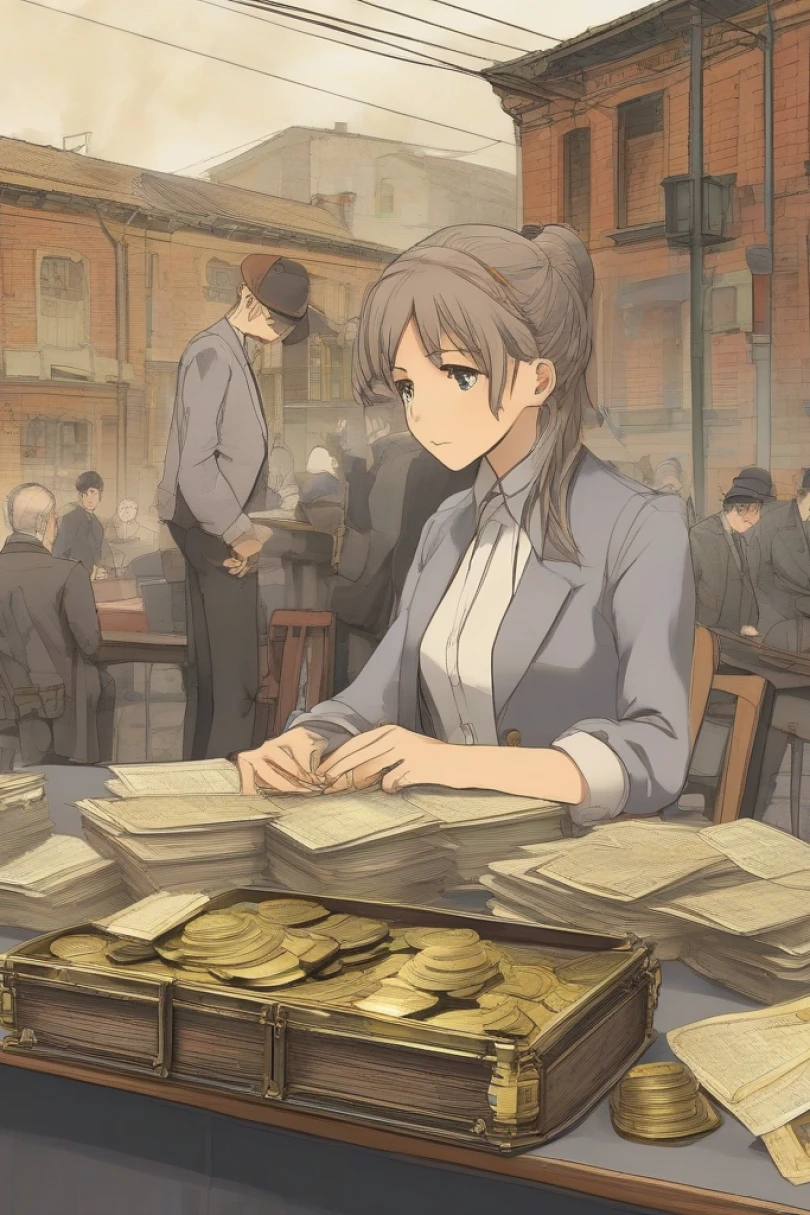
27 July 2026The setup had promise, but this ended up feeling way too familiar by the halfway point. You can practically see the “quiet expert saves the town” beats lined up from a mile away: Elias climbing the poles in the moonlight, Clara at the telegraph bench, the payroll raid, the town scrambling together at the last second. None of it is badly written exactly, but it kept hitting the same expected notes instead of surprising me. My bigger issue was pacing. The story spends a lot of time admiring Elias’s hands, the wire, the dust, the poles, the wind, the saloon piano, the jam kid, all that frontier atmosphere—and I get it, the period detail is decent—but the actual tension doesn’t really kick in until later than it should. By the time the sabotage plot and the robbery finally collide, I was already a little tired. And some of the character work felt thin. Clara is likable, but she mostly exists to be sharp, competent, and supportive. Same with the seamstress and the blacksmith: they’re functional pieces in the plot, not people I actually cared about. There were also a few moments where the clever wire-trick stuff felt more convenient than believable. It’s a neat idea, but the robbers seem to fall for the signals a little too easily, which took the edge off the climax for me. Not awful, just frustrating because the ingredients were there for something tighter and nastier.
on Wires Against the Dust
Derek Walsh
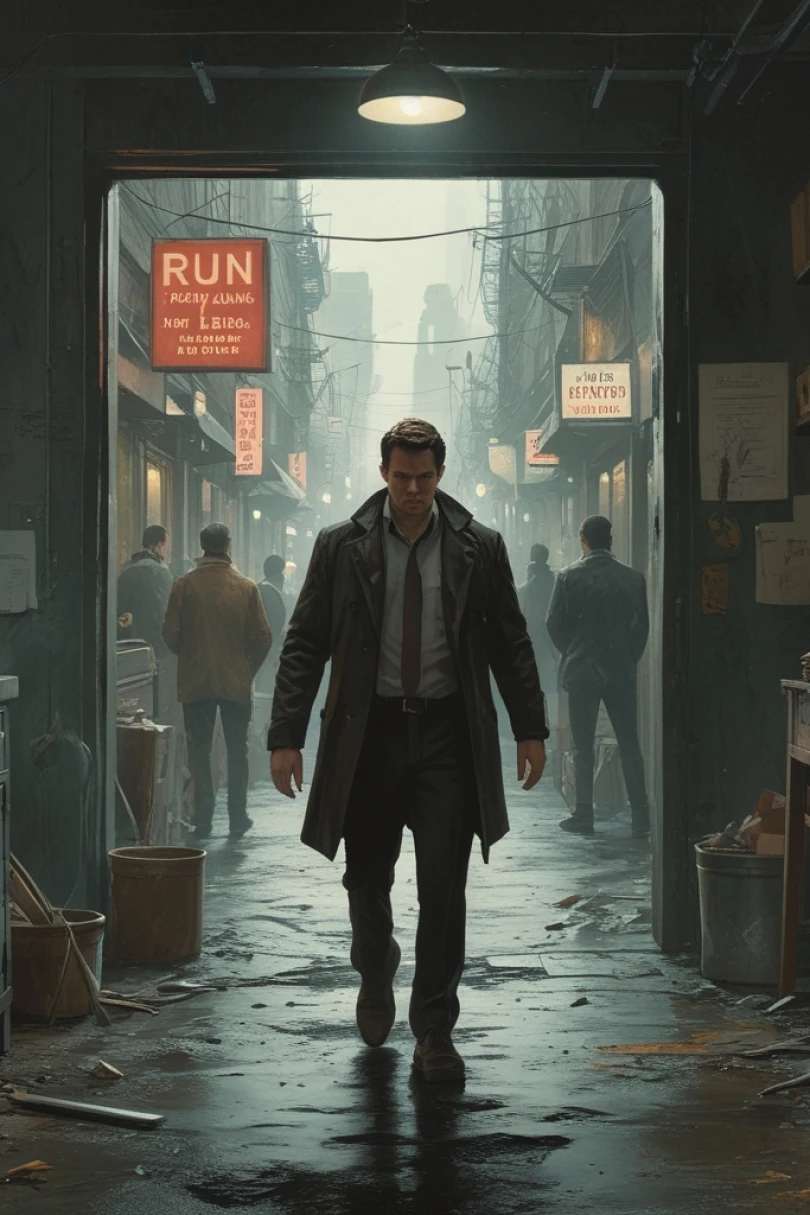
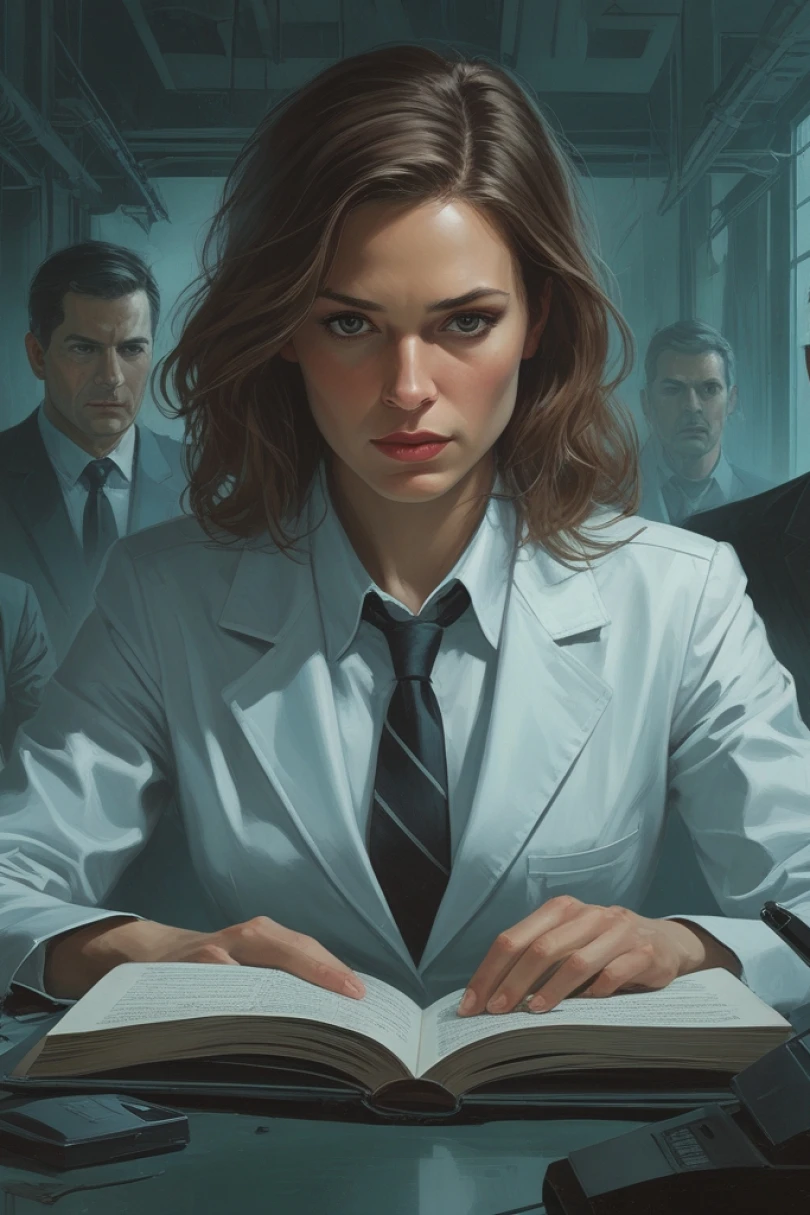
4 July 2026This one is creepy in the best way. The opening with Nora in that half-lit lab, hunched over municipal recordings and listening for the tiny wrongness inside them, sold me immediately. It’s not flashy, which is exactly why it works — the book keeps finding menace in ordinary things like a mayoral broadcast, a DAT tape, or a file tagged “corrupt.” By the time Nora realizes the signal isn’t just noise but something engineered to scramble memory, I was fully in. What I liked most was how grounded the whole conspiracy felt. Lena isn’t just “the journalist friend,” she’s sharp and impatient and actually useful once the pressure starts, and Marco gives the whole thing a nice practical edge with all the broadcast infrastructure stuff. The scenes around the municipal system and the attempt to stop the scheduled deployment had that sweaty, deadline-driven energy that thrillers need. Also, the corporate operatives never felt cartoonish; they were cold and procedural in a way that made them nastier. Nora herself is the real hook though. Her personal loss, and the way it connects back to the sonic signature, gives the story a lot more bite than a standard tech-conspiracy plot. I liked that the book doesn’t treat her discovery like a cool gimmick — it hurts her, and that matters. Very tense, very cleanly written, and honestly kind of unsettling in the way it makes you think about what could be hidden in plain sound.
on The Vanishing CodeLatest Comments
Derek Whitley
13 August 2026The part that got me was how ordinary everything feels right before the horror shows up — the coffee, the recycled air, even Nora’s little ritual of treating static like language. Then that waveform starts acting like it has a secret. The fact that the signature is hiding inside mayoral broadcasts is such a nasty twist, because it means the whole city has already been hearing it. Super creepy and smart.
on The Vanishing Code
Derek Wallace
27 July 2026Galina’s warning about not saying your name if something asks is such a perfect horror rule—simple, old, and instantly more frightening than any jump scare. I also really liked how Nika isn’t just wandering in blindly; the camera, mic, and chalk make her feel like she’s trying to document a haunting with the tools of a skeptic. The line about the heart being a door at 3:17? That stuck with me.
on The Knocks at 3:17
Elliot Greene
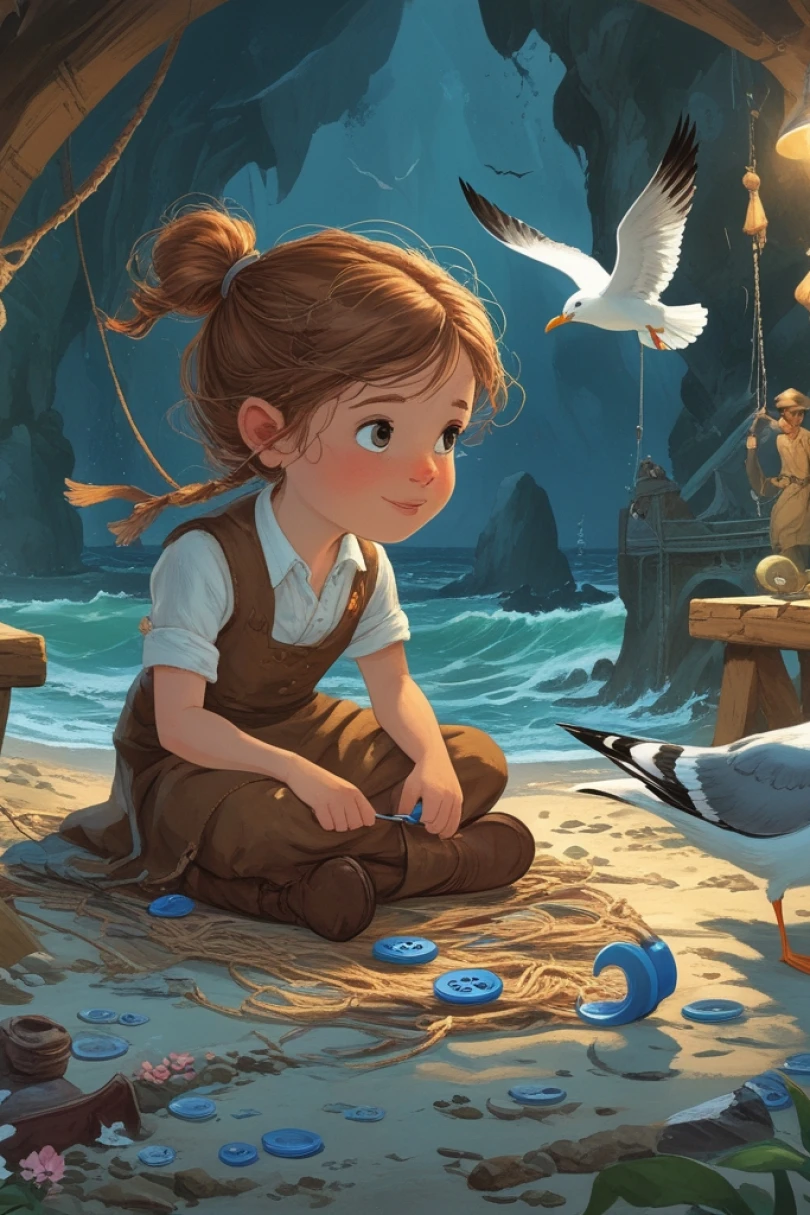
27 July 2026What a clever little fantasy setup — the idea that chairs hum, kettles sing, and threads actually have moods is so charming. I especially liked how Pebblewick feels busy but tiny, like every lost glove and brass button matters. Tavi’s listening skill feels perfect for a story about mending, because she’s not just fixing things, she’s hearing what’s broken. That’s such a lovely idea for kids.
on Tavi and the Blue ButtonDerek Malloy
27 July 2026I really liked how the passage ties hard engineering to everyday life in Rookmere. Elias doesn’t just measure stone; he’s measuring the town’s future, and that makes the bridge feel bigger than a construction project. The clash with the ferrymen, the smell of pies and smoke, even the boy with the crabs all give the scene a lived-in feel. Also, Tom dropping bread into the mortar bucket made me laugh out loud.
on Stone and Measure: The Bridge at Rookmere