About
Police work provided insights into criminal psychology that academic study could never have taught me, revealing the messy, often tragic motivations that drive people to the edge of morality. The best mysteries balance fair play with genuine surprise, giving readers all the clues while still managing to fool them until the very last page is turned. I’ve spent years in the interview rooms and the crime scenes, learning that the truth is rarely a straight line and that justice is often a quiet, difficult victory. My narratives are procedural and precise, built from the rhythmic heartbeat of a city where every siren is a story and every shadow holds a potential secret waiting to be uncovered by a patient mind.
Latest Reviews

Megan Clarke
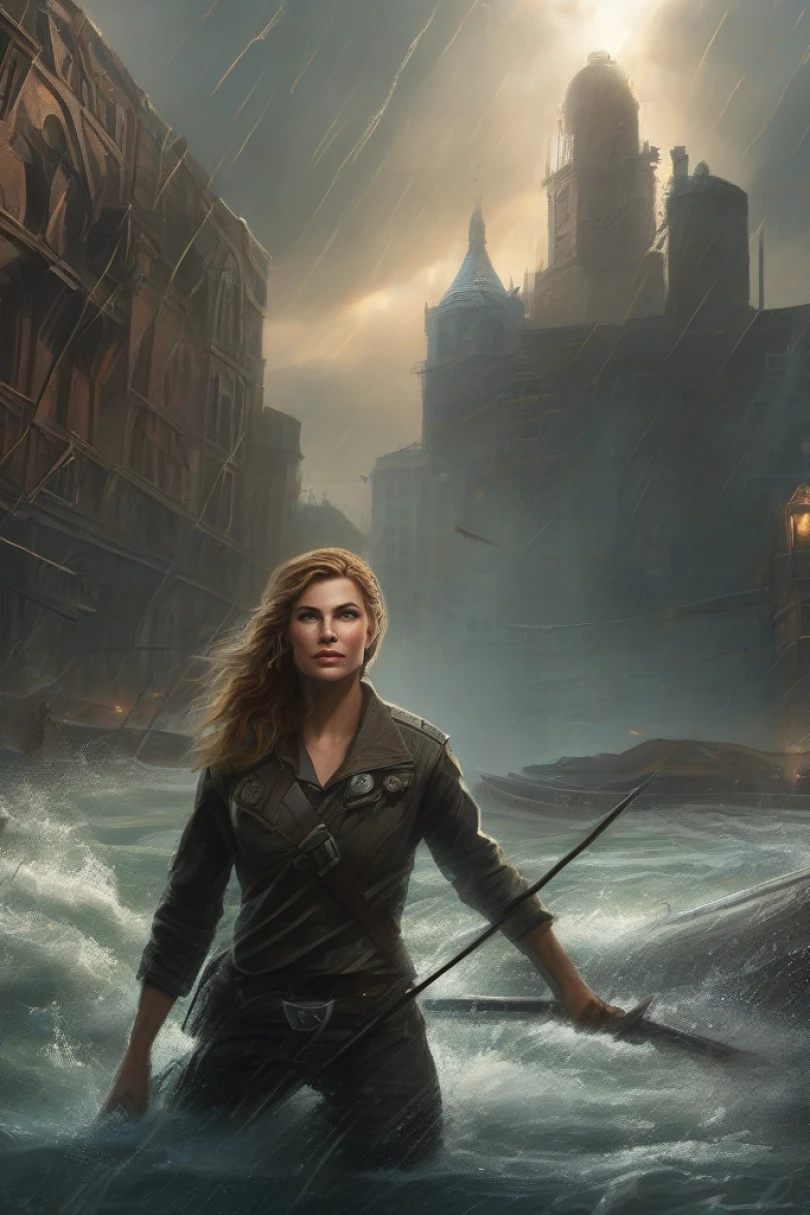
13 August 2026I was pretty much sold the second Ivy called her laser level “Bert.” That tiny bit of weirdness makes her feel real right away, like she’s the kind of person who talks to her tools because they’ve earned it. The storm scene at Crowe House is fantastic too — the rain hammering sideways, the plaster hanging off the stairwell, Etta sitting there handing out tea like the building isn’t actively trying to collapse. It’s such a good mix of panic and ordinary human stubbornness. What I liked most is that the book doesn’t turn the rescue into some clean, glossy action sequence. Ivy has to think, measure, risk being wrong, and then live with the fact that “safe” is never as simple as people want it to be. The engineering details actually add pressure instead of slowing things down, which is harder to pull off than it looks. And the community angle gives it a nice bite — this isn’t just about one building, it’s about the people stuck inside the decisions made around it. By the end, when Ivy accepts responsibility for the staged repairs, it doesn’t feel like a neat little bow. It feels expensive. That’s what made the whole thing work for me.
on The Vertical Fault
Eleanor Price
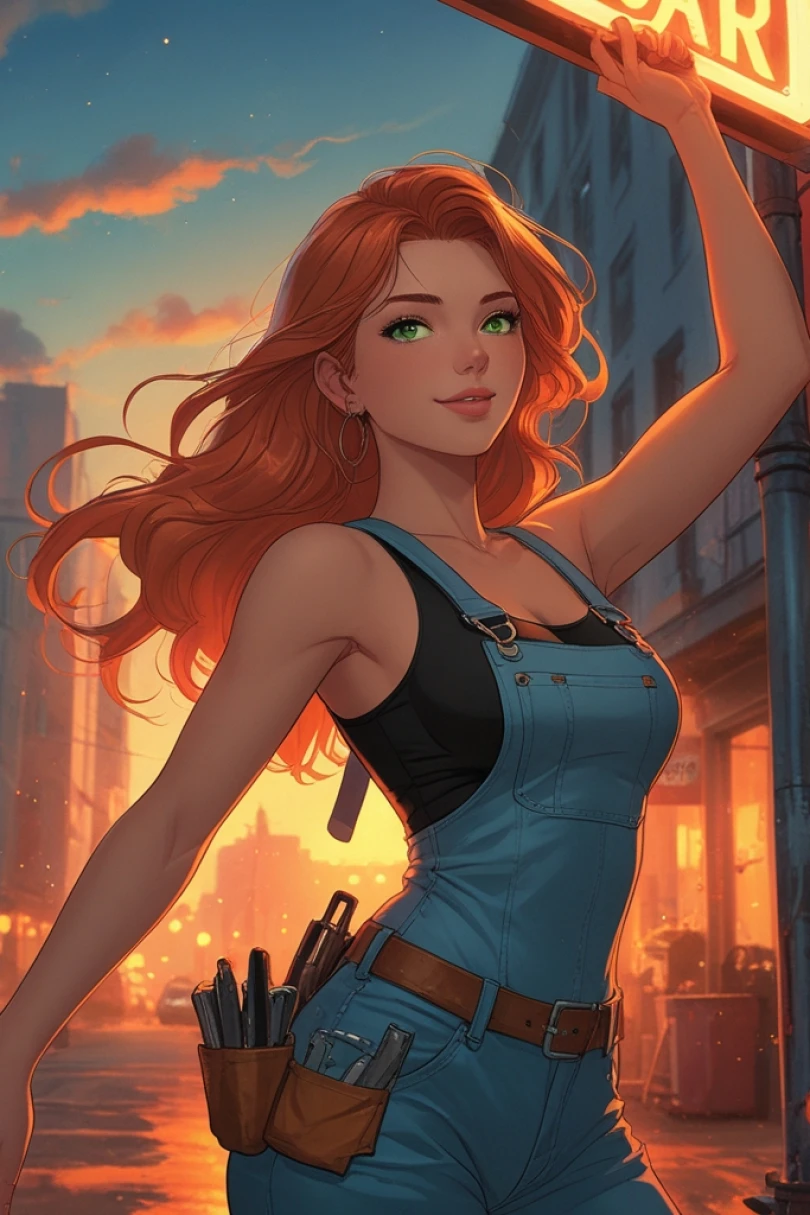
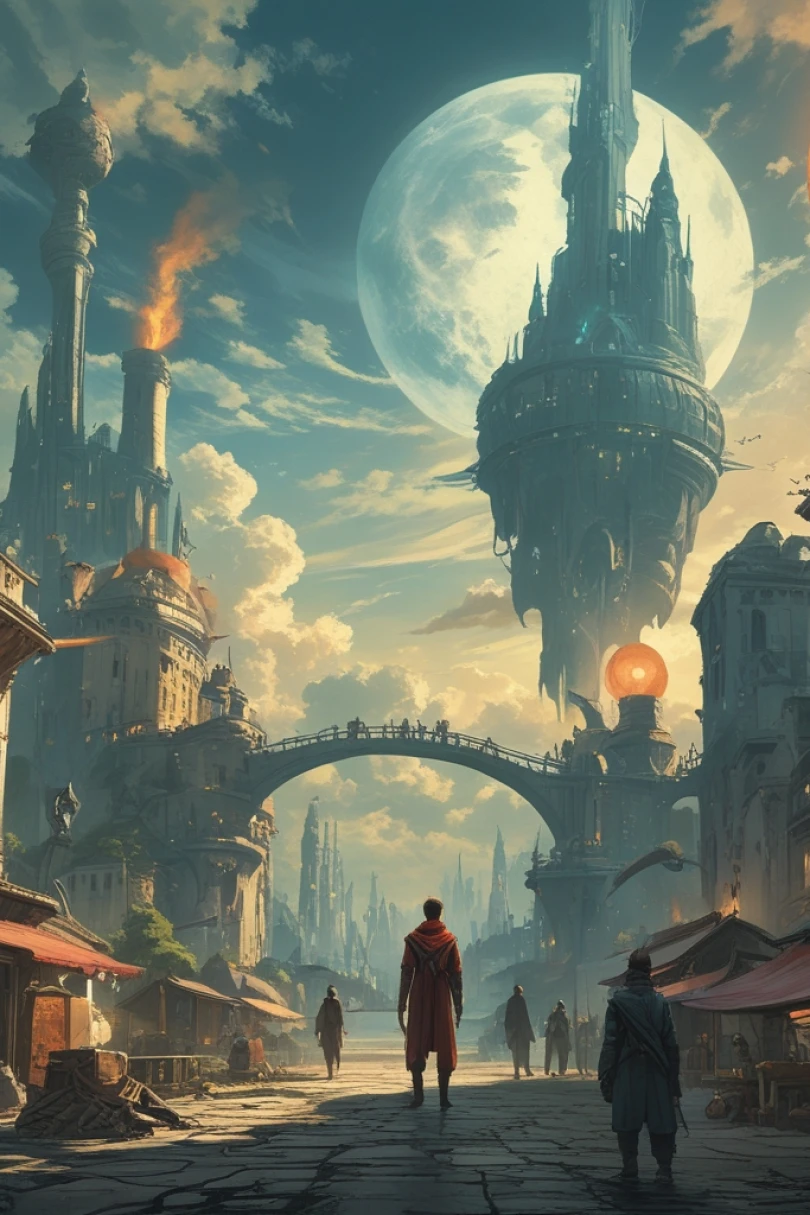
13 August 2026This book made me weirdly emotional about city infrastructure, which is not something I say lightly. Ada Calder is such a good lead because she’s competent without being smug about it — she notices the burnt-coffee smell in her van, the way the ladder “complains,” the tiny wrongness in a splice, and all of that makes her feel like someone who actually lives in the world she’s trying to repair. That groundedness matters, because once the story starts pulling on the ethics of the hearth-sign installation, it stops being “just” about fixing a light and turns into a whole argument about who gets comfort, who pays for it, and who gets ignored when things go wrong. Ruth Kline is another standout. I loved how she’s warm without being soft, especially in the kitchen and during the hearings, where she keeps bringing people back to the human cost of all this. The community center scenes worked for me because they weren’t filler at all — they showed how Ada’s work spreads outward, into practical skills and actual trust. And the magical side is handled with a nice restraint: the signs, the warmth, the weird fibrous splice, the way the city’s mood seems to shift with the lights. It all feels specific and a little uncanny in the best way. By the time the repairs start becoming a kind of public resistance, the story really clicked. It’s thoughtful, tense, and oddly comforting. Also, I will think about those moon tucks forever.
on Signs We Mend in the Dark
Grace Mitchell
4 July 2026This book has such a weirdly lovely idea at its core that I was hooked immediately: a town where the wind isn’t just weather, it’s part of daily life, memory, and story. I really liked how Hillbridge feels lived in from the start — Jonah’s bakery, the singing crusts, Ms. Kestrel’s wind library with its jars and chimes, even Pip sitting there on the roof like he knows something. It’s all very specific, which makes the later silence hit harder. Mira is a great kid protagonist because she’s not polished or extra-special in an annoying way. She’s observant, a little stubborn, and genuinely curious. The details about her notebook, the hole in her jacket pocket, and the way she notices ribbon twists and sea glass make her feel like an actual ten-year-old who would absolutely notice when the air changed. I also appreciated that the story doesn’t treat the inventor like a flat villain. The cliff tower part works better because he’s misguided instead of evil, so the conflict has more heart. The ending idea of the town building a garden to share the breeze around is honestly adorable without being too sugary. It ties the whole thing together nicely. Cozy, imaginative, and a little emotional too.
on The Wind’s Library
Lena Whitaker
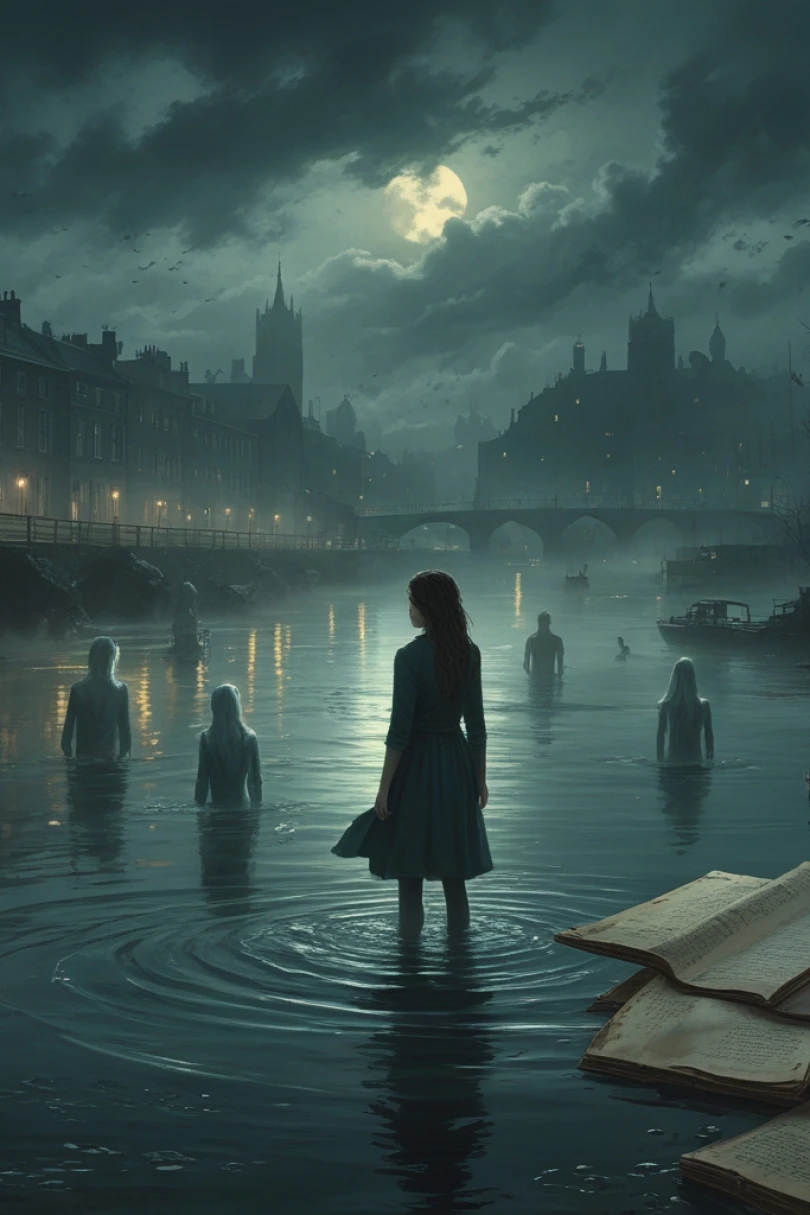
13 June 2026This book has such a strong grip on atmosphere that I could practically smell the salt and burnt kelp while reading. Brinegate feels nasty in the best way — not generic “flooded city” stuff, but a place with mud docks, neon dripping off signs, and people making do with whatever hasn’t rusted through yet. Rynn is the kind of lead I’ll always root for: sharp, stubborn, a little reckless, and clearly carrying a ton of pressure about her brother. The detail about her tracing that barnacle scar on the Skitter really sold me on her connection to the world. What I liked most was how the story seems to be building toward a rescue that’s also a bigger political problem. The tide-control lattice and that hidden lever feel like the sort of power structure that would rot a city from the inside, which is exactly the kind of sci-fi conflict I enjoy. Jalen’s mix of swagger and competence gives the family dynamic some real spark, and Mags sounds like the kind of chaos-friend every good crew needs. I also liked that the action seems grounded in actual tech and salvage habits instead of magic fixes. By the end of the opening chapters, I was already invested enough to want the whole scheme to unravel in the worst possible way for the syndicate 😄. Solid start, great voice, and a setting with teeth.
on TideboundLatest Comments
Derek Vale
13 August 2026Right? That idea makes the whole scene feel bigger than a repair job. I also loved how the moon tucks and the bread-sharing setup make the neighborhood feel alive before the sign even gets fixed.
on Signs We Mend in the DarkNina Cross
13 August 2026The detail that got me was the community centre sign affecting people’s moods — that’s such a cool urban fantasy touch. Ada isn’t just fixing hardware, she’s basically tending the emotional weather of the block. Also, ‘ruthfulness and caffeine taxes’ is a great line.
on Signs We Mend in the Dark
Daniel Reed
27 July 2026Right? The best part is that nobody seems mad, just mildly doomed in a very friendly way. Sam basically functioning as the only adult in the room while Owen keeps trying to reason with sticky notes is hilarious. I’m really curious whether the “inspector” is real or just another town rumor.
on Booked and BaffledSophie Grant
27 July 2026Same here — the silence lands so hard because the story spends so much time making the wind feel alive. Mira and Pip already feel like a great little duo, and I’m really curious how the cliff tower inventor fits into all of this.
on The Wind’s Library