About
Traditional fairy tales provide perfect foundations for exploring darker themes that children's literature usually avoids. Twisting familiar narratives allows exploration of psychological themes while maintaining the archetypal power that makes fairy tales universally compelling.
Pinned Stories


Latest Reviews

Tessa Morgan
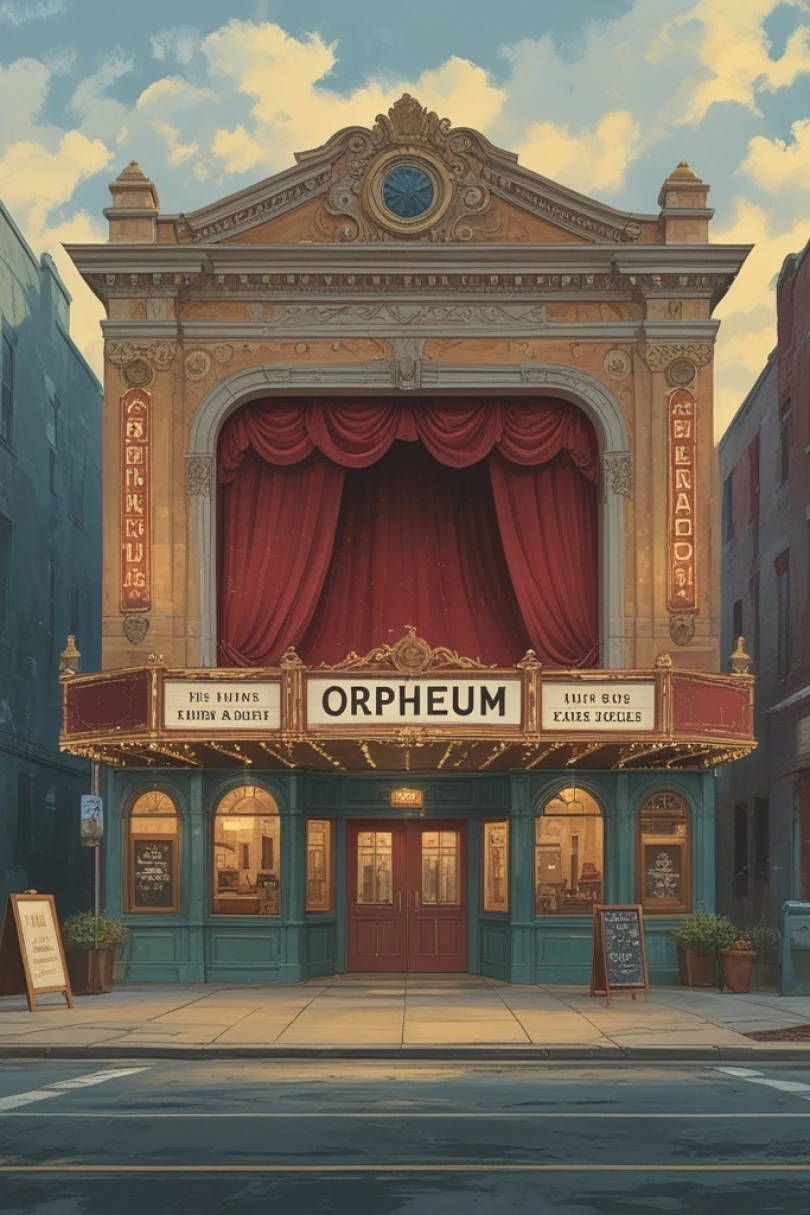
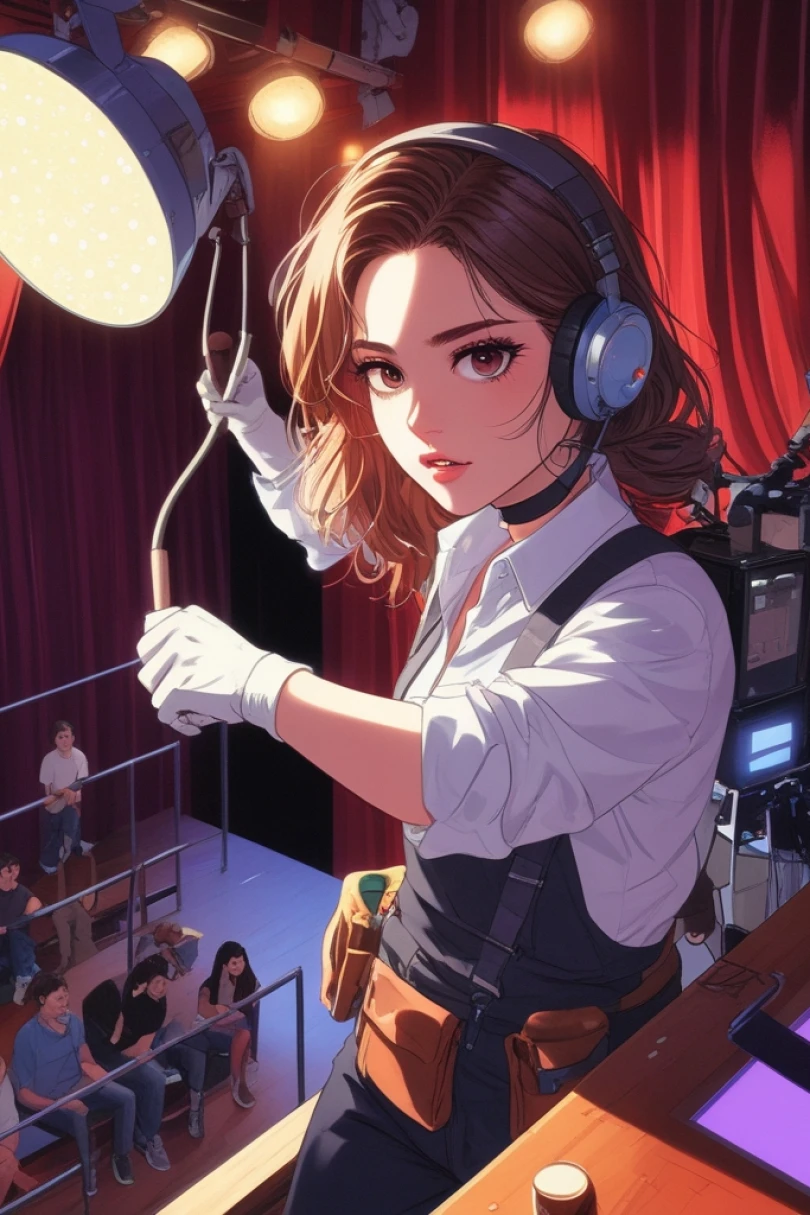
13 August 2026Honestly, this book feels like standing in the wings right before the curtain goes up — a little nerves, a little grease under the nails, and a lot of heart. Cass was such a great lead because she’s not just “good at theater,” she’s the kind of person who notices the broken stuff and can’t walk away from it. The details got me: the loose ladder rung, the stubborn blue gel, the old perfume smell in the seats, even Sprocket the cat acting like he runs the place. It all made the theater feel alive in a really specific way. What I liked most is that Cass’s choice doesn’t get treated like some shiny, obvious coming-of-age moment. She’s got the apprenticeship deadline looming, Eli pushing her to make something big, and then this whole disaster on opening night that forces her to decide what kind of artist she actually wants to be. The fact that she ends up helping rebuild and teaching the teens instead of just sprinting off after her own win made the whole thing land harder for me. It feels earned, not neat. Also, the Maple Street neighborhood stuff is so good. Mrs. Adebayo’s bakery, the cinnamon rolls by the stage door, the theater community showing up when things go sideways — that’s the kind of worldbuilding I always wish more YA had. Warm, a little scrappy, and weird in the best way.
on The Last Cue on Maple Street
Nina Patel
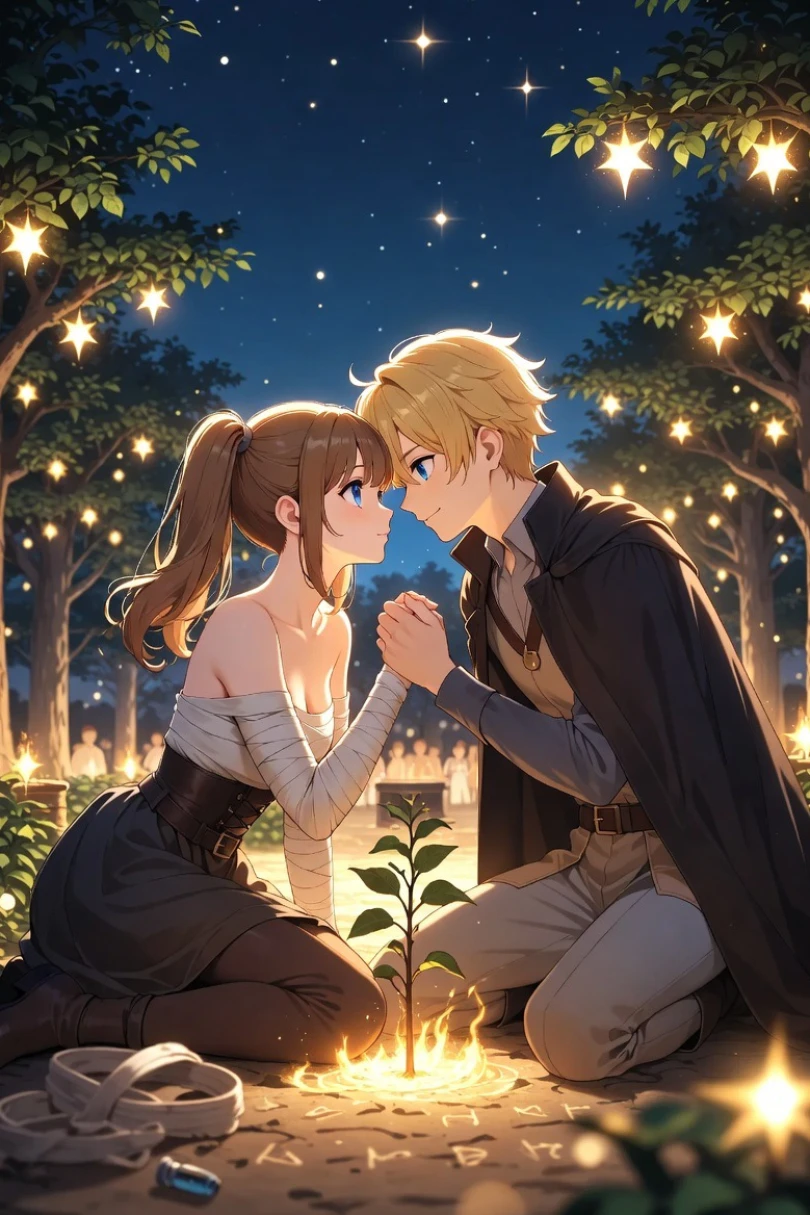
4 July 2026This one hit me harder than I expected. I went in for the glowing orchard vibes and ended up caring way too much about Alina, which is honestly the best kind of surprise. Her whole relationship with the saplings feels so grounded and personal — the little scoops, the moonpool water, the linen wraps, the way she treats the trees like living neighbors instead of scenery. That made the later fallout land because it isn’t just about magic getting disrupted, it’s about someone being forced to admit the system she’s been serving is built on half-truths. I also really liked that the sky-guardian wasn’t written like a flashy bad boy in armor. The tension with Alina works because he actually feels trapped by the same old rules that keep everyone else obedient. Their scenes had this low, nervous charge that never tipped into cheesy. And the public rite? Loved that part. It had proper consequences, not just dramatic shouting for the sake of it. You can feel the valley community cracking under the weight of what’s been stored away and what’s been kept from them. The atmosphere is probably my favorite part, though. The orchard with its faint music, the cold coin smell, the hum under the roots — it all feels strange in a really vivid way. By the end I was fully on board with the messy, uncertain tenderness and the fact that nobody gets out of this cleanly.
on Grove of Borrowed Light
Hannah Doyle
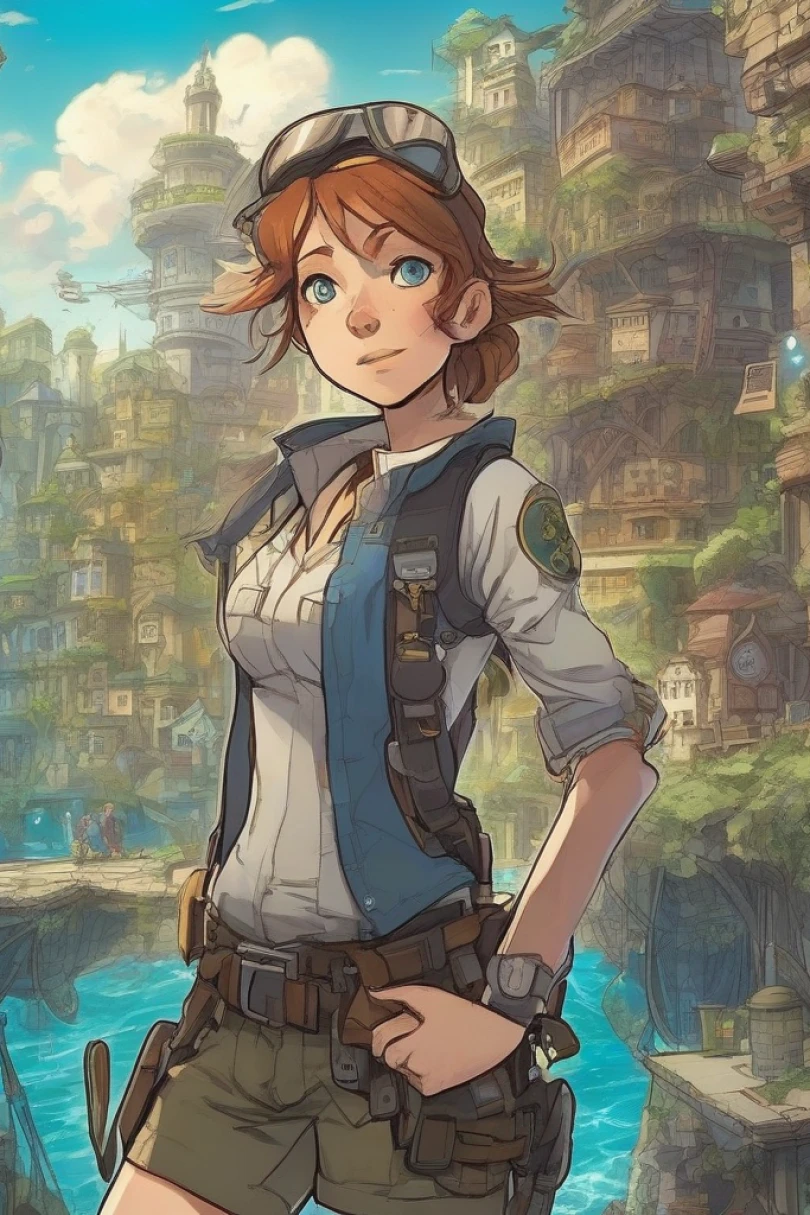
4 July 2026This book immediately won me over with how grounded it feels, even though the setting is floating islands and keystones and all that. Juno Hale is the kind of lead I always want in an adventure story: sharp, practical, a little worn down, and smart enough to notice the stuff everyone else walks past. The opening image of her reading the city by its edges is excellent, and honestly the whole book keeps that same vibe — ropes, ledges, hot metal, people making do. What really got me was that the plot doesn’t just become a chase. It turns into a proper moral mess once Juno learns the stolen keystone is being used to keep a pump running for a desperate community. That’s the sort of twist that makes an adventure stick in your head after the action is over. Varro also works really well as a quiet kind of villain; he’s not twirling a mustache, he’s just the sort of man who thinks a ledger can decide who gets to breathe. That’s way creepier. I also liked the smaller details a lot — Lila at the brazier, the council messenger trying to sound polite while clearly delivering an order, the constant sense that the city could shift under everyone’s feet. The whole thing has a tense, scraped-together energy. By the end, I felt like Juno’s choice mattered in more than one direction, which is exactly what I want from a story like this.
on Star Quarry
Megan Foster
7 June 2026This book won me over way faster than I expected. Mira feels real right away — not in a “chosen one” way, but in that slightly frazzled, deeply focused way people get when they care too much about one specific thing. I loved the greenhouse details: the fog on the glass, the cotyledon splitting under her thumb, the Heartseed in its own little room like it’s some precious, stubborn pet project. That whole opening does a great job making her world feel lived in before the game stuff kicks in. And then SylvaLink shows up and suddenly the story has this cool, low-key tension where everything that seems orderly can go sideways. The ROOTING event and the Axiom Greenbelt setup hooked me immediately because it doesn’t feel like a generic game quest — it feels like Mira bringing her real skills into a system that doesn’t fully understand life. Jonah could have been a one-note comic neighbor, but he actually brings some warmth and humanity instead of just cluttering the page. What I liked most, though, is the core idea: she doesn’t solve things by wiping out the corruption, she figures out how to keep living systems intact inside a broken structure. That’s such a good fit for this story’s mood. It’s thoughtful without getting preachy, and the mix of botany and mechanics is just plain fun. I finished this feeling weirdly calm and hopeful, which is not something I say often about LitRPGs.
on Roots of the AxiomLatest Comments
Megan Carlisle
13 August 2026I’m obsessed with how the orchard feels alive in such a specific way — not just magical, but practical, like it’s holding up the whole valley on purpose. Alina treating the saplings like family while the Wardens are basically running on ancient rules and emotional constipation is such a good setup. That line about tenderness being a craft really got me.
on Grove of Borrowed Light
Nina Calder
27 July 2026Same here — the whole place feels like it has a pulse, and Iris actually listens to it instead of just chasing the stolen key. That tram scene made the stakes feel immediate, not just political. I’m really curious how the raven fits into the rescue plan 👀
on The Brass MeridianDylan Mercer
27 July 2026The detail that got me was the city basically running on sound and pressure — the trains wheezing, the anemometer arms clicking, even the bell going off unevenly like a warning system with attitude. Iris solving problems with a tuned compass instead of brute force is such a nice change of pace. Also, clockwork raven? I’m in.
on The Brass MeridianDerek Holloway
27 July 2026The phrase ‘public vertigo’ is such a strong one here — it instantly made the whole city feel unstable, not just the islands. I also liked how the keystone isn’t treated like some shiny fantasy object, but as something grubby, humming, and necessary. That makes Juno’s job feel less like a clean heist and more like walking into a moral mess.
on Star Quarry